






How much the market has grown
According to the recruiting platform Lobby X, demand for specialists has increased in three stages.
“In 2022, hiring was mostly ad hoc and often chaotic, driven by urgent frontline needs. By 2023–2024, more structured teams and companies began to form. In 2025–2026, the market is moving into a more mature phase: product companies, R&D centres and manufacturing clusters are emerging and demand is becoming more predictable and scalable,” the agency said.
Since February 2024, more than 1,000 DefenseTech vacancies have been posted on the Lobby X platform. Interest in the “Talent Arsenal” job fair is also telling, more than 4,000 participants attended this spring. Meanwhile, the “Country of Engineers” project brought together up to 2,000 people last year.
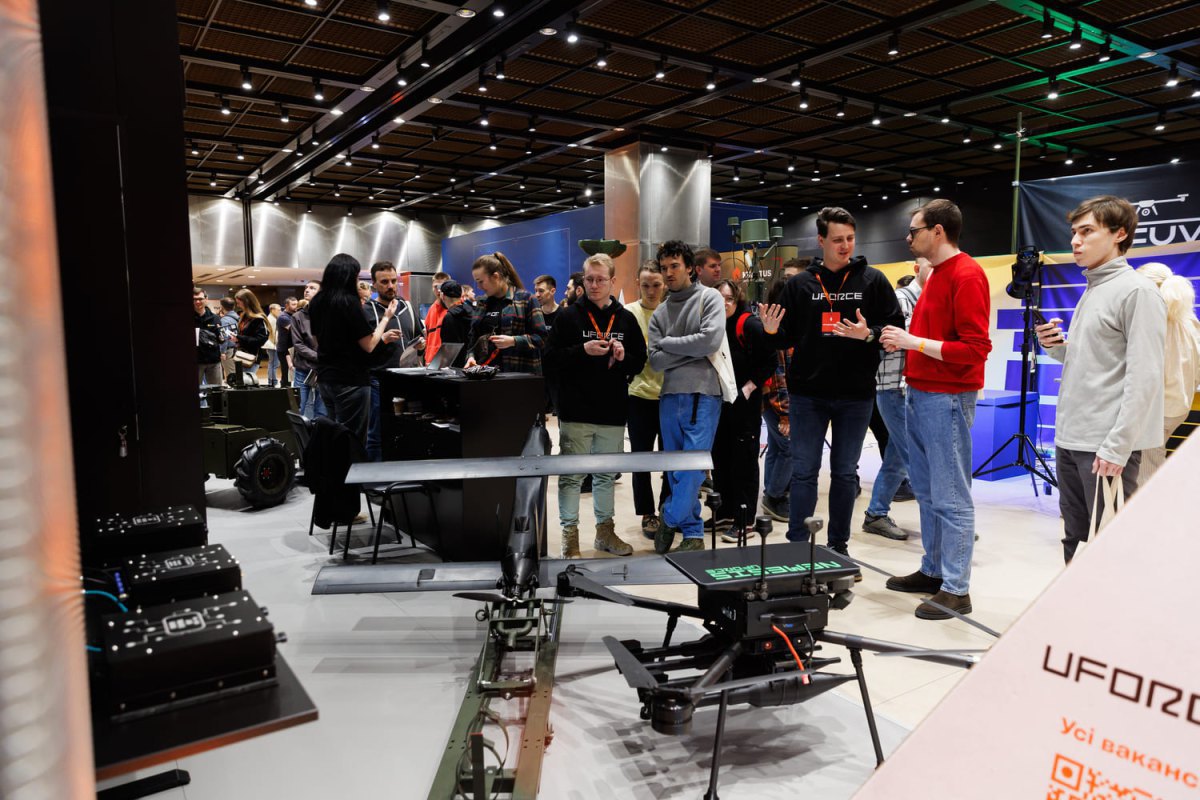
According to the job platform Work.ua, as of March, out of more than 100,000 listed vacancies, one fifth – around 20,000 – were in the category “Skilled trades and manufacturing”.
“This is the largest segment of the market by number of job offers,” the report notes.
Individual companies report varying scales of growth. Dwarf Engineering, which develops software for drones, says it has grown fivefold since 2023.
Frontline Robotics, a manufacturer of bomber drones and robotic turrets, reports tenfold growth – in 2025 alone.
Companies currently have dozens of open positions: Dwarf Engineering – 30, Frontline Robotics – 40, BlueBird Tech – 90.
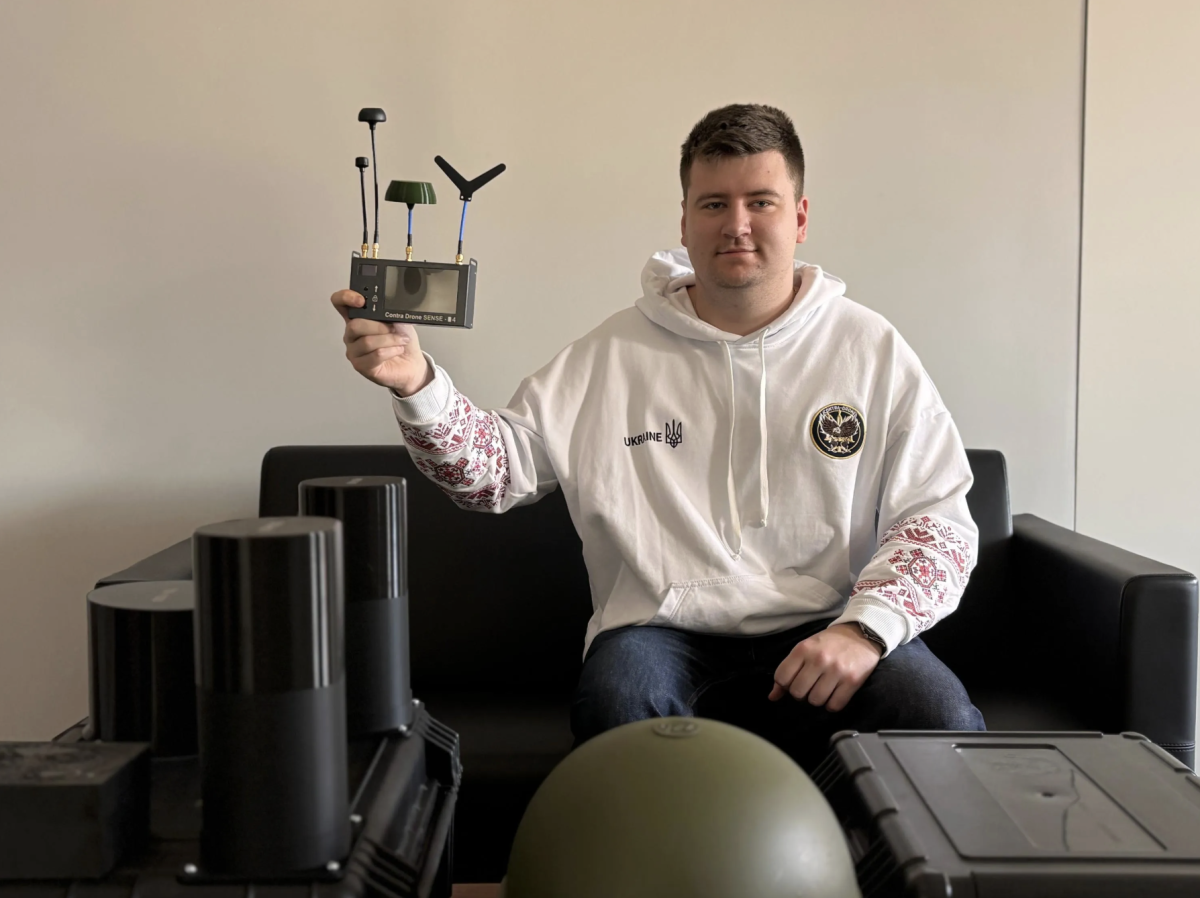
Tymofiy Yurkov, co-founder of Contra Drone, shares a similar view to Lobby X. According to him, the current market is in a state of a “constant engineering race”.
“At the beginning of the invasion, we were solving problems here and now through improvisation. But by 2023-2024, it became clear that without systematic engineering, scaling was impossible. We entered this process in September 2023 – at a time when there was an acute shortage of electronic warfare systems. And from day one, we ran into a lack of qualified radio engineers,” Yurkov said.
Who is in short supply
According to Yurkov, the situation has only worsened since then.
“Technologies are evolving, but the number of people capable of properly implementing and scaling them is not growing at the same pace,” he explains.
Based on responses from companies and data from Lobby X, the shortage looks roughly as follows:
- Engineering roles — mentioned by all respondents without exception: embedded developers (writing code for specific hardware), hardware engineers (building the physical product), design engineers, especially senior-level specialists, Altium experts (PCB design software), PCB layout engineers, and microcontroller programmers;
- Highly specialised roles — highlighted in particular by Contra Drone and Lobby X: radio engineers who understand electromagnetic environments, DSP specialists (digital signal processing), antenna systems engineers, and UAV integration specialists;
- Production roles — according to Lobby X: process engineers, quality engineers, and specialists in scaling manufacturing.
Lobby X stresses that the shortage is not only quantitative but also qualitative.
“It is difficult to find strong specialists in areas such as defence product management, business development, and business analytics — people who understand technology, the market, and the specifics of working with government or military institutions at the same time. There is also demand for roles related to procurement, logistics and supply chains,” the agency says.
Dwarf Engineering also highlights a shortage in managerial roles: “Top talent is usually well known in the market and gets headhunted immediately after leaving a previous job.”
Why there is a shortage
The first reason is that education is not keeping pace with the market.
“Demand for engineering specialisations has not increased — and that is the biggest problem. The gap between the number of graduates and the number of specialists required is largest precisely in engineering and hardware,” explains Kseniya Semenova, President of the Kyiv Aviation Institute.

In her view, when choosing a future career, applicants — or rather their parents — still tend to look towards IT.
“It was the same before: there was already a boom, and our society caught up with that trend only two or three years later. The highest salaries are now in hardware, but young people — or rather their parents, mostly mothers — still tend to steer their children into IT. That’s what they remember as a good option,” Semenova says.
Regarding the shortage of embedded developers, Air3F notes that compared to mainstream IT before the full-scale invasion, this field was “niche and less attractive”.
“As a result, the number of such specialists gradually declined, with many moving into more mainstream and better-paid areas. At the same time, demand for them has now surged, while supply has remained limited, creating a significant shortage in the market. It will take time for supply to catch up with the current level of demand,” the company says.
The second reason is that there are simply too few specialists available.
“Today, it’s easier to train a strong engineer than to find one on the market. Some people have left the country, some work for foreign companies, and some have already been absorbed by Ukrainian players,” explains Tymofiy Yurkov of Contra Drone.
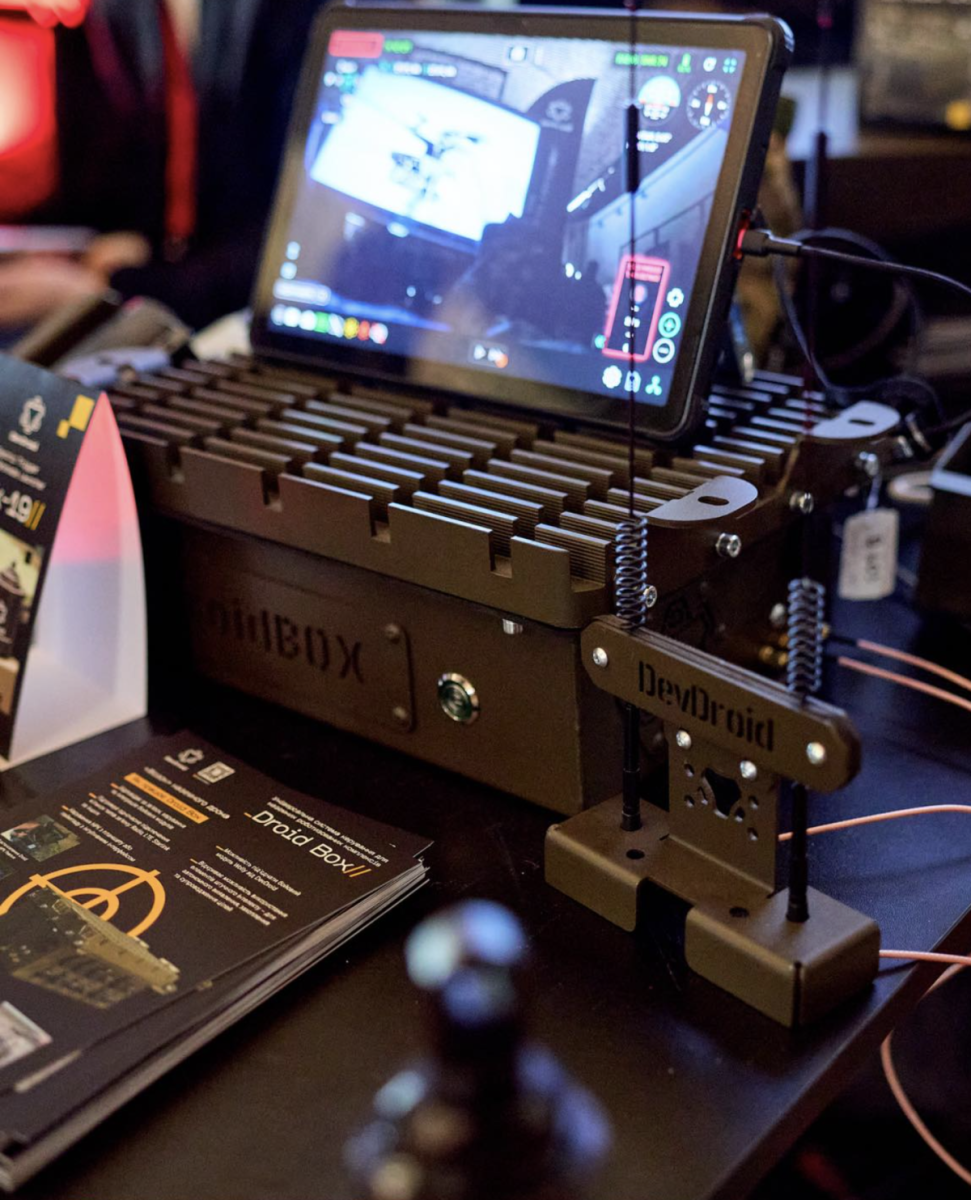
At DevDroid, the focus is mainly on mid-level and senior specialists.
Dwarf also notes that multidisciplinary specialists often come from narrow fields — such as aviation — which is why they are quickly snapped up.
Beyond specific roles, the demographic situation also plays a part. The 18-25 age group, which should be entering the sector, consists of those born in the 1990s, when Ukraine’s birth rate halved over a decade — from 657,000 in 1990 to 376,000 in 2001.
As for age distribution, the core of the workforce is mostly people aged 25-40, according to Lobby X.
“At the same time, there is also a significant share of more experienced specialists aged 40+, especially in manufacturing, engineering and management, who have relevant backgrounds from industry or related sectors,” the agency adds.
The third reason is that the specifics of the industry can deter or confuse potential candidates.
“One particular challenge is finding qualified managers who can operate effectively under uncertainty, rapid change and constant feedback from the front line. Such experience is currently limited in the market,” DevDroid notes.
Serhiy shares a similar view: a person may have experience but not understand the end user or grasp that “a deadline here is quite literally a matter of life and death.”
According to Dwarf’s observations, people also often do not fully understand where they are going: “For example, a UAV operator might ask whether the job can be done remotely.”

The fourth reason is security.
It cuts both ways: while potential candidates worry that a company could become a target for enemy attacks, manufacturers are equally concerned about whether a candidate is trustworthy and safe to work with.
How companies are trying to solve the talent shortage
“Universities provide a foundation, but not an understanding of modern warfare or the real задачі in electronic warfare or air defence. So businesses are effectively forced to build their own schools and bridge this gap,” says Tymofiy Yurkov, commenting on the first issue.
Approaches vary. Some companies take on students and train them in-house, others cooperate with universities or educational platforms that help with reskilling.
This is the model used by the EdTech company Mate academy, which works with manufacturers and offers courses in drone assembly, recruitment, and other in-demand areas for the sector.
Within six months, around 50 graduates of the programme found jobs. One of them is Valeriya. Before moving into DefenceTech, she studied at university, taught physics and mathematics after completing her master’s degree, and worked as a Python developer.
“Retraining wasn’t difficult for me — I had a strong technical foundation from my master’s, and I already had skills in programming, maths and learning new technologies,” Valeriya says.
Ten of the programme’s graduates are veterans with combat experience. Some companies are also actively focusing on this group. Lobby X highlights internal training and the involvement of veterans as well.
“The key challenge now is not only finding people, but retaining them and helping them adapt quickly to a highly dynamic environment. That’s why companies are increasingly investing not just in recruitment, but also in training, internal processes and team development. We also see growing demand for real military (veteran) experience in the defence sector,” the agency notes.
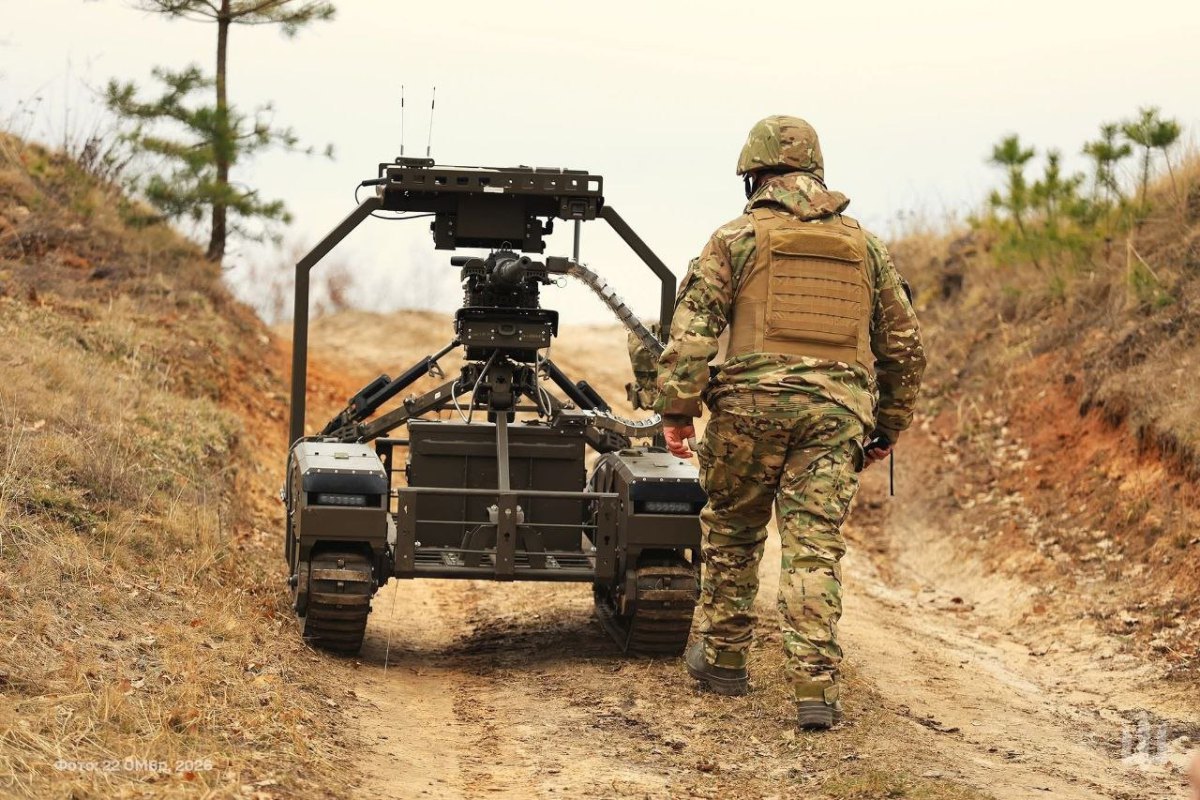
Serhiy recalls that at the start of his job he often had to look for answers on his own and sometimes encountered a lack of openness and trust from colleagues. Today, he says, the company has a full onboarding process for newcomers.
Some manufacturers are deliberately promoting technical roles among women. According to Lobby X, in 2025–2026, out of every five hires, one is a woman and four are men.
“At the same time, we see a gradual increase in the number of women, especially in product, operations, HR and analytics roles, and to some extent in engineering teams. Many women are also taking up production roles (moulders, packers, assemblers, etc.), and this trend continues,” the agency notes.
Why people go into DefenseTech
“If not in the military — then for the military.” This is a phrase DevDroid hears regularly in interviews. It neatly sums up one of the main motivations for entering the sector.
Valeriia puts it in her own words: “I decided to switch because I wanted to be useful to Ukraine. And in my case, this felt like the best option. Plus, I’m genuinely interested in what I’m doing now — these are really exciting technologies.”
Companies also highlight the impact and visibility of results. In civilian IT, there can be months or even years between writing code and seeing the outcome. In DefenseTech, it can be a matter of weeks or days.
“It’s important for specialists to see that what they do actually works — not ‘sometime in the future’, but here and now. That their product helps units and solves specific problems,” Frontline Robotics says.

Tymofiy Yurkov offers another angle: strong engineers are drawn not only by purpose, but also by complexity.
“There are no easy solutions here — it’s constant adaptation, continuous feedback from the front line, and a very fast cycle of change. For many, that’s far more interesting than a stable but predictable civilian market,” he says.
Dwarf Engineering illustrates this with a concrete example: one of their tech leads who came from IT said that after his first month, he felt the importance of his work for the first time in decades.
There is also a more pragmatic motive. BlueBird Tech puts it at the top of the list: reservation from mobilisation. For some candidates, it’s not just a benefit — it’s a prerequisite for even considering a role.
Serhiy, meanwhile, is looking for a new job because he is dissatisfied with how employees are treated at his current company.
“I realised there’s already a market, and that different companies have very different corporate cultures — how they operate, what they produce, and how they treat people,” he says.
What they actually pay
All six companies gave a similar answer: salaries are competitive with the civilian market. But the reality varies.
Yurkov notes: “We should be honest — not all companies are at that level yet, and the market is very uneven. But the stronger players have long understood that without competitive salaries and decent conditions, they simply won’t be able to build teams.”
Serhiy’s experience is telling. Earlier this year, he posted his CV on a job platform.
“For about two weeks, I was flooded with calls. In some cases, salaries were even above market level. Companies are already hunting for specialists. And if a company is profitable and scaling, its salary benchmark goes up,” he says.
But he also points to the downside: “There are still companies that say ‘we’ll see’ — and during the interview they talk about tough conditions, like you’ll be practically living at work, while salary is still ‘to be decided’.”
It’s difficult to analyse figures in detail, as most DefenseTech vacancies do not list salaries — they are offered “based on interview results”. The market still seems hesitant to speak openly about pay.
Will joint production and open exports help?
The Ukrainian Council of Defence Industry believes that initiatives such as Build with Ukraine and controlled export liberalisation could help alleviate the labour shortage, but will not quickly replace Ukrainian specialists.
“Their main effect is in creating a more stable market. If a company has international contracts, joint production, a longer order horizon and access to partner markets, it can hire more confidently, offer better pay, invest in training and retain people,” the association explains.
They do not rule out that international cooperation could attract foreign specialists to Ukraine or to joint projects in niche areas.
“However, this will not solve the problem at scale. Due to security restrictions, access to sensitive information, export controls and the specifics of battle-proven technologies, the core competencies must remain in Ukraine,” the Council emphasises.
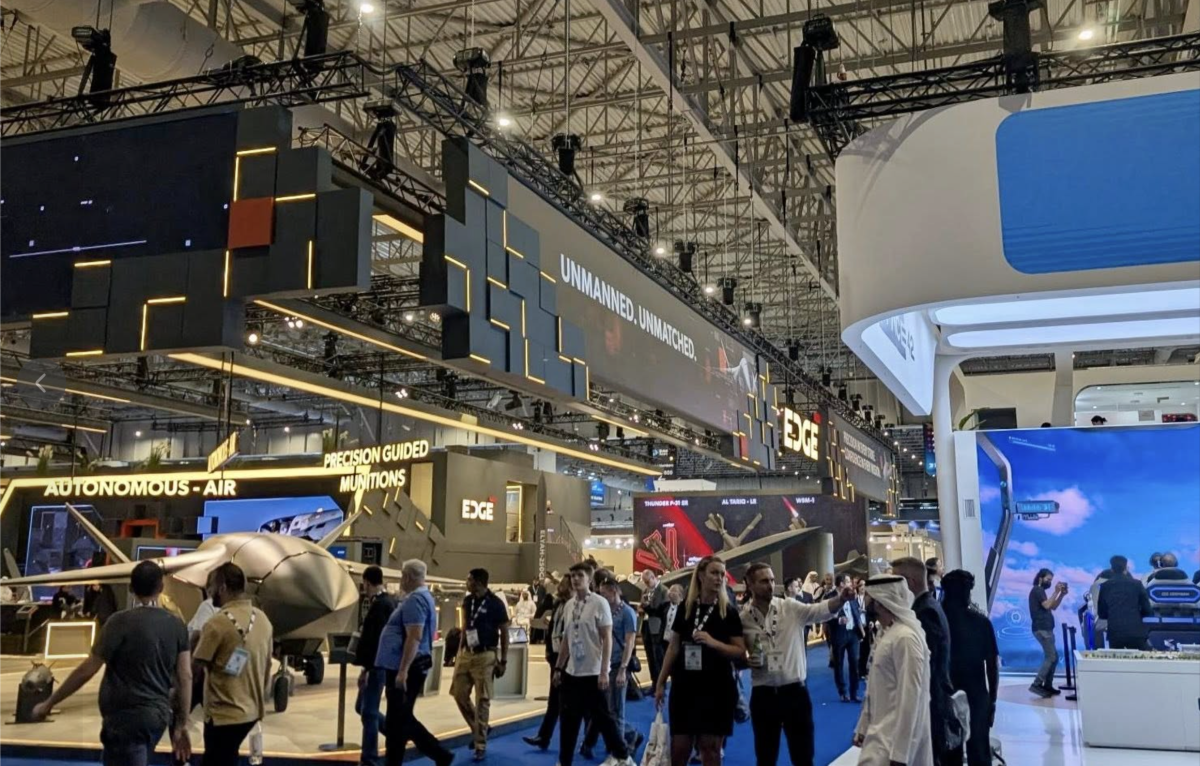
At Frontline Robotics, which launched a joint combat drone production line with Quantum-Systems in December 2025, they note that there is no direct correlation between the number of candidates and the opening of a joint venture — as the company had already been scaling before that.
“At the same time, there is an indirect positive effect. First, cooperation with international partners strengthens the employer brand, which for some candidates is an additional reason to join. Second, it creates more opportunities for team development: exchange of experience, access to different approaches and technologies,” the company explained.
However, expecting a mass influx of foreign engineers would be unrealistic — not least because European countries are facing similar talent shortages. The EU plans to retrain or upskill 600,000 people for the defence industry by 2030.
Competition for specialists there is just as intense. The Czech drone engine manufacturer PBS Group has raised salaries and is ready to hire more staff, but, according to its vice-president, there are simply not enough people on the market.
***
The Ukrainian Council of Defence Industry emphasises that workforce training is a systemic prerequisite for manufacturers.
“Demand for people will only grow. But the winners will be those companies and partner countries that are first to build a systematic approach to training talent. The scaling of the sector depends not only on the number of vacancies, but on whether it can develop engineers, production specialists and managers for serial manufacturing faster than demand for Ukrainian defence technologies grows,” the association noted.
Tymofiy Yurkov adds: “Many projects fail to scale not because of a lack of ideas, but because of a lack of teams. And if this is not addressed systemically, the industry will keep hitting a glass ceiling — regardless of how strong our technologies are.”