






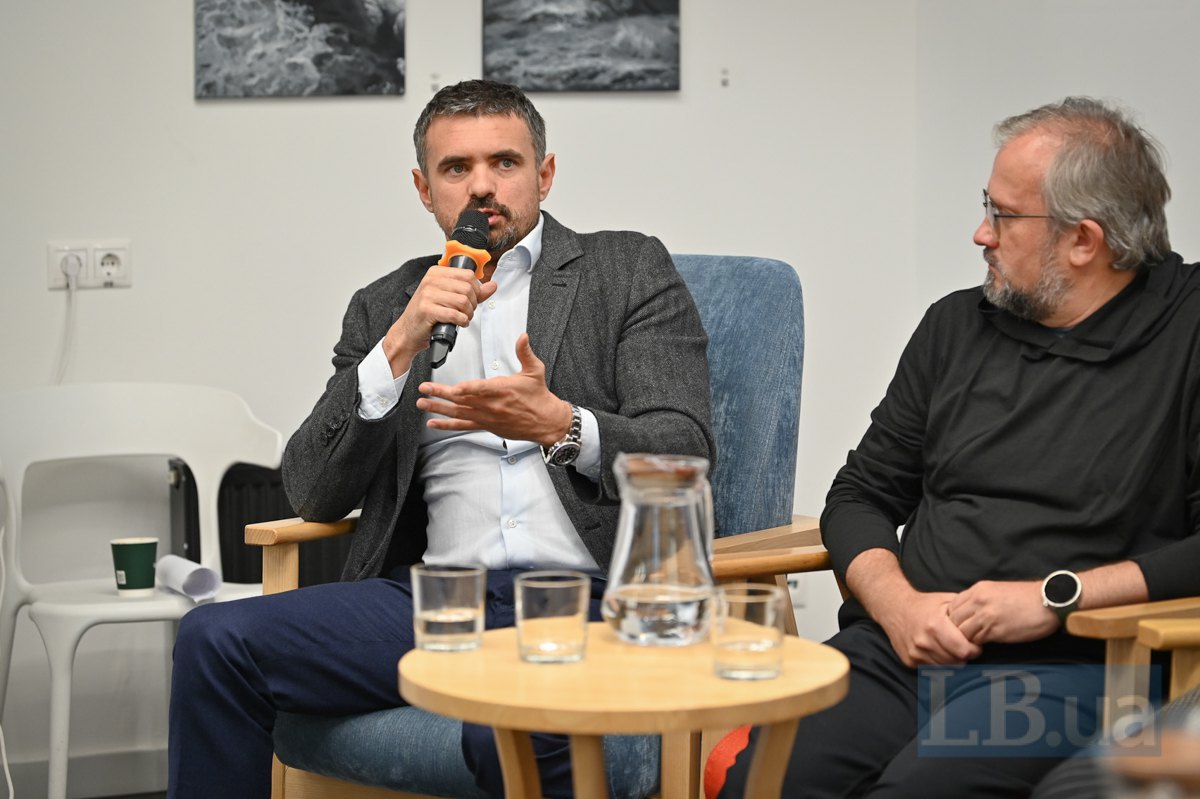
“Right now, we are a very poor and highly vulnerable country. Our main problem is security — we need to hold on. But the cost of the war should be measured not only in money, infrastructure or wages, but also in the number of people who have left and will not return to Ukraine. If even 10 people per day do not come back, that is roughly five million [in lost GDP] — it is another way of looking at this problem,” Ihor Liski said.
He stressed that the economy is the second most important factor for the country after security. Before choosing a strategy to bring Ukrainians back, it is crucial to understand the scale of the numbers involved, the businessman added.
“To calculate this, we need to realise how much it costs parents and the state to give birth to, raise and educate a child up to the age of 22, when they begin to generate added value for the economy. It amounts to hundreds of thousands of dollars,” he said. “And when decisions were made to let, say, one million young people leave in the name of fairness or free movement, did anyone calculate the economic impact?”
In his view, financial programmes aimed at encouraging Ukrainians to return — even if supported by foreign governments — would bring more benefits than risks. There are concerns that potential payments to those who left and are hesitating whether to return could create social inequality and divide society. However, Liski argues that social justice is largely an electoral concept and cannot be precisely measured, whereas the economic impact can be clearly calculated.
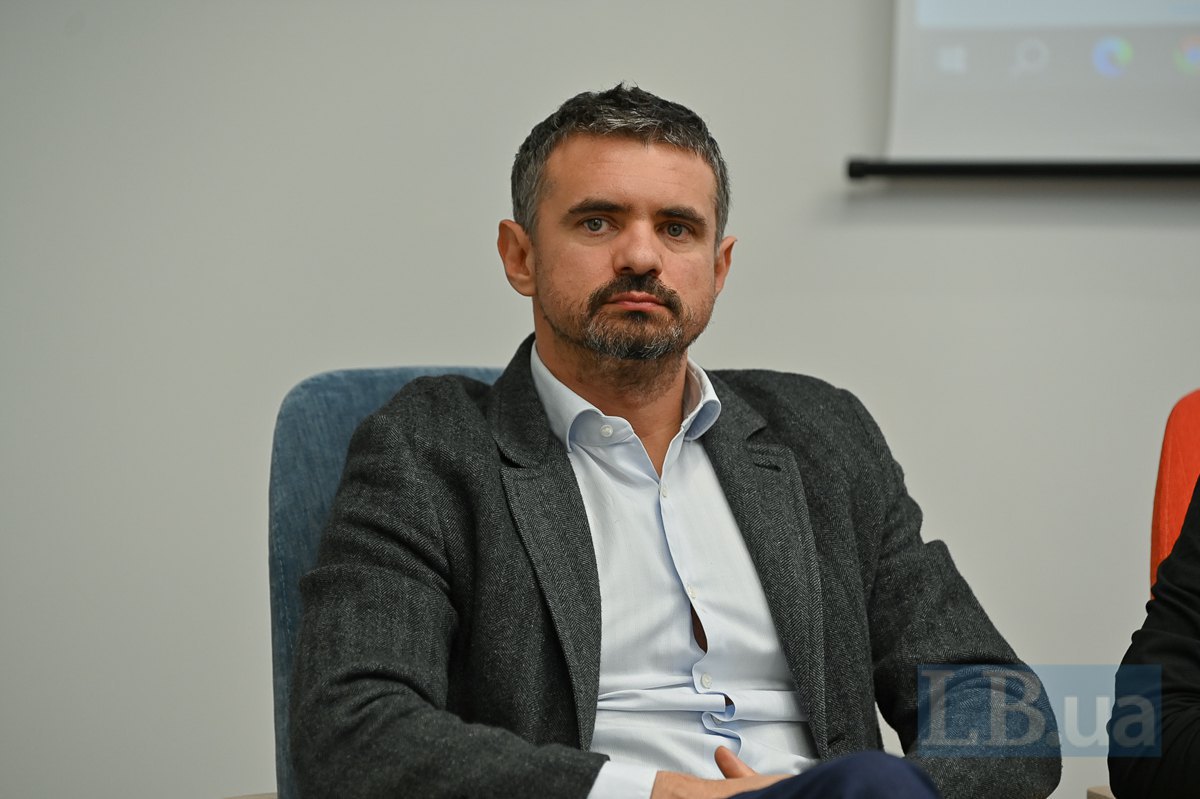
“Many people simply don’t realise what ‘a million here, a million there’ actually costs us. We must fight for every hundred thousand people, for every million. Economically, one million people means at least $50 billion in GDP annually in a peacetime economy. And once you start calculating in numbers, it becomes a completely different conversation. Is the state ready to spend one billion to gain fifty? That could be a sound strategy. Special programmes could be designed, that billion could be invested in housing initiatives. But this has to be state policy,” Ihor Liski said.
In his view, such a policy must first clearly define what kind of country Ukraine intends to build after the war.
“We have established ourselves as a state, defended our sovereignty. For the first time in many years, the Ukrainian state is in the hands of Ukrainians. We must decide our own fate. We need to understand that after the war, a different reality will emerge.
We need to ensure that after the war, the victors return and — as in the days of the Zaporizhzhya Sich — do not scatter in all directions. Some go to Europe, some join private military companies, others reunite with their families — and we are left with an empty field. We cannot afford to disperse,” he said.
To prevent this, people must have a clear vision at the level of state strategy: how the country will develop, that it will be a decent place to live for both children and adults, with jobs and no housing problems.
“We need to create a vision of the future — and then align human resources with it. First, we must declare where we are going, and only then decide whom we train. We should not expect people to figure it out on their own. They need to be shown a goal,” the businessman said.
Read alsoDenys Ulyutin: “The number of people out of work is rising sharply”
The second key issue a state programme must address is whose return it should prioritise, Ihor Liski believes.
“Without any rose-tinted glasses, we absolutely need to bring back all entrepreneurs. We have to fight for them — create additional programmes or start-up incentives. Every Ukrainian entrepreneur in Poland who creates jobs there continues to attract more Ukrainians,” he said.
“We need to fight for young people, for those with higher education, for chief engineers, site managers, chief mechanics — for everyone with the skills and mindset to rebuild this country. Perhaps some form of remote exemption from mobilisation could be considered… If we have already allowed these people to leave, we need to think about how to bring them back. Maybe they should pay a fine,” Liski added.
“Ukraine is about military technologies, artificial intelligence, and superfoods — because we are an agricultural country. For that, we need lead AI engineers, developers, IT specialists, and military professionals.
To build infrastructure, we need cheap energy — which means energy specialists. We need good roads. Fine, we can bring in Turkish contractors to build them, but we still need chief engineers… This is where social and demographic policy begins.
If we fail to present such a strategy, Ukrainians will become a resource for other countries that already have plans for us. Germany has a plan, Poland has one, as do the UK, the Netherlands, Sweden — even, frankly, the Russians have a plan for Ukrainians. But Ukraine itself still lacks one,” the businessman said.
Without people, there is no economy — and without an economy, those who have left will not return, while those who remain will continue to leave. That is why, Liski insists, a state strategy for bringing Ukrainians back is needed now — even before the war ends.
Read alsoElla Libanova: “Ukraine’s population has decreased by one million over the past year”