





Repeated strikes on key facilities are the main indicator
There are plants that have already been hit by five waves of UAVs or missiles. The oil depot in Feodosia has been attacked four times. The headquarters in Sevastopol — the count is already unclear (more than ten incidents). The terminal in Primorsk has been hit three times. The oil refinery in Tuapse was struck again, where fires are still ongoing and “rain” of oil residues continues. The fibre-optic plant was hit twice, as were the workshops producing “Molniya” systems struck by “Neptune” missiles (with a 150 kg warhead). These are deliberate, planned strikes — operational-tactical depth attacks reaching up to 2,000 km, with reconnaissance and follow-up strikes.
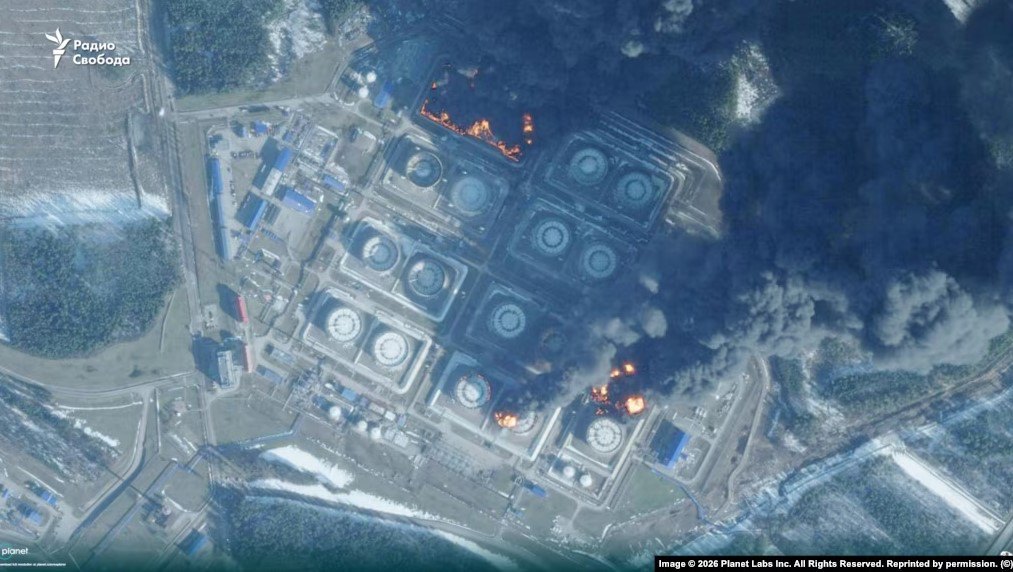
This is not only due to the growing number of medium- and long-range UAVs, but also because the adversary is running increasingly short of air-defence missiles. And not just for the S-300 systems, whose production cycle takes 7–8 months, but also for Pantsir systems.
The EU, represented by Belgium, found 15 decommissioned Gepard systems for Ukraine, refurbished and repainted them, sent them to Israel’s Elbit Systems — and just like that, 15 self-propelled units with a rate of fire of 1,100 rounds per minute were added. They are supplied with ammunition by Rheinmetall and undergo maintenance in the EU when needed.
Russia, meanwhile, has Iran as a partner, which itself has struggled with air defence (having lost its own S-300 systems), while North Korea has failed to provide effective radar systems or affordable short-range anti-aircraft artillery — instead offering 10–12 thousand troops, 170 mm Koksan guns, and millions of shells in exchange for rice and gold.
The conclusion of this equation is straightforward: Russia’s 17 million square kilometres of territory have effectively found themselves under a “porous sky”. To cover even the European part (nearly 4 million sq km) from swarms of UAVs would require hundreds of short-range systems (at least 300–400 units), which simply do not exist.
Production of a single illumination and guidance radar for the S-400 is constrained by shortages of microelectronics, which are imported via grey schemes in very limited quantities. Missiles for Pantsir systems (the 57E6, costing from $100,000 each) are being expended far faster than they can be produced by the Tula-based KBP design bureau. In addition, the Kremniy EL plant in Bryansk — which produced electronics for Pantsir systems — has been struck.
When swarms of Lyutyy UAVs (with a range of over 1,000 km) or new FP-2 drones costing $50,000–$100,000 each target oil refineries, Russian air defence is forced to expend interceptors priced from $300,000 to $1–2 million.
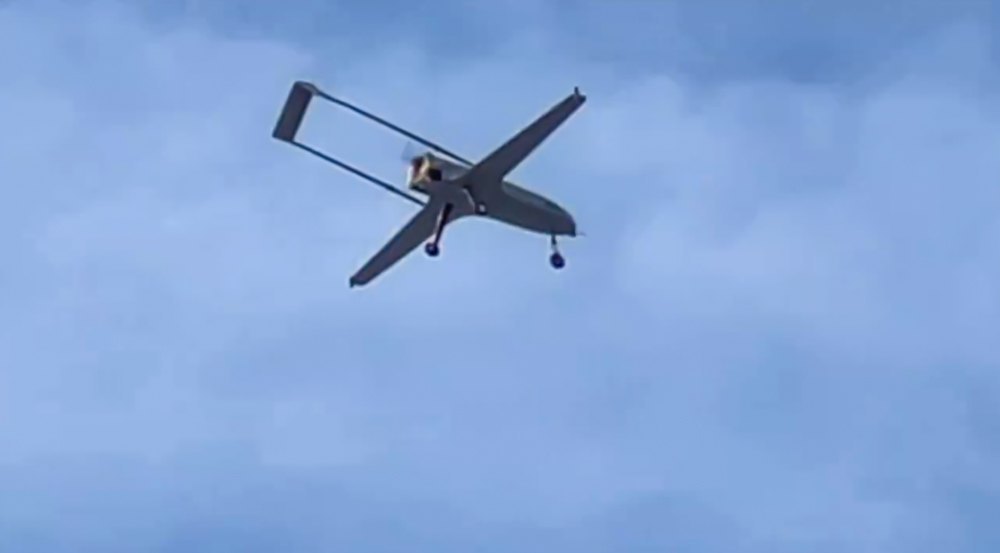
The system is scrambling to stretch a short blanket: air-defence systems are being pulled from the Far East (over 30% already withdrawn), leaving Kaliningrad, the Arctic and even parts of the front exposed just to cover key oil assets. But a cracking distillation column is not a tank in a treeline. It is massive (30–50 metres high), costs hundreds of millions of dollars, and due to sanctions, Western components now take years to arrive (delivery times have stretched to 18–24 months). Disabling it for half a year can require just one drone getting through with 50–70 kg of explosives.
That is why these facilities are burning — and will keep burning in repeated cycles. Missile stocks are being depleted, and there are simply not enough systems to cover the full operational depth. The strain is becoming visible.
Inability to protect critical sites from slow-moving drones
A strike on Donetsk in broad daylight targeted an FSB building on Universytetska Street. It was carried out using a shortened-range FP-2 drone (up to 200 km) carrying a 105 kg warhead. The attack destroyed part of the building, burned out servers and equipment, and killed and wounded more than 27 people, including 12 officers.
Judging by the timing, the strike hit during a routine morning meeting around 08:00. It was a direct and highly visible blow to those structures.
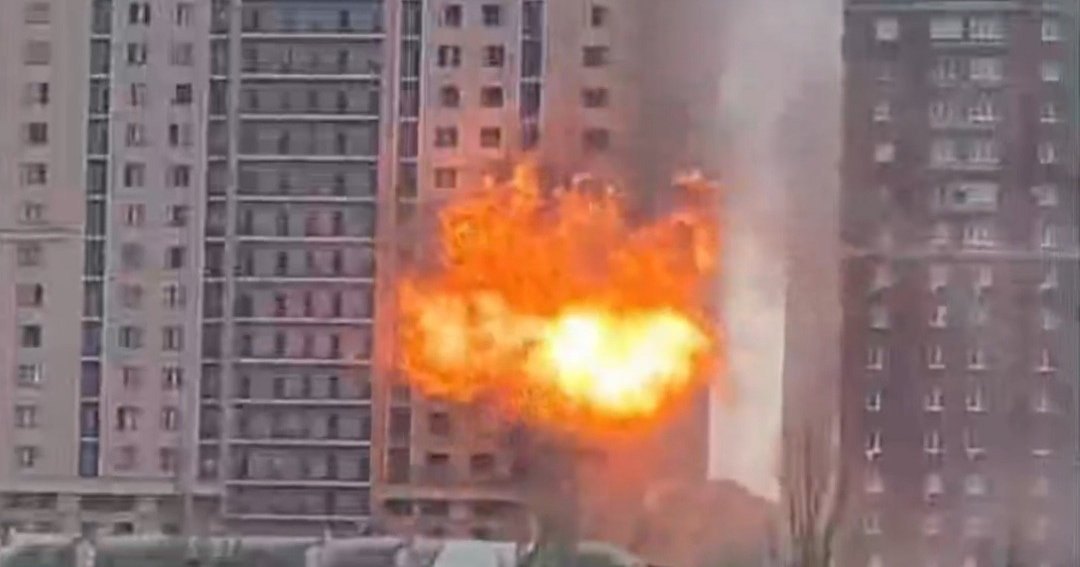
And this is a textbook, benchmark indicator of air-defence paralysis. Donetsk is not some remote provincial town beyond the Urals — it is a million-strong city that, since 2014 (for 12 years now!), has been saturated with layered air defence. In theory, it should be covered by a continuous radar dome.
Yet here comes a large drone carrying over 100 kg of explosives. It flies high (at 500–1,000 metres), brazenly, in broad daylight, without using terrain masking or relying on night-time concealment. On any functioning radar (“Pantsir”, “Tor” or S-300), such a flight profile would light up like a Christmas tree at a distance of 30–50 kilometres. It is an ideal, high-contrast target with a large radar cross-section.
And if such an aircraft calmly reaches Universytetska Street and enters a window during a morning meeting, then one of two things is true:
— there are blind spots: radars have been knocked out by previous strikes, leaving gaps over the city where heavy drones can pass through almost unhindered;
— or there is a missile shortage: operators can see the target on their screens, but pressing the trigger is pointless — the launchers are empty, missiles have been spent on decoys, and factories cannot replenish stocks fast enough.
This is a crisis, because the system has reached the stage of a patched-up coat. To protect burning oil facilities in Tuapse (which generated export revenue) or strategic bombers in Engels, air-defence coverage has been pulled in those directions, leaving even counterintelligence headquarters exposed. An elite that once felt untouchable deep in the rear has suddenly discovered that the sky above them is open — and that their own military can no longer protect them. The system has simply run out of capacity to shield its “important people.”
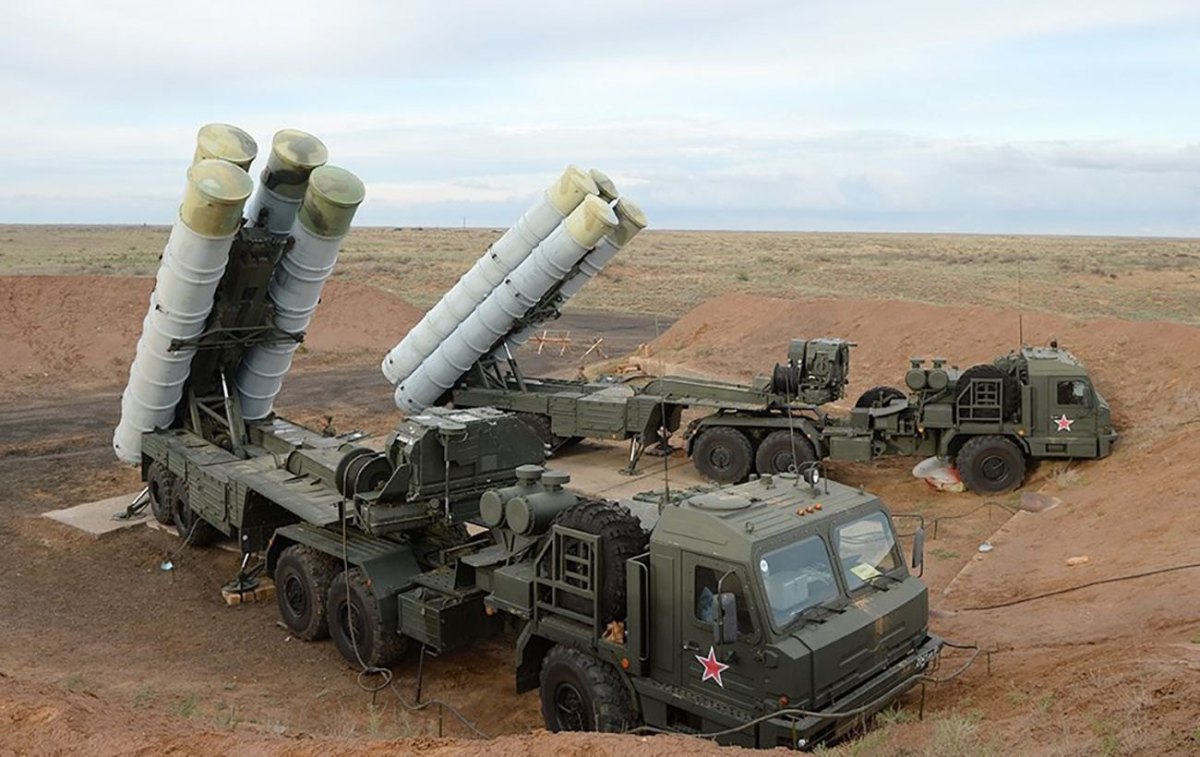
The ‘no-foreign-analogues’ myth collapses (S-400 burnout)
Crimea and frontline areas have revealed a key paradox: a system designed to control the skies cannot even protect itself. S-400 “Triumf” and S-300 divisions, each worth between $500 million and $1 billion, are being systematically destroyed by cluster ATACMS (with hundreds of submunitions), Storm Shadow missiles, and even limited strike packages — not just large drone swarms. When air defence fails to intercept a ballistic missile developed in the 1990s flying directly at its radar — that is a diagnosis. And these systems cannot be restored quickly: producing a single radar takes 6–8 months, while the component base is under heavy sanctions pressure.
As a result, Russia is losing its “umbrellas” faster than it can replace them. The list of radars destroyed or damaged weekly in Crimea by Ukrainian intelligence and security services is already extensive.
Strikes on strategic aviation airfields (such as Olenya beyond the Arctic Circle, 1,800 km away) and industrial facilities in Tatarstan (1,200 km) come almost as an afterthought.
This is a disgrace with no analogy in military history. Drones the size of light aircraft (based on the A-22 platform or Lyutyy, with a wingspan of up to seven metres) are flying for 12–15 hours over Russian territory. A distance of 1,500 kilometres. At speeds of 150–200 km/h. They hum like lawnmowers. They cross dozens of regions, flying over bases, cities and highways. There is a mountain of video footage — and no one can do anything about it.
For comparison, during a recent attack on Dnipro, air defence systems were active, even though two out of around twenty drones broke through and hit residential buildings. In Russia’s case, there are entire areas with no effective coverage.
This points to a long-standing issue: Russia does not have a continuous radar field. Coverage is patchy — concentrated around Moscow, key facilities and select bases (covering perhaps 10–15% of territory), while vast gaps of hundreds of kilometres remain in between. The much-touted layered defence has turned out to be a fragmented line.
“How are you doing, successors?” — asks Mathias Rust.
“Just the way you liked it back in the Soviet days,” the Russians reply.
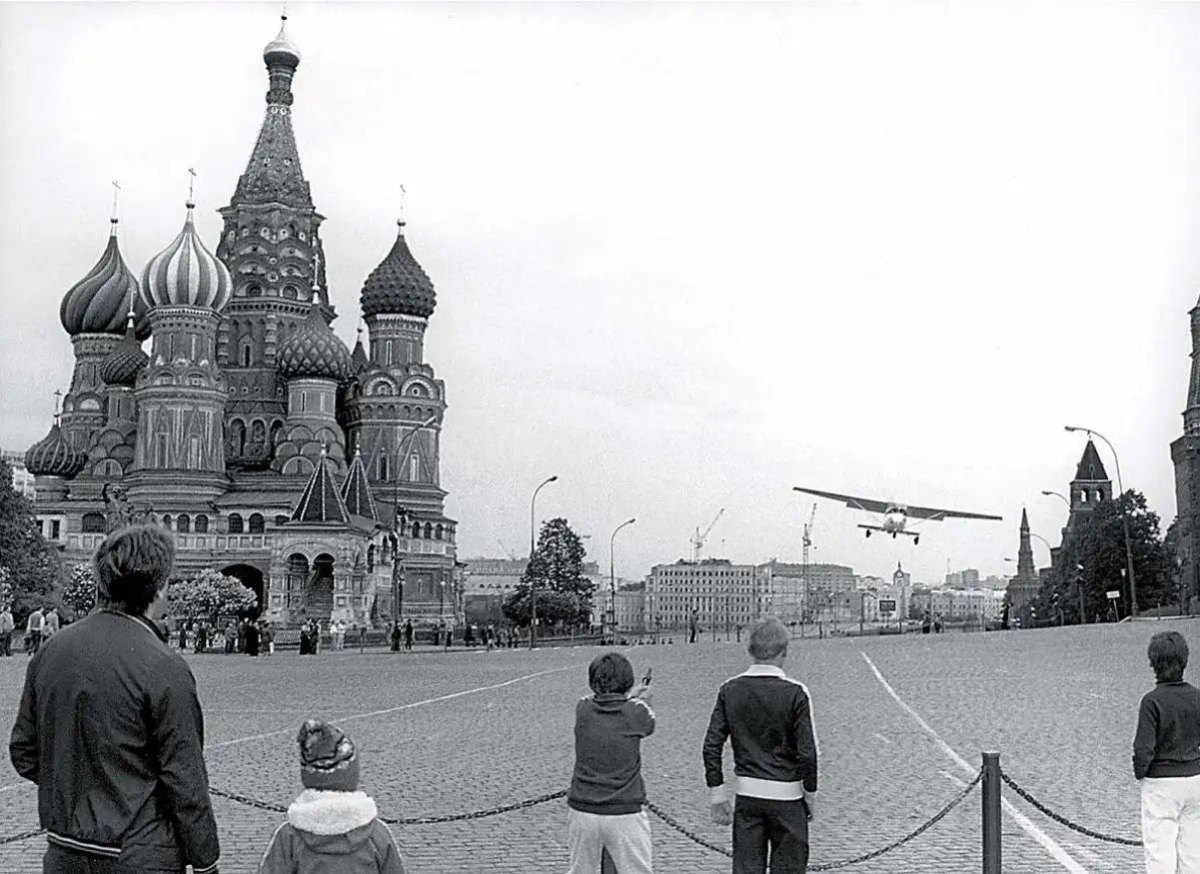
All of this forms a clear, coherent picture: Russia’s air defence has turned into a sieve. And the more they try to plug these holes, the more the patched-up coat tears elsewhere. While they take months to shift towards drone interceptors — given their corrupt defence ministry and procurement system — the cost for them keeps rising. Much like Rurik once imposed a heavy price on the Pechenegs.