






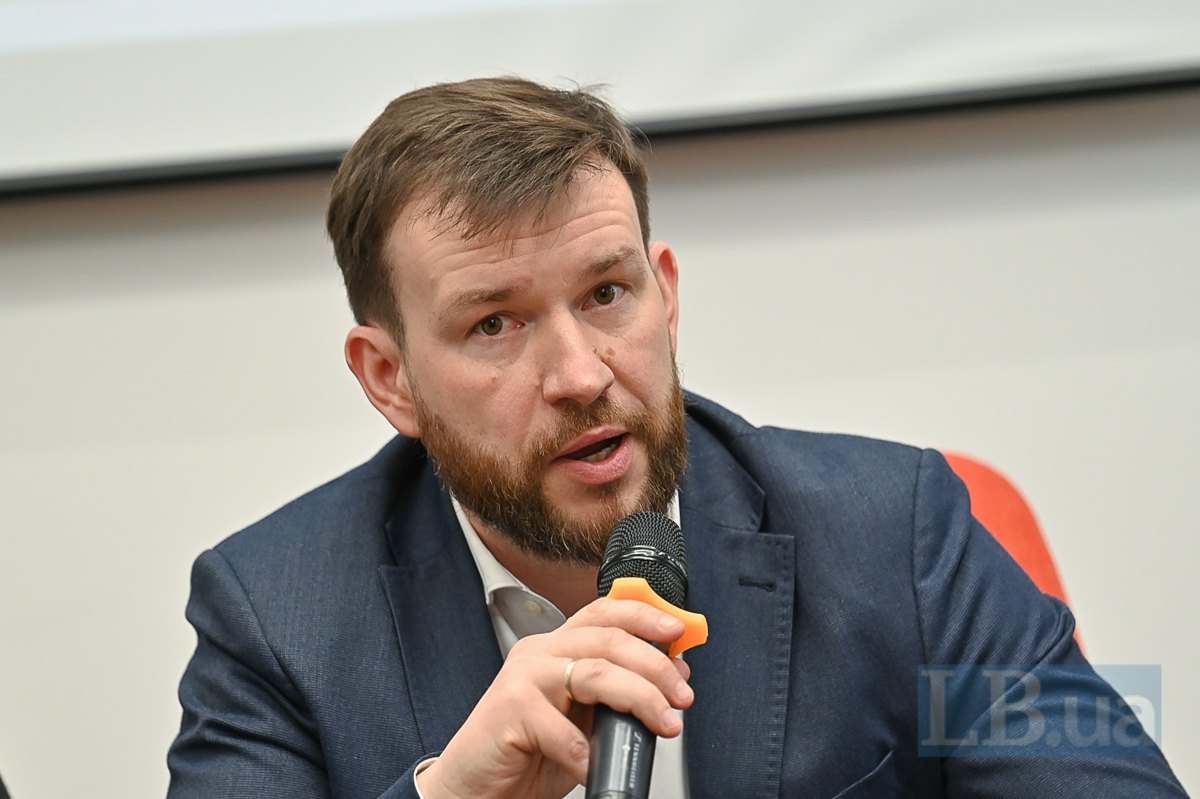
“Let’s take a look at the overall picture in the country,” suggests Denys Ulyutin, Minister of Social Policy, Family and Unity. “We are seeing an increase in the number of families consisting of one adult and one or more children. These families are extremely vulnerable to any change: illness, job loss, relocation. They automatically fall into the vulnerable category.”
The second category of vulnerable families, the minister continues, consists of two adults and a dependant. Consequently, only one is in work, as the other takes on a caregiving role due to the lack of sufficient care services in local communities or at the state level. This, too, represents a significant loss for the labour market.
“The third element,” Ulyutin also notes, “is families, particularly young ones, who spend almost all their income on food, housing, and medicines. And the number of such families is growing. They lack the resources for self-development, further education, upskilling, or retraining. From the labour market’s perspective, this is also a problem.”
The fourth element, Ulyutin adds, is the large and steadily growing number of people for whom social benefits are the sole source of income. In other words, benefits are shifting from a supplementary role to becoming the primary source of income.
“And when this process becomes permanent, we lose these people to the economy. The economy becomes highly vulnerable. These individuals become dependent on social policy changes or state guidelines. At present, we have a situation where the number of unemployed people or dependants is increasing at a catastrophic rate relative to those who are in work,” the minister notes.
Ulyutin then cites the following figures: 13 million Ukrainians are individual recipients of various social benefits, 9.2 million receive old-age pensions, and a further one million receive other types of pension payments.
In his view, Ukraine must urgently review its social policy and move away from the paternalism that has been entrenched over the past 30 years.
“As Minister of Social Policy, I believe that social benefits cannot be open-ended. They must provide an opportunity for individuals to become self-sufficient and return to the economy,” notes Denys Ulyutin. It is not the case, he adds, that social protection for “Chornobyl victims” — the only such group, incidentally — is enshrined in the Constitution.
Ulyutin also stresses that approaches to the labour market must be overhauled in order to draw as many people as possible into economic activity.
“Today, the only asset of interest to employers is young people of working age who are ready to generate GDP. They do not consider the social dimension, because that is the state’s responsibility. ‘As an employer, I hire staff, create a product with them, sell that product, pay taxes, and the state uses those taxes to fulfil its obligations,’ the minister notes. However, the labour market contains significant reserves that are not being utilised to their full potential. As an example, Denys Ulyutin cites a meeting with employers on the employment of people with disabilities, at which businesses showed little willingness to engage this workforce.
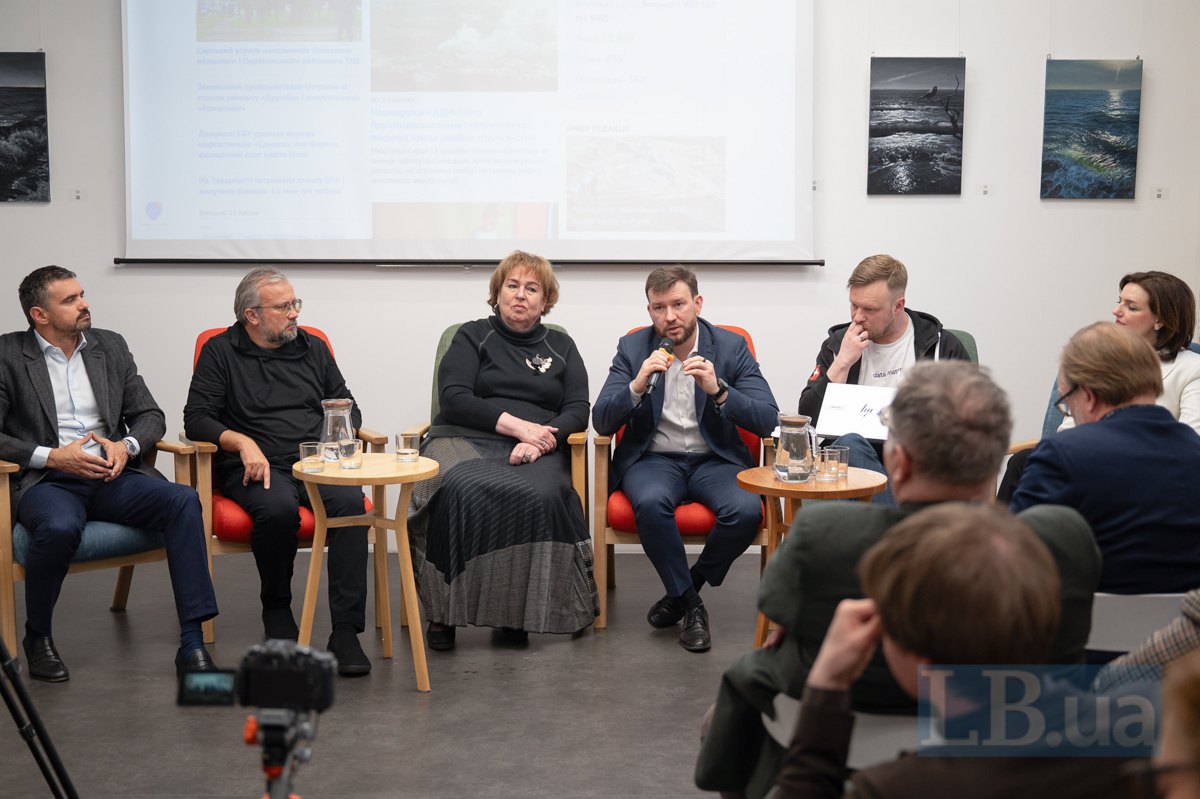
The same applies to employment opportunities for older people.
“There are regions, mainly those near the front line, where young people have left, leaving behind predominantly older residents. They are capable of working and are both able and willing to do so. However, the structure and the system itself are designed in such a way that they are not regarded as sufficiently economically active participants in the labour market. We must also address this issue,” the minister added.
Furthermore, in his view, Ukraine should move away from online learning as far as security conditions allow — not so much from a quality perspective as from an economic one. This would enable a significant number of people who are currently required to remain at home with their children to return to work.
The Ministry of Social Policy is currently seeking to reintegrate people into the labour market as soon as possible after the birth of a child.
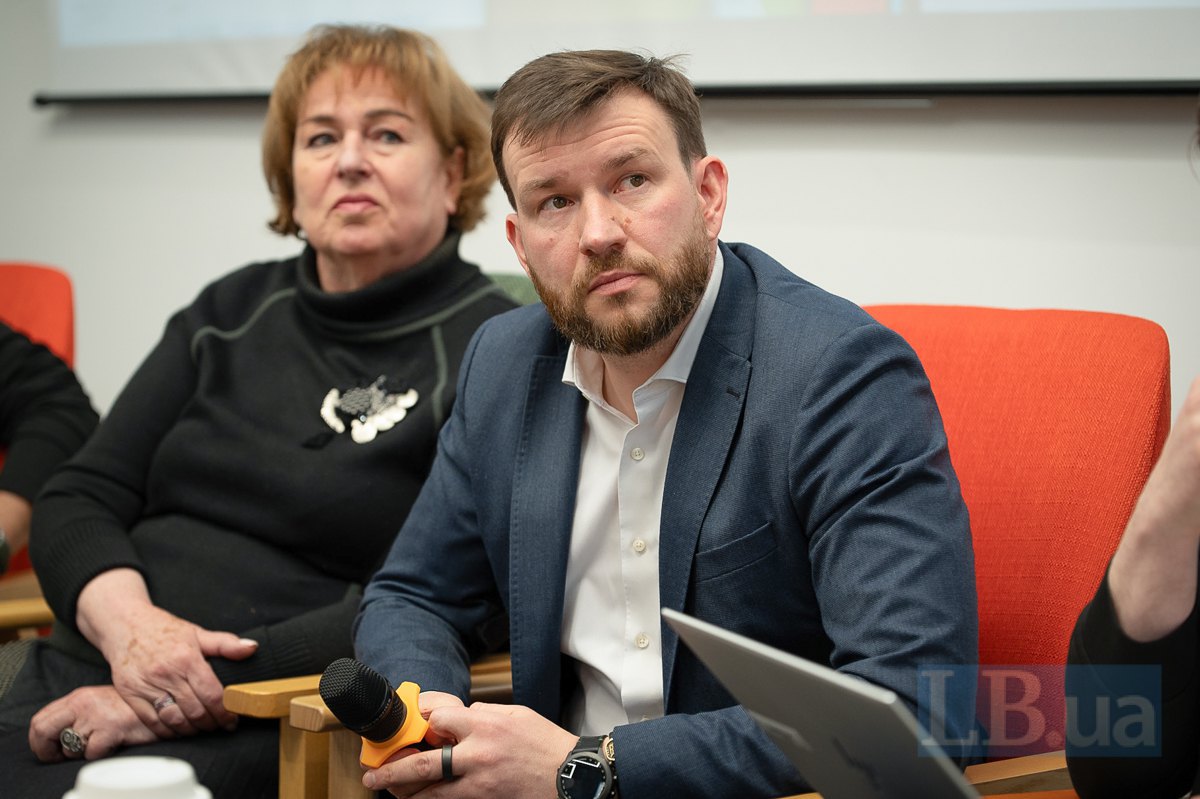
“We are introducing childcare services and funding them, but have received no response. We are creating demand, yet see no supply. The market is unwilling to provide it. We are accustomed to operating in a grey area of the market.
…As of today, we have 8,000 applications for ‘eYasla’ (a support programme for parents returning to full-time work. — Ed.). In effect, we have 8,000 people with the means and willingness to pay for childcare services. Have these 8,000 offers appeared on the market? No, they have not. And we have many such cases,” Ulyutin added, citing another example.
In his view, once the war ends or a sustained ceasefire is achieved, up to 2 million Ukrainians will be ready to return to the country. However, this will depend on the readiness of communities to receive them, the minister adds.
For those abroad, internally displaced persons (IDPs), and even immigrants, should the state decide to involve them, the set of criteria and requirements is essentially the same, noted Denys Ulyutin: security, access to housing, employment, care services, and infrastructure. People will compare their current living conditions with those they would have upon returning. Therefore, Ulyutin is convinced that, in encouraging Ukrainians to return, the focus — particularly in cooperation with international partners — should not be on individual support, but on supporting communities.
The minister also believes that the opening of Unity Centres abroad plays an important role, as they will provide Ukrainians with both pre-consular services and comprehensive information about the possibility of returning home. The first Unity Centre has opened in Germany, where the largest number of Ukrainians currently reside (up to 1.3 million), with further centres planned in the Czech Republic, Poland, and Sweden.
The Minister of Social Policy has categorically rejected the idea of offering financial incentives to emigrants to return to Ukraine, a proposal that is periodically raised in the public sphere. In his view, this would further destabilise the already fragile situation, polarise society, and create potential conflict between the 6 million who have left the country and the 4.2 million internally displaced persons who were forced to leave their homes but remained in Ukraine.
“As soon as we start dividing people along such lines, it will inevitably lead to significant internal tension,” Ulyutin emphasises. However, he believes that community development benefits everyone. It can foster a sense of hope and confidence in the future — without which, Denys Ulyutin is convinced, the decline in the birth rate cannot be reversed, and challenges related to migration and the labour force cannot be resolved, regardless of state policy.