




The demographic crisis is worsening
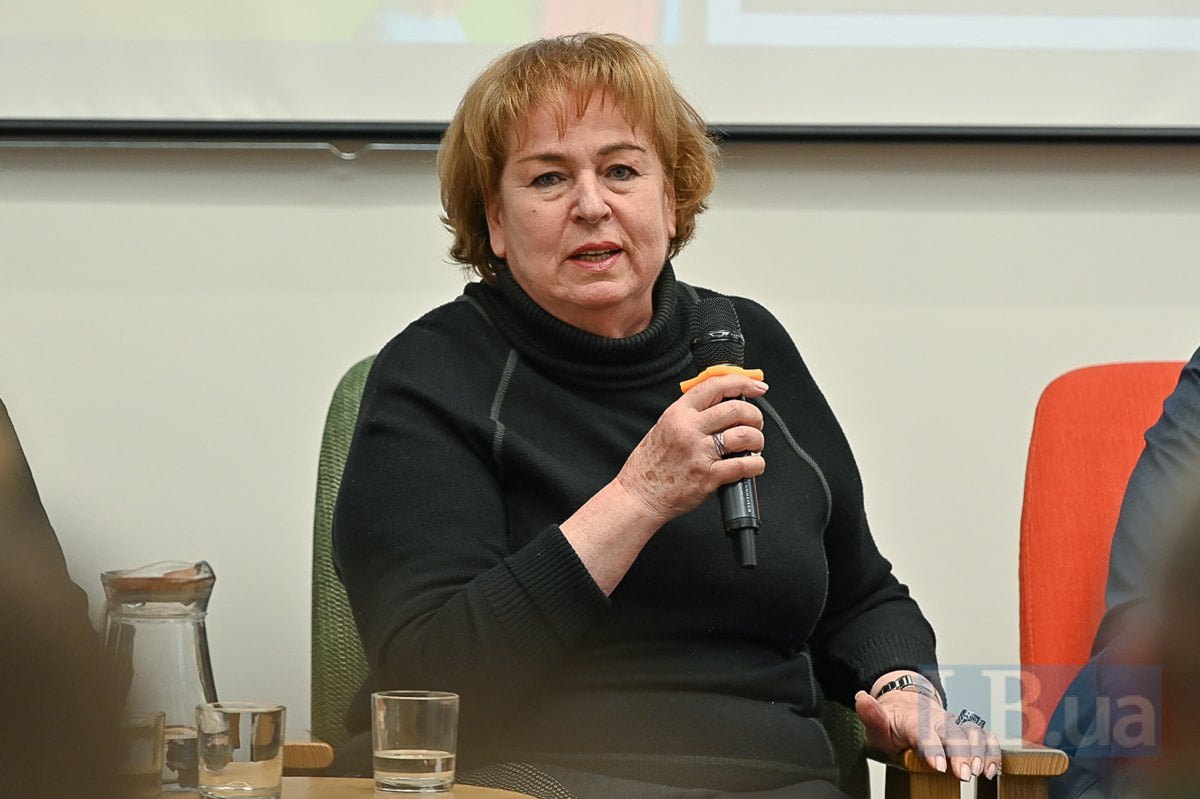
As of early 2026, 29 million Ukrainians live in territory controlled by Ukraine. This is almost a million fewer than last year, according to Ella Libanova, Director of the M. V. Ptukha Institute of Demography and Social Studies at the National Academy of Sciences of Ukraine. She describes this decline as natural — it has been ongoing since 1993, but has been exacerbated by the war and migration.
“People are dying; what do you expect?” asks Libanova. “The population is ageing: people are dying, but there is no one to replace them. The war has compounded the situation — there are even fewer births, and the natural decline has accelerated.
Many people have left — mainly in the first half of 2022. No more than a million of them have returned.”
According to Eurostat, as of February 2026, there were 4.4 million Ukrainians in EU countries. Another 700,000 or so are scattered across other countries. Moreover, the number of emigrants from Ukraine is continuing to increase slightly, notes Ella Libanova.
Each month of the war’s active phase reduces the number of people likely to return, as they settle abroad. If at least a third of the more than 5 million Ukrainians currently living abroad were to return, says the researcher, that would be an excellent outcome.
“But there is another very worrying issue. We are facing a second wave of emigration once martial law is lifted. It is mainly young women with children who have left. If families have remained intact and the woman has settled abroad, there is a very high likelihood that it will not be the women who return, but rather the men who will go to join them.
Another troubling statistic is that over 70% of women aged 25 and over have a university degree. This is because it was mainly urban residents who left: women from Kharkiv and Kyiv, where educational attainment is higher. We are not merely losing people — we are losing highly skilled, educated individuals. As you understand, if a woman has higher education, her husband most likely does too. If she is, say, 30 years old, then he is most likely around 35. This makes the situation particularly concerning. But it is what it is,” says the director of the Institute of Demography and Social Studies, assessing the prospects.
Statistics show that in 2025, according to the Ministry of Justice, 485,290 deaths were registered in Ukraine, compared with 495,089 in 2024. The decline in mortality, notes Arsen Makarchuk, Head of the State Statistics Service, is occurring solely due to the shrinking population.
At the same time, the birth rate is almost three times lower than the mortality rate: 168,778 in 2025 compared with 273,000 in 2021. In other words, over four years, the number of newborns has fallen from 7.3 per 1,000 women to fewer than six.
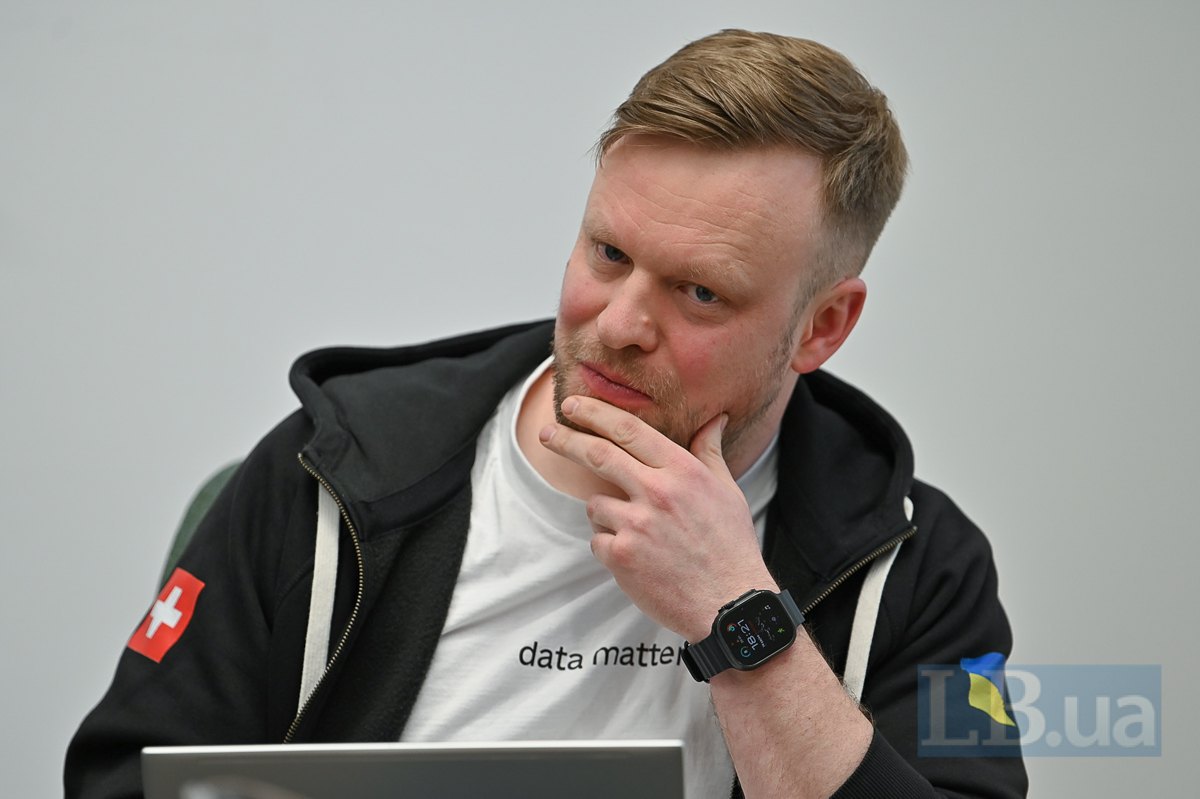
“Our birth rate is falling steadily, and this is a very negative demographic signal, the consequences of which will be felt by us, our children and our grandchildren — just as Ukrainian demographics are still feeling the consequences of the Second World War,” says Makarchuk.
As the birth rate declines, the number of schoolchildren is falling accordingly, he adds.
“In 2022, we had 322,000 first-year pupils across Ukraine; by 2025/2026, that figure had fallen to 252,000. This is not due to emigration — it reflects demographic trends. These figures are directly proportional to the number of births in 2015 and 2019,” added the Head of the State Statistics Service.
However, all current data used by Ukraine is based on information from mobile operators and other private providers, as well as derived indicators describing demographic processes, notes Arsen Makarchuk. Only a census — which the country has not conducted for 25 years and will not conduct until at least two years after the war — will reveal the true picture (and Minister of Social Policy Denys Ulyutin, for example, believes the population may now be no more than 25 million). This is linked to the ‘second’ waves of migration described by Ella Libanova, and even potential third waves, explains the Head of the State Statistics Service: families will be reuniting both in Ukraine and abroad, while people will continue changing jobs and places of residence given the vast number of displaced persons.
“So, we will only be able to accurately assess what is happening in the country no sooner than two years after the end of hostilities. However, there is already sufficient data to make an objective assessment of the situation,” the head of the State Statistics Service concludes.
What is happening to the labour market against the backdrop of demographic trends
To put it simply, the picture is far from encouraging, notes Denys Ulyutin, Minister of Social Policy, Family and Unity. According to him, the number of families in Ukraine consisting of a single adult and a child (or several children) is rising; there are households with two adults where one is dependent — meaning only one person is able to work, as the other provides care; families that spend almost all their income on food, medicine and housing, with no resources left for education or personal development; and those whose sole source of income is social benefits.
All of these groups, the minister emphasises, fall into the vulnerable category and are effectively excluded from the labour market.
“When this trend becomes entrenched, we lose these people to the economy. The economy itself becomes increasingly vulnerable, while these individuals become dependent on social support mechanisms. At present, we are witnessing a situation in which the number of unemployed people and dependants is rising at a catastrophic rate relative to those in work,” the minister notes.
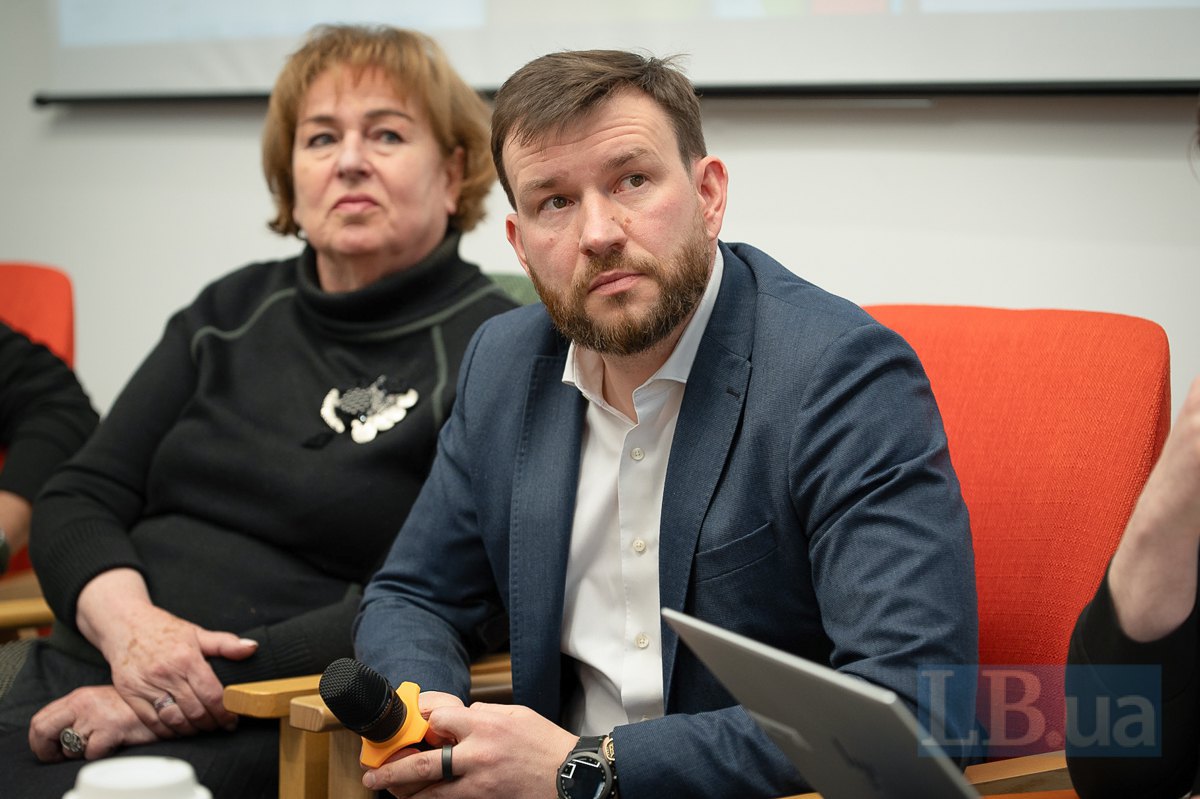
Denys Ulyutin states that there are currently 13 million unique recipients of various social benefits in the country, alongside 10.2 million pension recipients (9.2 million of whom receive old-age pensions, with a further million receiving other types of pension payments).
In his view, this indicates that Ukraine’s social policy requires a fundamental overhaul, moving away from the paternalistic model that has prevailed for 30 years and instead integrating as many people as possible into the labour market.
“As Minister of Social Policy, I believe that social benefits cannot be open-ended. They must provide an opportunity for individuals to become self-sufficient and return to the economy,” notes Denys Ulyutin. Social benefits should serve a supportive function rather than becoming the sole source of income, he adds.
At the same time, Denys Ulyutin emphasises that the labour market itself must also evolve, as it continues to view y oung people of working age as its only valuable asset, leaving the social dimension almost entirely to the state.
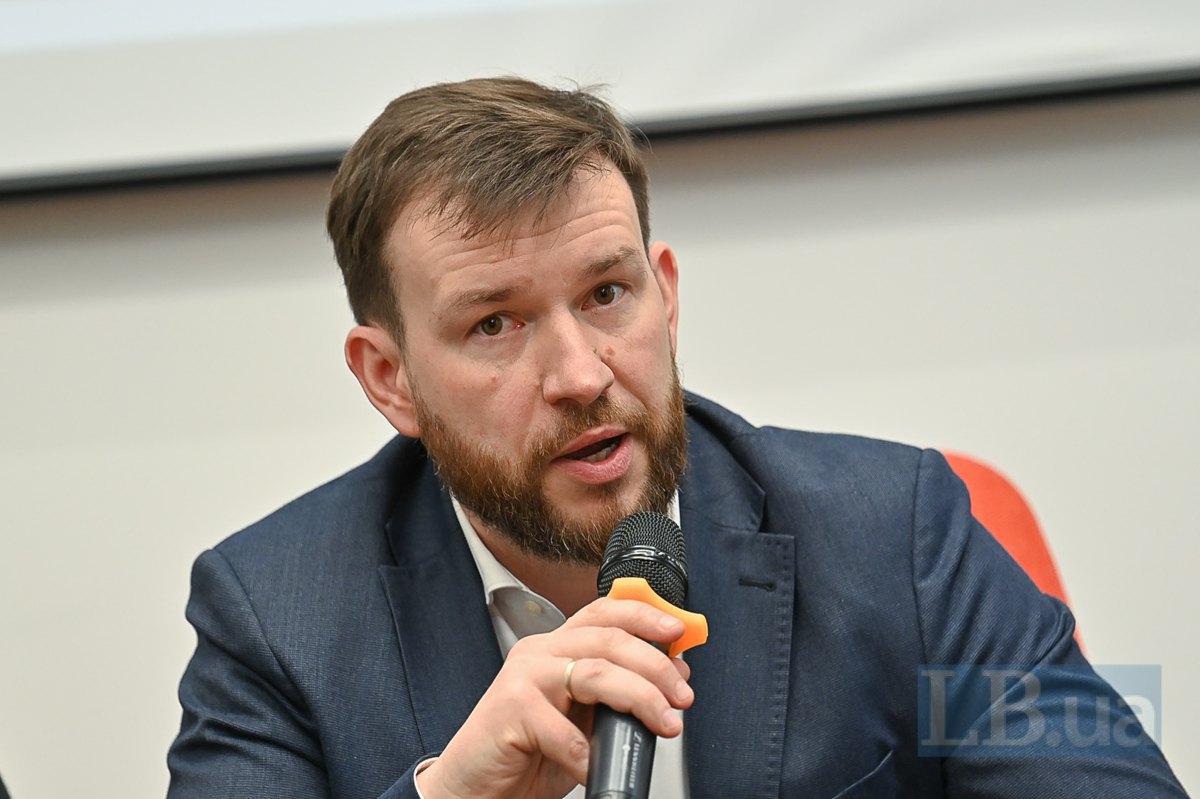
In particular, the Ministry of Social Policy is currently working with employers to facilitate the employment of people with disabilities, but, according to the minister, the business sector has so far shown little inclination to make use of this resource.
The same applies to older people, adds Ulyutin. “There are regions, mainly those near the front line, where young people have left, and mostly older people remain. They can work, and they can do so well, and they want to. But the structure and the system itself are designed in such a way that we do not consider them sufficiently economically active participants in this market,” he added.
Furthermore, the Ministry of Social Policy, says Denis Ulyutin, is trying to get people back into the labour market as soon as possible after the birth of a child. It is implementing a support programme for parents returning to full-time work — eYasla (a monthly allowance of 8,000 hryvnyas for childcare) — but there are no job offers on the market, the minister notes.
This is despite the fact that the labour market shortage stands at least 2 million people, according to figures cited by Arsen Makarchuk, head of the State Statistics Service. At least that many social security contributors have been missing from the labour market since the start of the full-scale invasion, he notes.
Given this ratio of pensioners to the total population (10:29), Ukraine’s ‘silver economy’ — a global trend focusing services on people of retirement age — should be booming, added Tetyana Salnikova, director of the All-Ukrainian Pension Fund Administrator and an expert on funded pensions. But this is not the case in Ukraine — for this to happen, we have too little effective demand in this segment.
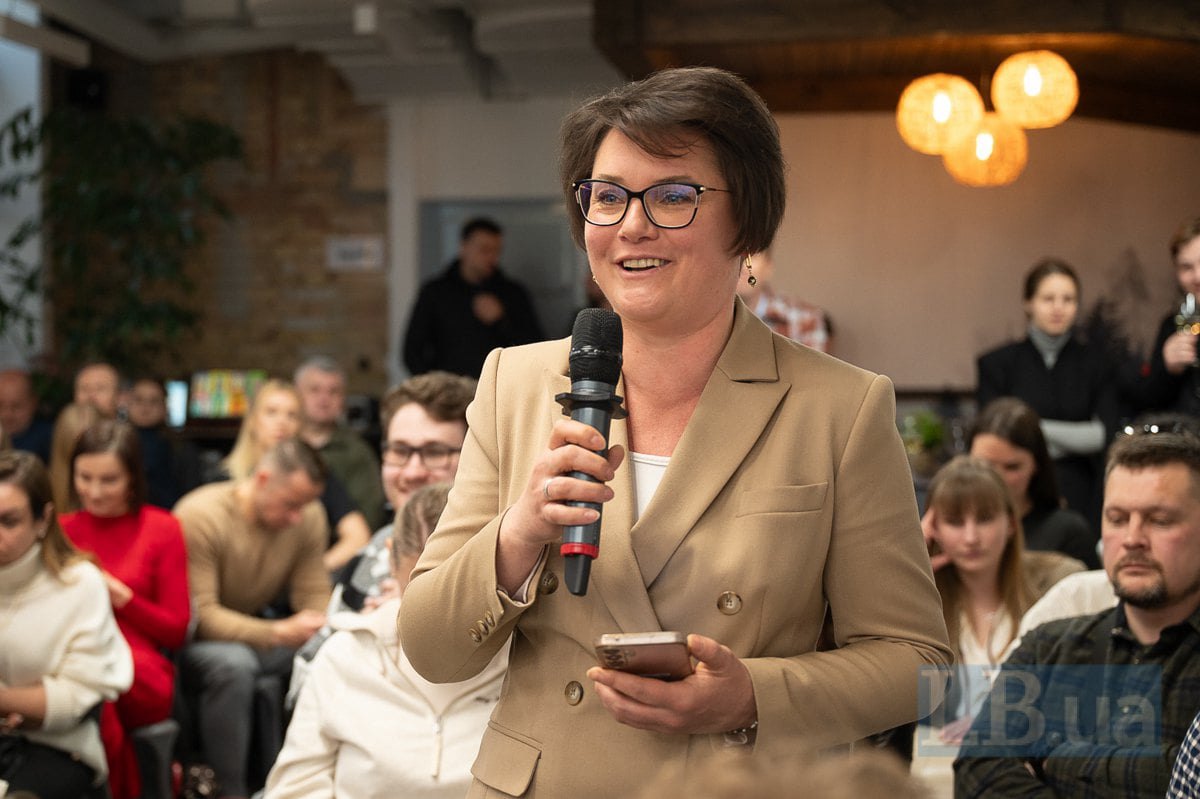
“We will only be able to sort out the pension system,” adds Ella Libanova, director of the Institute for Demography and Social Research, “when everyone is paid a declared salary”.
“There is no other way. If we continue to have the level of undeclared income that we have today, we will never be able to pay people a decent pension. If there are no decent pensions, there will be no demand for goods and services for older people. Everything follows from this,” noted Ella Libanova.
War refugees: how to bring them back?
According to UN data, there are currently up to 6 million Ukrainians abroad who left following the full-scale invasion. The largest numbers are in Germany — 1.2 million, in Poland — just under a million, and in the Czech Republic — 380,000.
According to Social Policy Minister Denys Ulyutin, who cites relevant research, around 2 million of them may return. Ella Libanova believes — no more than a third. Meanwhile, Archimandrite Kyrylo Hovorun, PhD and director of the Huffington Institute in Los Angeles, estimates no more than 20%.
“I took part in a project at Georgetown University that focused on migration issues. Together with experts, including those from the UN system, we examined situations in various regions of the world. And the general conclusion is this: in situations similar to Ukraine, where the middle class leaves as a result of military conflict, the people who leave are those who can adapt to a new environment; at the point of departure, 80–90% declare that they intend to return, but afterwards 80% do not return. “These are the general average statistics across various situations,” says Kyrylo Hovorun.
And the longer the war lasts, adds Ella Libanova, the more refugees will settle into life abroad and will not consider returning. Already today, she adds, 70% of Ukrainian women in Poland are working, which suggests that they have fully integrated.
While the war continues and it is difficult for people to return physically, the Ministry of Foreign Affairs has set itself the goal of bringing them back intellectually. That is, to establish a strong and lasting connection with them to preserve Ukrainian identity, explained Deputy Minister of Foreign Affairs Maryana Betsa.
To this end, a modern electronic platform, e-Consul, has been launched so that people can access consular services remotely; a digital notary service (a platform that will allow Ukrainians to carry out certain notarial procedures via Diia); and all of Ukraine’s diplomatic missions abroad have been connected to a single State Register for obtaining extracts from certificates.
At the same time, however, the Ministry of Foreign Affairs is also working to preserve the identity of Ukrainians living abroad. To this end, as Maryana Betsa explained, a foreign language component is being introduced in schools abroad, and where possible—and where host countries do not put up much resistance—bilingual schools are being opened. Such schools exist in Tallinn and Hungary, and Ukrainian classes are available in Germany and Poland.
“Around half a million Ukrainian children are studying abroad. They integrate very quickly. And they simply forget the Ukrainian language. It is important to us that they remember it, that they know Ukrainian history and Ukrainian culture. This is about preserving identity,” emphasises Maryana Betsa.
Multiple citizenship also serves this purpose, she adds. The instrument is still new — the relevant law only came into force at the start of this year — but the Ministry of Foreign Affairs considers it a promising means of maintaining ties.
“Ukrainians abroad form a large Ukrainian community that combines two categories of Ukrainians. We do not wish to distinguish between them, but historically they are, in fact, Ukrainians living abroad — that is, in the sense of the Law of Ukraine ‘On Ukrainians Living Abroad’ — they are foreigners of ethnic Ukrainian origin. And the second category comprises displaced persons or other categories of citizens who are abroad due to the war. This represents enormous potential, because right now, during the war, they have mobilised to the fullest extent and a certain consolidation of the Ukrainian nation has taken place,” noted Maryana Betsa.
In addition, the verification and mapping of Ukrainian organisations is currently underway, the Foreign Ministry representative also explained. Diplomatic missions are already cooperating with approximately 700 verified Ukrainian organisations abroad and another 450 or so cultural and educational centres. And there are thousands of them — a group of ethnic Ukrainians who already hold citizenship of other countries but have become highly mobilised during the war, providing humanitarian aid, the Deputy Minister noted.
As Maryana Betsa points out, Ukrainians who take an active civic stance have an important voice and act as partners to the Ukrainian state in defending its interests at the international level.
“Where the government’s voice may fall short, the voice of society becomes crucial in the realm of public diplomacy. Advocacy campaigns carried out by various Ukrainian communities have shown what a great help this is in promoting Ukraine’s interests in the EU, in increasing sanctions pressure on the aggressor state, and in holding Russia to account. This is an important advocate for Ukraine,” says the Deputy Minister of Foreign Affairs.
The opening of Unity Centres abroad should also help maintain links with home, believes Minister of Social Policy, Family and Unity Denys Ulyutin. They will provide Ukrainians abroad with both pre-consular services and the fullest possible information on the possibility of returning to their homeland. The first Unity Centre has opened in Germany, where the largest number of Ukrainians currently reside (up to 1.3 million), with further centres planned in the Czech Republic, Poland and Sweden.
The question of whether refugees should be offered financial incentives to return has become a separate topic of discussion. Almost all speakers agreed that such an approach would further divide an already fragile society within the country. Moreover, the number of internally displaced persons is not much smaller than those who have gone abroad — 4.2 million — and the payments they receive from the state cannot compare to what is paid under the temporary protection schemes of European countries. Therefore, any financial incentives for refugees were deemed unacceptable from the point of view of social justice.
However, a businessman and Chairman of the Supervisory Board of EFI Group, Ihor Liski, suggested looking at the issue by setting aside electoral considerations such as social justice and focusing on the figures.
“Economically speaking, a million people represent at least 50 billion in GDP per year in a peaceful economy. And when you start looking at the figures, it becomes a completely different conversation. Is the state prepared to spend a billion to get 50? That could be a sound strategy. Special programmes could be devised; that billion could be invested in housing projects. But this must be state policy,” notes Ihor Liski.
But until such a state policy is in place, he stresses, no incentives will work.
“We have emerged as a state and defended our sovereignty. Now, for the first time in many years of history, the state of Ukraine is in the hands of Ukrainians. We must decide our own fate. We must understand that a different reality will follow the war.
So that after the war, the victors return and — as in the days of the Zaporizhzhyan Sich — do not scatter in all directions. Some went to Europe, some to the private military companies, some reunited with their families, and here an empty field remained. We must not scatter,” said Liski. To achieve this, people must have a clear picture at the level of state strategy — how the country will develop, that it will be a decent world for children and adults, with jobs and no housing problems.
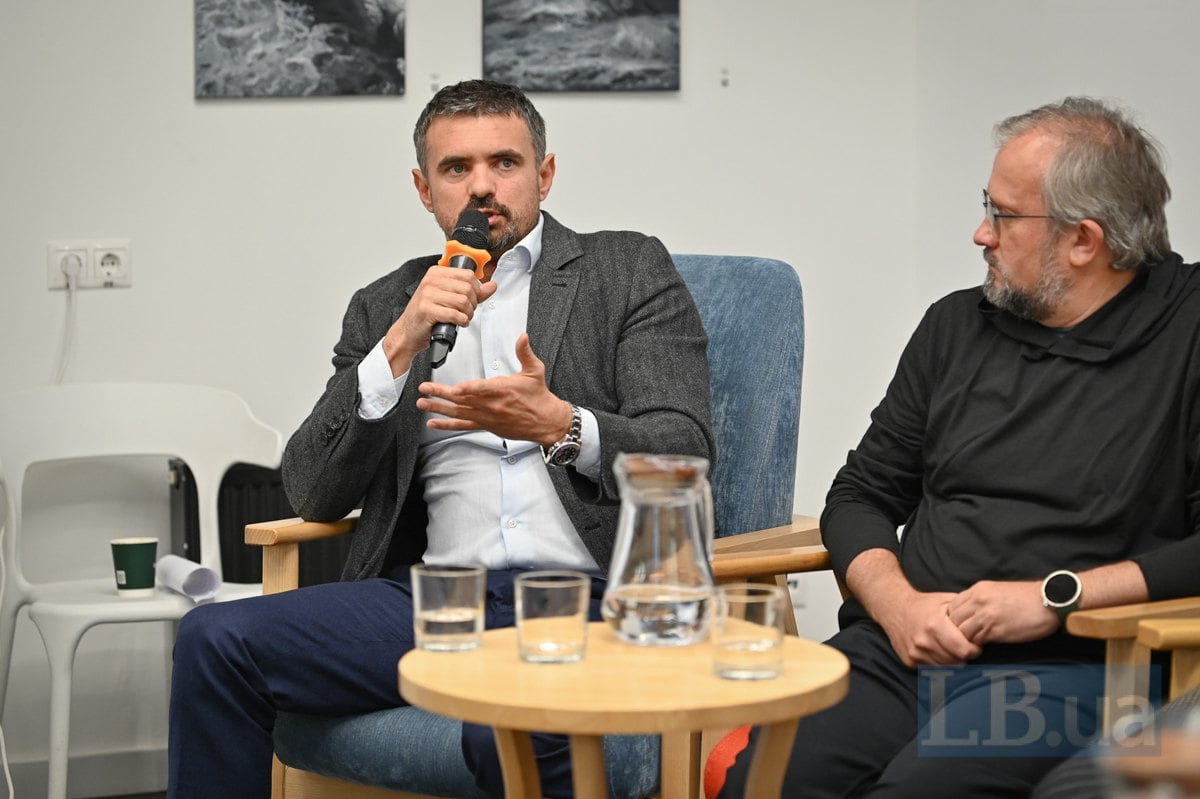
“We need to paint a picture of the world, a picture of the future, and align our human resources with that vision. We must make it clear where we are heading. We cannot expect people to figure it out for themselves. We need to show them the goal,” the businessman is convinced.
This view was also supported by the Minister of Social Policy, Family and Unity, Denys Ulyutin. Because, in reality, he adds, the set of requirements for IDPs, refugees and potential labour migrants is the same — security, access to housing, work, care services and infrastructure. Because people will compare the conditions they are in now with what they will receive upon moving. And so, Ulyutin is convinced, in the context of encouraging the return of Ukrainians, we must speak—particularly with international partners—not about individual support for those who decide to go to Ukraine, but about support for communities. So that people can see development and prospects.
Ihor Liski also believes that the state migration programme must determine who it would prioritise bringing back — those who are critically needed by the country for post-war recovery.
“We definitely need to bring back all entrepreneurs. We need to fight for them. We need to devise additional programmes or start-ups, because every one of our entrepreneurs in Poland who creates jobs there continues to bring Ukrainians over there.
We need to fight for young people, for those with higher education, for chief engineers, foremen, chief mechanics — for everyone who has a good head on their shoulders and who will rebuild this country. Perhaps we need to come up with some sort of remote booking system. … If we have somehow let these people go, we need to think about how to bring them back. Perhaps they should pay a fine,” says Ihor Liski.
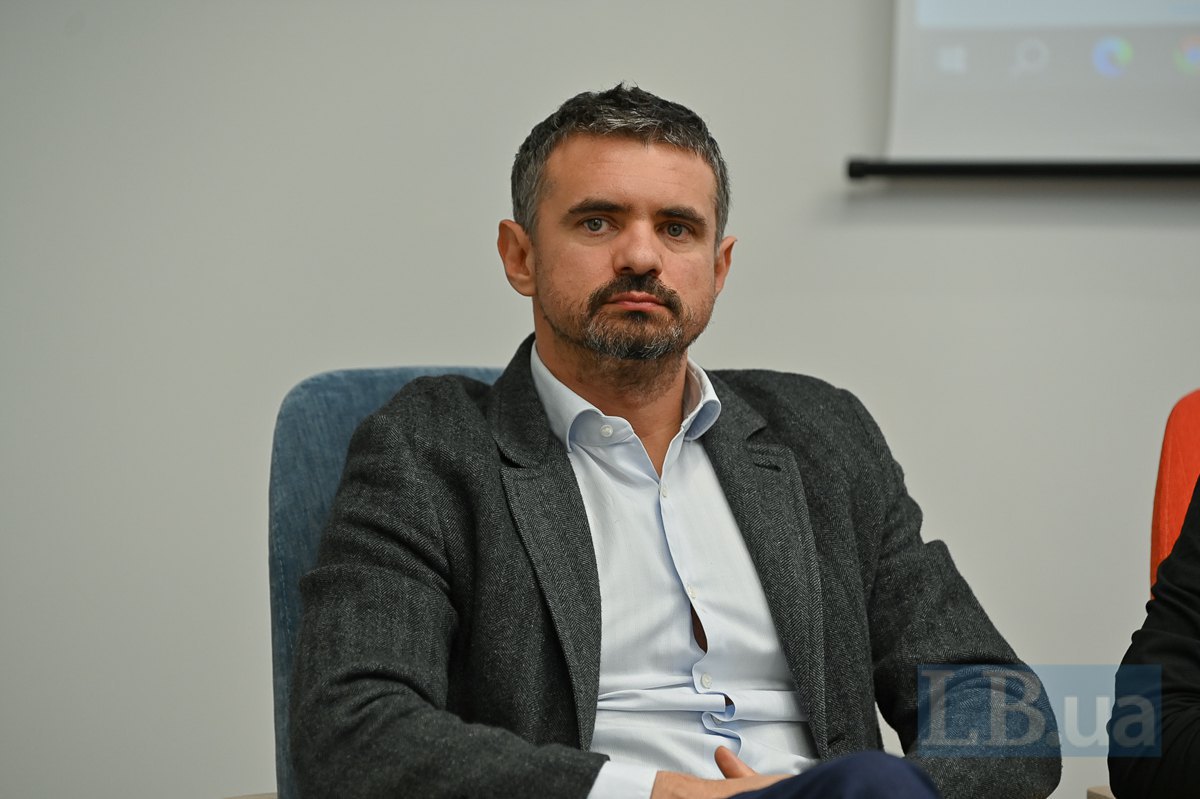
“Ukraine is all about military technology, artificial intelligence and superfoods, because we are an agrarian nation. To achieve this, we need chief AI engineers, developers, IT specialists and military personnel.
To build the infrastructure, we need cheap energy, and for that we need energy specialists. We need good roads. Fine, we’ll bring in the Turks to build them, but we need chief engineers, road builders… This is where social and demographic state policy begins,” the businessman is convinced. “If we don’t put it forward, Ukrainians will become a resource for other countries that already have a plan for us. There is a plan for Ukrainians in Germany, in Poland, in Britain, in the Netherlands, in Sweden, and even, excuse me, the Russians have a plan for us. But in Ukraine, there is no plan for Ukrainians yet.”
Without people, Liski believes, there will be no economy; without an economy, those who have left will not return, and those who have stayed will leave. That is precisely why, he insists, a state strategy for the return of Ukrainians is needed right now — even before the war ends.
This vision was also supported by Andriy Dlihach, chairman of the international business community Board, professor of economics and founder of the Advanter Group.
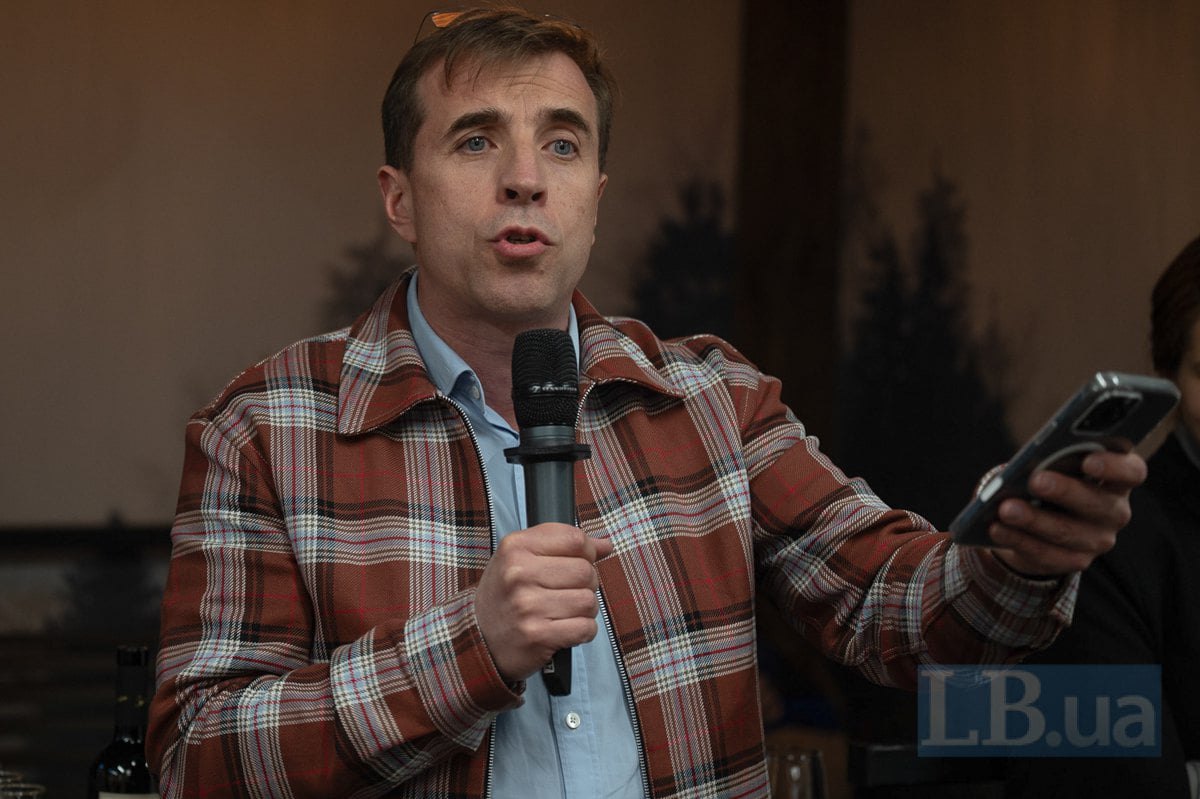
“Ukrainians aren’t planning to return to Ukraine, not because there are no nurseries or jobs. There are jobs, there are nurseries, there are schools, and there are even safe regions. I’ve just come back from Chernivtsi. There’s no one there. Why? Because there’s no bright future in sight, no sense of what lies ahead. We have no national vision — where are we heading? What should it be?” noted Dlihach.
Labour migration: not ‘if’, but ‘when’
According to Archimandrite Kyrylo Hovorun, Doctor of Philosophy and Director of the Huffington Institute, immigration to Ukraine will happen one way or another. So, it is not a question of ‘if’, but of ‘when’. But this should not be feared, says Hovorun; migration is a global phenomenon that is a normal part of human existence.
However, Ukraine will have to decide whether it will be a victim of these globalisation processes or become a participant in them, the professor asserts. He cites global migration examples — Samoa and Russia.
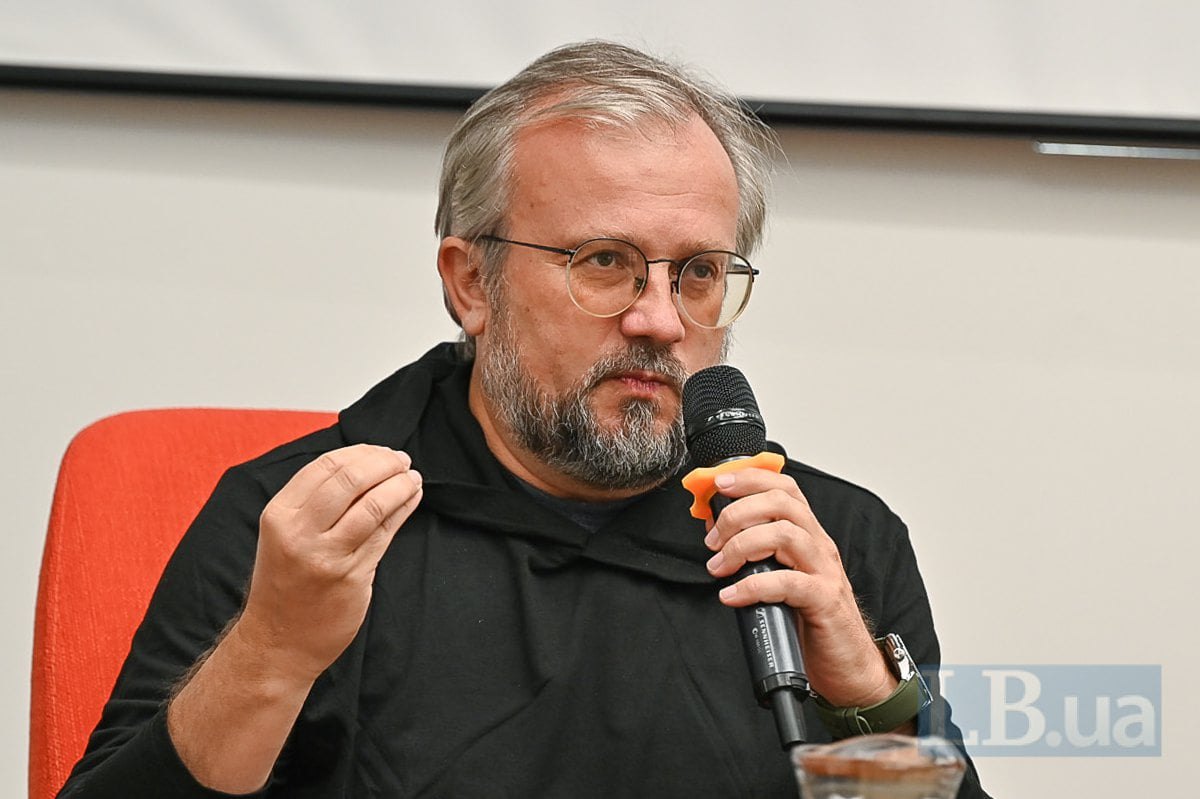
“Samoa is an archipelago that was once the cradle of Polynesian civilisation. From Samoa, people travelled thousands of kilometres by canoe to Hawaii and reached New Zealand. This was probably one of the largest migration movements in human history. Three thousand years ago, canoes carrying people from Samoa covered thousands of kilometres.
Now Samoa is divided into two parts — Western and American. And people from Western Samoa dream of getting to American Samoa, and from there moving on to Hawaii or elsewhere. Because it is difficult for them to get to American Samoa, they come to New Zealand. And now, what used to be the periphery of this vast Polynesian world — Hawaii and New Zealand — have become the subjects of new migration processes, as the former centre is now shifting to the periphery. “In other words, everything has been turned on its head. Samoa has lost the opportunity to remain a subject of migration processes, having become purely their object,” says Kyrylo Hovorun.
Russia, however, using the ideology of the ‘Russian World’, has done the opposite — it has gone from being an object to becoming a subject, he adds.
“The ‘Russian World’ is, first and foremost, a migration project. It was conceived by methodologists at Moscow State University (Shchedrovitskiy and his followers) when, following the collapse of the Soviet Union, a large number of Russians dispersed across the globe and formed a very powerful periphery, acting as a link to the centre.
From the very beginning, the methodologists decided: let’s view this periphery as our resource; from there, we will draw on their know-how, skills—particularly their adaptability—and the education they received abroad, in order to support the centre, Moscow. That was the original idea behind the ‘Russian World’.
Then, in the early 2000s, this idea shifted to the opposite. From a centrifugal process to a centripetal one. Now it is not the periphery that will be the source, the resource for supplying knowledge and skills to the centre, to Moscow, but Moscow that will direct these messages and signals and mobilise this periphery. In this way, the periphery was mobilised and weaponised, and this migration process was put at the service of Moscow,” explains Hovorun.
It was precisely by exploiting this resource—the weaponisation of migration flows—that Russia started the war, he argues, once it became a key player in these migration processes. And Ukrainians were drawn into them when they supplied resources during the Soviet era, were exploited by Russia, and are now fighting against us, emphasises the director of the Huffington Institute.
Ukraine now faces a question: will it simply supply resources to other countries, or is it capable of becoming a participant in migration processes? Because immigration will happen one way or another, emphasises Kyrylo Hovorun, and we must be prepared for it.
Labour migration policy must be approached with caution, believes Ella Libanova, director of the Institute of Demography and Social Studies, as the state must not only bring in labour but also ensure social stability.
In her view, the labour market will primarily require additional workers in blue-collar trades. And, Libanova suggests, these will be people from Bangladesh. She would not like — and she states this explicitly — for migrants to be brought in from Iraq, Iran or Syria. In any case, the researcher notes, state migration policy must include quotas and clear conditions under which this will take place. So as not to repeat Europe’s mistakes.
This point is also emphasised by Dr Kyrylo Hovorun, PhD: there must be clear criteria at the checkpoints that will allow this emigration to proceed. One such criterion, in his view, could be the adaptability of the people arriving, and their willingness to step outside their ‘ghetto’. Because if they are not ready, they will create one here. Therefore, we must immediately abandon the practice of concentrated resettlement, as was done with internally displaced persons — this approach has proven to be flawed; people simply do not integrate into society, remaining a closed community.
Furthermore, adds the director of the Huffington Institute, it is important to know the country from which the people will come and to understand them.
“Here we are talking about Bangladesh as a country whose people will come to mix cement for us. I have been to Bangladesh. I taught at the best university in Dhaka, a wonderful university. It is a very complex society and a highly educated one. The first Nobel laureate — Rabindranath Tagore — was from Bengal; he was not a Hindu. He is the Bangladeshi Taras Shevchenko, whom we know nothing about. We know nothing about Bangladesh…
Yes, there will be those who mix cement. And conditions must be created for their integration into our society. Because they will either integrate or they won’t, but they will be here all the same. And the conditions for this integration can be created through education,” says Kyrylo Hovorun.
He suggests looking at educational institutions such as the folkehøjskoler in Scandinavia (folk high schools – Ed.).
“These are colleges where no grades are given, and they are used primarily to integrate migrants into local society. Motivation comes not from grades, but from other tools designed to help people integrate into society. I have seen this in the Swedish context, and it works perfectly,” concluded Kyrylo Hovorun.
Arsen Makarchuk, Head of the State Statistics Service, believes it is important, in the context of migration policy, to pay attention to another aspect that will have an impact on the national economy.
“In statistics, the key unit of measurement is the household. This is not a single person, but a group of people who share a common household. Figuratively speaking, they share a fridge. Because, in theory, they have shared income and shared expenditure. And different members of the household may be responsible for income and expenditure. And expenditure is just as important to our country’s economy, because it involves taxes and has an indirect impact on the creation of other jobs in the service sector and in sales.
“And that is why we are not keen on our citizens leaving, living in Poland and working for us remotely, even though, it would seem, they generate a certain amount of added value here and pay social security contributions and income tax. But they do not spend money here, thereby depriving our economy of a significant portion,” says Arsen Makarchuk.
This also applies to immigrants if they are brought in as a labour force, he adds.
“These will either be short-term migrant workers who, once again, will send the money they earn here out of Ukraine, and this will have less of an impact on the country’s economy than if they were to spend it here.
Or they will bring their families and children here. In that case, the figure we are currently working with will not apply; instead, multiply it by two or three, or even more. And this must also be taken into account. That is why we are talking not only about the workforce, but about household migration,” noted the head of the State Statistics Service.