






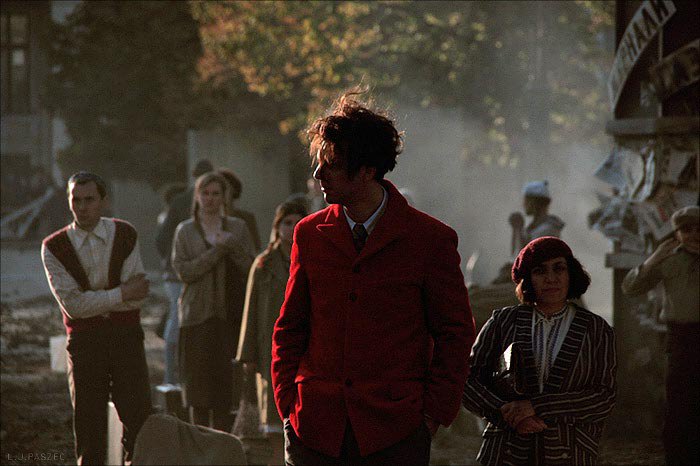
The German-French-Swedish (as listed on the festival’s website) film «DAU», with Russian links, by Russian director Ilya Khrzhanovsky, has been selected for the Venice Film Festival’s competition program, and we thought: what now, again? Again, «DAU»? But we’ve been talking about it since 2008.
It would seem that when an application arrives for a music festival, a film festival, or even a sporting competition with Russian surnames on the list of creators, it should be scrutinized with the utmost care. The production of the multi-part, multi-layered Dau is tied to numerous scandals, including ethical ones: from killing animals on camera on set to the treatment of actors and the money of Russian oligarchs directly connected to the top of Russia’s power vertical.
Despite cleaning up the credits, returning toxic money, and various attempts to whitewash its reputation, the unpleasant smell lingers. But not everyone can smell it, because entirely different selection mechanisms kick in. Money? Connections? Simple negligence by selectors? Lack of knowledge of the issue?
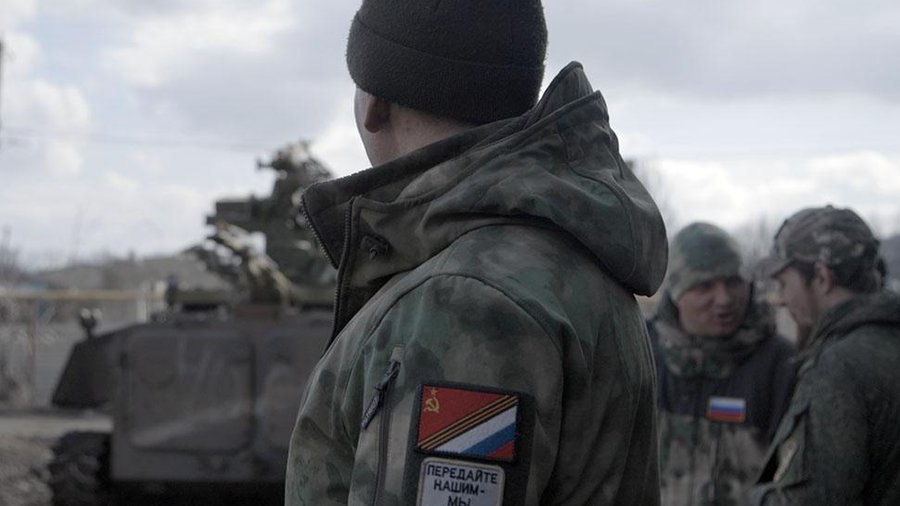
Choosing a dubious film with a Russian taint for the main competition program—and the Venice Film Festival has sinned in this way more than once; in 2024 the festival screened the documentary «Russians at War» by Russian director Anastasia Trofimova—somehow does not trigger fear of reputational losses for the festival. But Israel’s participation does. Such submissions or figures connected to Israel activate mechanisms that are not activated against dubious Russian participants.
In 2025, 1,500 representatives of Italy’s cultural sector signed a statement by the Venice4Palestine group opposing the participation of Israeli actress Gal Gadot and Scottish actor Gerard Butler in the festival. Butler had reportedly raised funds for the Israeli military in the past. The festival refused to withdraw their invitations, but neither actor travelled to Venice Lido. Italian activists counted this as a victory. The pressure worked. Pressure that, for some reason, does not work against Russia. That same year, the Russian flag flew alongside those of other participants above the festival venue.
Once again, I return to my questions. Money? Connections? Simple negligence? Lack of knowledge of the issue?
Most likely, it is a combination of factors, where one does not exclude the other but, on the contrary, reinforces it. The reputational mechanism does not seem to be a factor one can appeal to, since journalists who make gross factual errors, without corrections and without explanations, continue to write for Italian media. Politicians who were directly involved in scandals over Russian funding continue to sit in parliament—more than that, in the governing coalition, which continues to quarrel internally over support for Ukraine. The head of the Venice Art Biennale, Pietrangelo Buttafuoco, reopened the Russian pavilion without any reputational losses for himself, despite published correspondence with the Russian side, mass protests in the streets of Venice, and despite a confrontation with Italy’s Minister of Culture Alessandro Giuli and authoritative Italian voices who opposed Russia’s return to the Art Biennale. Let me remind you that the Venice Film Festival is part of the Biennale as a whole.
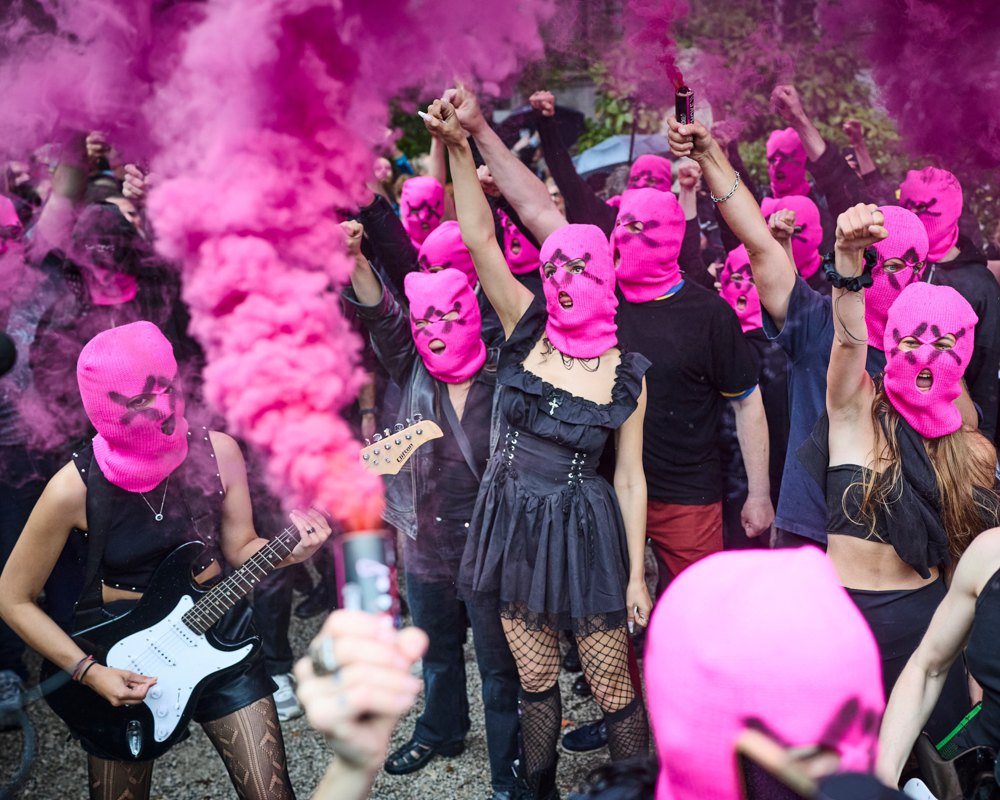
The Western world, including Italy, continues to look at Russia and understand it through the prism of its own experience. Italy’s historical experience has an imperial-fascist foundation, alongside heroic stories of resistance on which a new democracy grew—one that is very threatened today. I often hear this thesis: «We have Meloni (despite Meloni’s wild popularity in Ukraine, she is not supported by representatives of the cultural sector, who are usually left-leaning in their ideological orientation, because Meloni espouses right-wing politics), but not all of us support her. It’s the same in Russia—not everyone supports Putin.» When people try to make such a comparison and overlay their own experience onto Russia’s, it produces a tolerant attitude toward cultural products with Russian links. You have to explain that Italy is not Russia, and Meloni is not Putin, if only because Italy has not attacked anyone. I have heard such things even from people who make important decisions, including whom to invite to literary festivals.
A world that is farther and farther from Ukraine’s border lives by its own logic, under which Russia does not face unanimous condemnation. What is obvious and unacceptable to Ukrainians is not necessarily so for selection committees, including the Biennale. The Western world changes very slowly, listening with difficulty to the voices of former colonies, because colonialism is by no means Russian—it is purely something of their own, Western. We will continue to say that it is not OK to select dubious films for prestigious competitions. Because for us, this is a matter of survival. But we must be prepared for the fact that along the way we will encounter more and more that works against us. Money? Connections? Simple negligence? Lack of knowledge of the issue?