




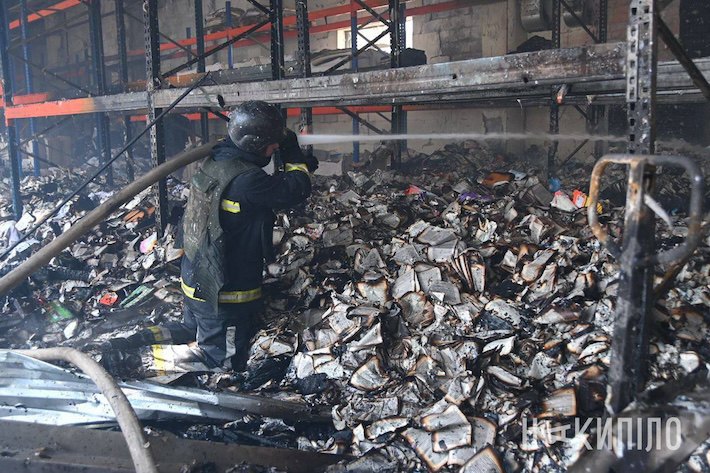
Anyone who continues to harp on about peace at any cost does not fully understand the situation. They hope to finish us off with a “black swan” – a collapse of the front, targeting morale, and strikes on Rozetka, ATB and publishing houses. But this has always been the case – it is not a response to our strikes or a change in tactics. In March 2022, Russian forces used aircraft and artillery to destroy Rozetka’s distribution centre near Brovary, and in March 2023, a missile strike destroyed their own warehouse complex in Kopyliv. Meanwhile, in March 2022, an air raid completely burned down ATB’s largest logistics centre in Makariv, which supplied northern and central Ukraine, while in April, a cruise missile strike put their hub near Odesa out of operation.
Civilian logistics and culture have suffered no less of a blow. Nova Poshta terminals have become regular targets – from S-300 strikes on a hub near Kharkiv in April 2022 and the deadly attack on Korotych in October 2023 to the systematic destruction of branches across the country. The culmination of this campaign of infrastructure terror came in May 2024, when an S-300 missile struck the Factor-Druk printing plant in Kharkiv, which printed books for Vivat, KSD and Ranok publishers. Seven employees were killed and more than 50,000 books were destroyed in the fire.
Anyone who says that the business community should have been consulted before targeting WB and Ozon in 2026 has the memory of a guppy and the same level of intellectual ability. And today, when Ukrainian UAVs are surgically cutting through Russia’s logistics, Russia is experiencing the same scenario first-hand – only on the scale of giant marketplaces and with trillion-ruble holes in the balance sheets of its biggest banks. You need two players to play this game. Of course, we get hit too. But the question for MAKEUP, Comfy and the rest is a different one: you watched us hammering their warehouses for months while they have been hammering ours for years, and you really kept billions of hryvnias’ worth of goods in single locations without dispersing them?
Here is a simple analogy for peace at any cost: a neighbour who is heavier and taller than you is hitting you with a pipe; other neighbours throw sticks and pipes over the fence, but carefully, so as not to provoke escalation – nobody wants to find out whether the attacker’s grandfather’s shotgun is loaded. You barricade yourself in and fight back, seriously injuring the attacker. Catching his breath and wiping the blood from his face, the aggressor proposes: put down the pipe, give me your barricades, clear the rubble from the doorway – and then we’ll talk. Not sign an agreement or prevent the next war, but talk. That is what peace at any cost looks like: “Put down the pipe, I won’t do anything, honestly.”
“We don’t want to seize Crimea”, “a corridor out of Ilovaisk, an officer’s word”, “it’s just an exercise”, “we’ll definitely sign the grain deal” – we have thousands of examples of how the Russians approach negotiations and honesty.
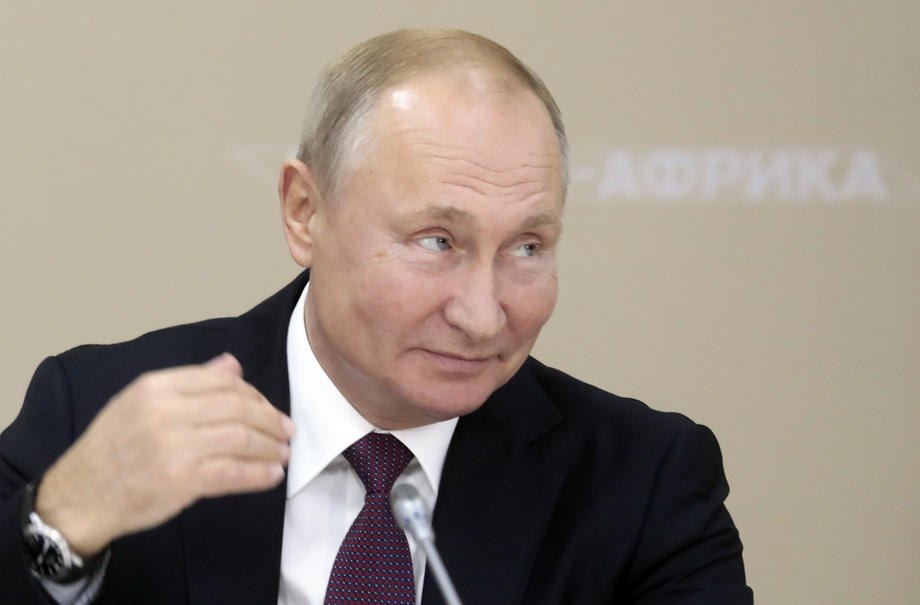
Meanwhile, Putin is waging war in Alpha Centauri – “controlling Svyatohirsk and Kupyansk”. The funniest thing is that the Third Army Corps has already been conducting successful operations in the sector for three months, while the city is 25 km from the fighting. The old man is literally hallucinating about a country of 140 million people. And the corridor they had stretched from the bridgehead west of Terny, bypassing Lyman, has been cut off since May; Russian positions in Ivanivka have been surrounded, while those retreating have been hit hard by UAVs and artillery.
“Forward, forward, infiltrate, supply ourselves with drones, dash through on motorbikes” has come back to bite the Russians, who wanted to push a notional line of control as close to built-up areas as possible before the greenery disappeared and try to catch up on the ground with what they had been reporting up the chain on paper.
It turns out that even supplying units of the 20th Army on this side of the river across the relatively narrow Zherebets is not so easy when numerous drones are operating against the crossings. Despite strict OPSEC in the sector, it is already known that we have made significant gains here – roughly 250 square kilometres have been liberated, half a dozen villages have been retaken, there is an ongoing push into the fish farm, and there is a threat of establishing a bridgehead on the bank occupied by Russia. The 46th Brigade has also reinforced the flanks of Kostiantynivka to prevent our positions in the western districts of the city from being encircled – pilots’ positions are still there, while Russian forces are being hit on the flanks, preventing them from advancing.
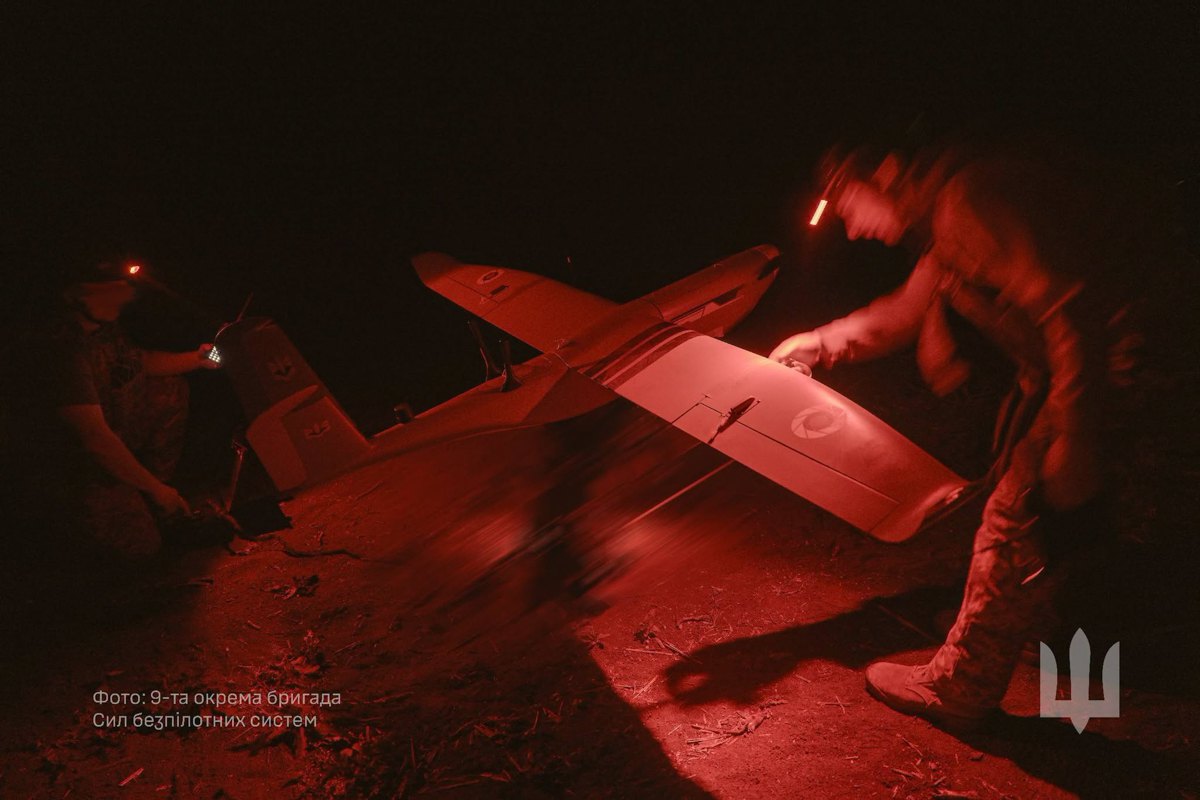
Operationally, it is difficult to overstate the importance of this counteroffensive – it is reducing the pressure on Lyman and attempts to push through the fields between Izyum and Slovyansk. If there is a strong desire to take Slovyansk and Kramatorsk, they will have to do it head-on, through anti-personnel trenches fitted with concertina wire and minefields, under drone strikes and precision-guided Western bombs targeting assault troops who have infiltrated buildings.
We continue to launch several hundred UAVs every night and produce nearly 40 Bohdana artillery systems a month. Naval drones are attacking Sochi, while in Novorossiysk a flagship was hit by a Neptune missile.
Overall, however, Russia has a major advantage in aviation. Russian forces used more than 8,000 guided glide bombs in a single month, are rapidly expanding their use of jet-powered drones, launch several dozen ballistic missiles a month and retain the initiative.
Throughout 2025, Russia launched around 500 ballistic missiles at Ukraine, including Iskander-M missiles alongside North Korean KN-23 copies. That works out at an average of around 40 a month. This summer, the peak was 174 – supplied by North Korea and drawn from stockpiles. Such peak expenditure in the summer, at 130–170 ballistic missiles a month, simply exceeds Russia’s current production capacity. As a result, the intensity fell to around 89 launches in August. Russia is running down accumulated stockpiles to sustain short-term peaks, after which it is forced to pause again to replenish them.
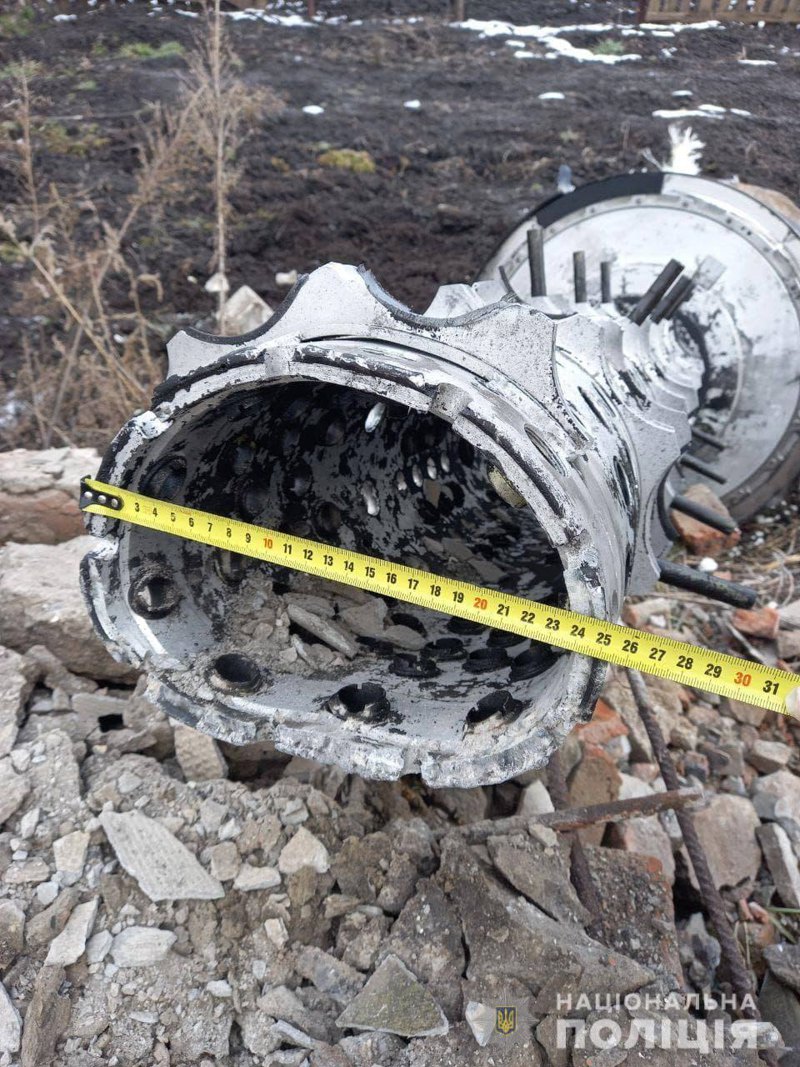
Modern Swedish and French aircraft capable of pushing back Russian launch platforms with Meteor missiles will not reach operational readiness any time soon. Ukrainian ballistic missiles will not be produced at scale tomorrow either, while Germany is only just beginning to manufacture interceptors for Patriot. So active defence with counterattacks by special forces, as near Stepnohirsk, cutting the Russian bridgehead near Oskil towards Dvorichna and Zapadne, or a steady three-month counteroffensive near Lyman against the backdrop of continued Russian pressure – these are the only things we should expect.
How many months ago did one red-haired man who claimed he could end six wars say that we had no cards and that Russia would take whatever it wanted? Yet we still control several streets in Chasiv Yar. What happened to that face?
As I wrote, Russia has adapted to the fuel shortage: Moscow has drained supplies from the regions; those caught on video queueing at petrol stations are being fined and ordered to perform community service. Rationing, additives, imports from South Korea, India, Belarus and Kazakhstan, alcohols – this was always going to be the case. But nearly 30% of refining capacity has gone offline, grain is barely moving through the Black Sea, and only a trickle is being shipped through Rostov. While the crisis is in full swing, oil and gas revenues are down 16% compared with August last year, payments under the fuel price stabilisation mechanism have risen by UAH 83 billion, half of petrol stations in St Petersburg have physically run out of petrol, grain storage facilities are full and grain prices are falling.
We are still holding the line and counterattacking under pressure that not many countries on the planet would be able to withstand. Another wartime autumn is in full swing.