








Why this became possible
Russia’s full-scale invasion of Ukraine, along with a number of other conflicts in recent years – the wars in Libya, Syria and Yemen, and the fighting in Nagorno-Karabakh – have shown that unmanned systems have become one of the key elements of the modern battlefield. They are used for reconnaissance and surveillance, artillery fire correction, communications support, and strikes on vehicles, fortifications and personnel.
At the same time, unmanned systems are not yet an autonomous component of warfare.
“Today, all unmanned systems units are support units for the main forces–infantry, assault troops, reconnaissance. No matter how effectively we strike the enemy at all levels, from the line of contact to strategic facilities in their rear, our task is to control specific points on the map, which is carried out by infantry soldiers. The land remains Ukrainian only when a Ukrainian infantryman stands on it,” explains deputy battalion commander of the “Nachtigall” battalion, Ihor Sholtys (“Shults”).

Moreover, the effectiveness of unmanned systems is shaped by a broad infrastructure. A drone is only one element of a system that includes communications, navigation, intelligence gathering, mission planning, technical support, logistics and trained personnel, notes director of the UAV business unit at The Fourth Law, Yaroslav Tkachuk. And it is precisely the quality of systemic interaction that delivers results.
“Surrounding autonomous solutions, there is often a perception of them as a kind of ‘silver bullet’ capable of performing every role described above. In reality, modern autonomy is a set of specific technological tools for individual stages of a mission: navigation, operating in conditions of degraded communications, identification, or carrying out the final stage of a mission. Therefore, the use of autonomous systems today is not about abstract futuristic concepts, but about the practical strengthening of each element of the process and increasing the effectiveness of the Defence Forces already now,” explains Yaroslav Tkachuk.
But UAVs are undeniably an evolutionary transformation of warfare: drones change the speed of target detection, reduce the distance between reconnaissance and strike, complicate manoeuvring, and make the concentration of forces much more dangerous.
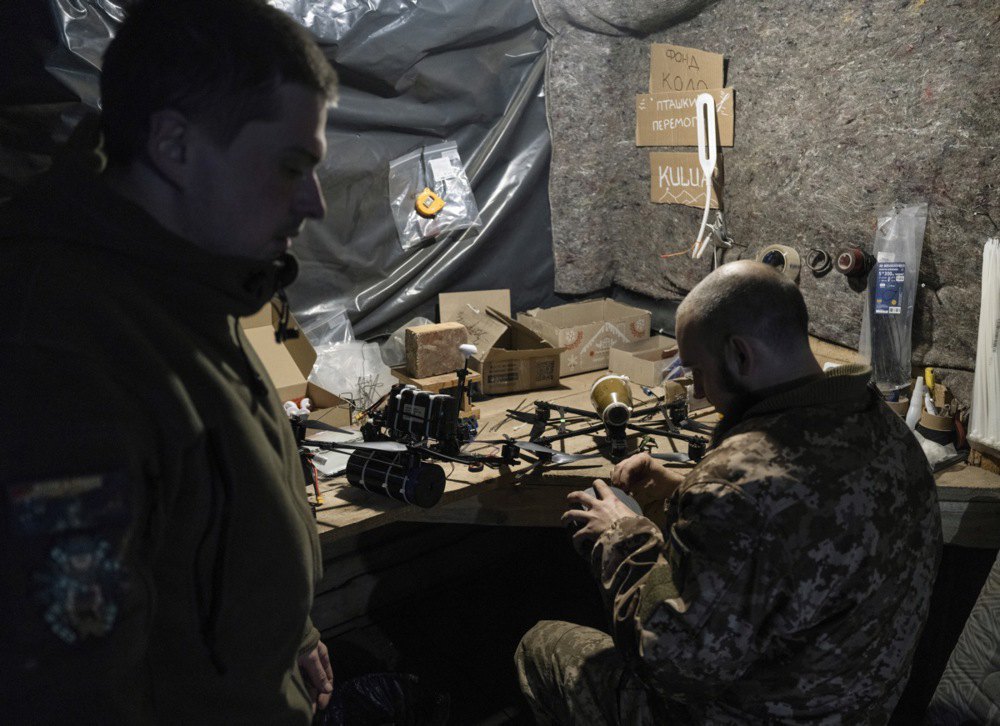
This became possible thanks to a combination of several factors. First of all, the development of the civilian drone market before the full-scale invasion. Cheap electronics, GPS, compact cameras, batteries, FPV technology, China’s industrial base, 3D printing, volunteer networks, and fast production and adaptation of “garage” solutions to the front together created a new phenomenon: an aerial force that can be assembled, repaired and upgraded almost directly near the line of contact.
“Everything related to FPV drones, fibre-optic drones or interceptor drones is no longer closed technology today. Blueprints, schematics and basic principles are available in open access. Even building first-generation strike drones capable of operating at ranges of up to 20 kilometres is not technically a major problem. A drone can be 3D-printed, integrated with the necessary components, fitted with a warhead – and it will fly,” says chief marketing officer of the UAV manufacturer Airlogix, Viktor Lokotkov.
However, he stresses that this does not apply to more complex engineering solutions. Building a high-quality drone – mid-strike, deep-strike or reconnaissance UAV – is a complex technological process that requires almost as much time, iteration, production cycles, testing and engineering problem-solving as building a missile.
“This is not a simple ‘toy with explosives’, but a complex system that must be designed, produced, refined and properly used,” Lokotkov states.

There is also a non-technological factor – the need for asymmetry. For Ukraine, drones have become a way to partially compensate for limitations in aviation, ammunition and manpower.
Cost and mass production above all
A report by the Center for a New American Security (Center for a New American Security) notes that drone affordability has created opportunities on a scale that did not previously exist. The key difference between drones and expensive systems lies in quantity: cheap platforms can be produced in large numbers, lost, quickly replaced, and launched again.
“When senior officials realised that a $300 system could destroy military equipment worth millions, this issue started being actively pushed at many levels, opening new waves of Ukraine’s defence-tech market,” says Ihor Sholtys.
In the United States, similar systems can cost $4,000–$8,000, says Viktor Lokotkov.
According to him, a comparison of one expensive drone versus one cheap one is not decisive. But when it comes to hundreds of thousands of units, the price difference turns into billions. The West understands this and is aiming to build automated factories with minimal human involvement.
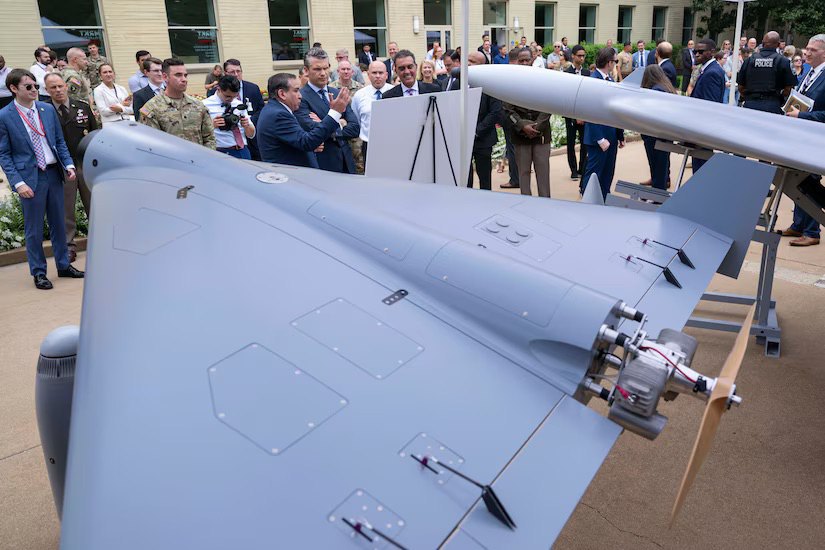
“But building such production requires time – from one to five years. For now, we do not see factories of the required scale. Will they appear? I think yes. And when they do, they may become a real game changer in this niche,” Lokotkov believes.
The low cost and visible effectiveness of drone strikes are attracting attention in different parts of the world, especially among those who do not have access to full-scale aviation or precision weapons. That is why the experience of drone warfare is spreading globally – from Israel and Lebanon to Myanmar, Colombia, Sudan, Mali and Mexico.
From the front line to cartels
At the beginning of May, Hezbollah released footage showing a fibre-optic FPV drone flying into a parking area of Israeli armoured vehicles and striking the rear section of a heavy armoured personnel carrier, the Namer. The attack took place in the Lebanese town of Bint Jbeil, near the border with Israel.
It should be noted that fibre-optic drones became one of the solutions actively developed on the Russia–Ukraine front in response to the increasing density of electronic warfare systems on the battlefield.
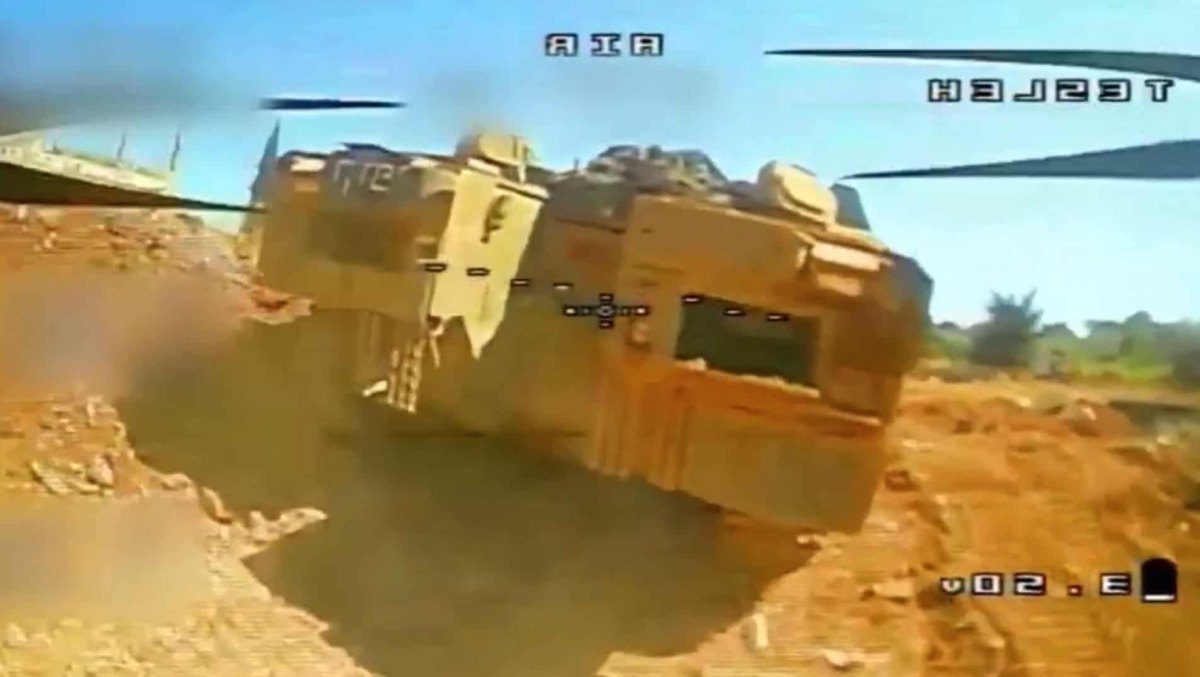
This attack was not an isolated case. Similar drones have already been used against Israeli tanks, bulldozers and soldiers in southern Lebanon.
According to Western media reports, the production cost of such a drone can be only a few hundred dollars, with parts manufactured using 3D printing and commercially available electronic components. For Hezbollah, it is also a way to produce weapons locally, as supply from Iran via land routes through Syria has become significantly more difficult.
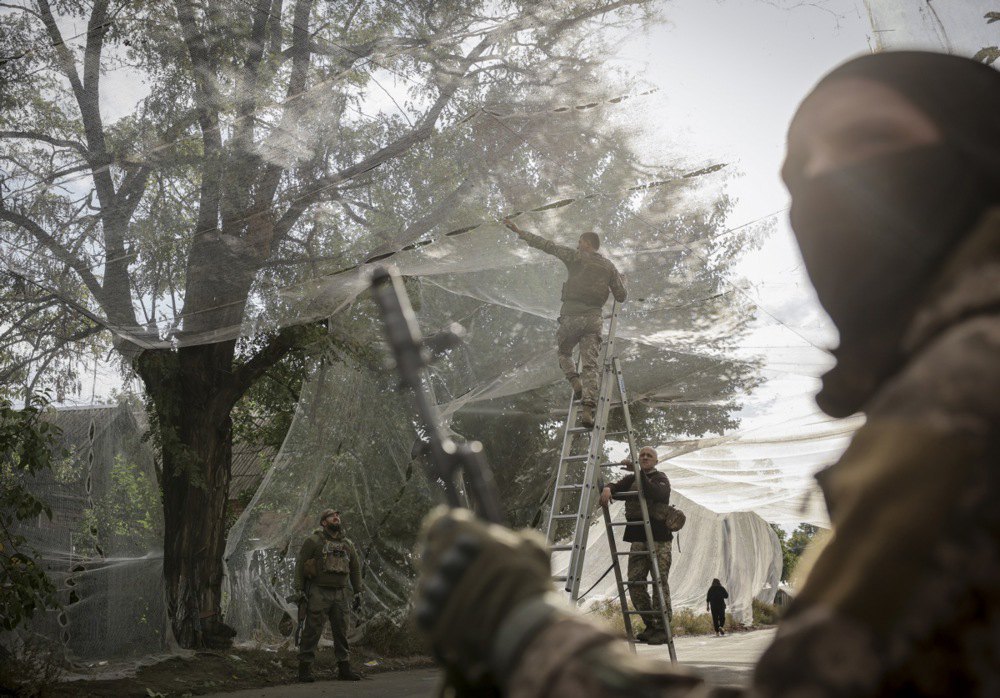
For Israel, this means a need to rethink approaches to creating buffer zones and protecting troops. The “Iron Dome” alone does not solve the problem of small FPV drones. Other countermeasures are required: laser systems, nets, cheap interceptors, short-range sensors, camouflage, and new tactics for securing positions.
Even before Hezbollah’s current attacks, drones were used by Hamas during the 7 October 2023 attack. In this case, unmanned systems were part of a combined operation. Commercial quadcopters dropped explosives on Israeli observation towers, sensors, communication systems and remote-controlled machine guns along the border. Their role was to blind defences before the main assault forces broke through.
However, even before the Israeli battlefield, modified commercial quadcopters used for dropping small grenades and improvised munitions were deployed in Iraq and Syria. One of the earliest large-scale examples was the activity of Islamic State (ISIS) in 2016–2017. According to the Combating Terrorism Center at West Point, at its peak in spring 2017, ISIS conducted between 60 and over 100 drone bombing attacks per month in Iraq and Syria. Even then, footage of these attacks was used for propaganda purposes.
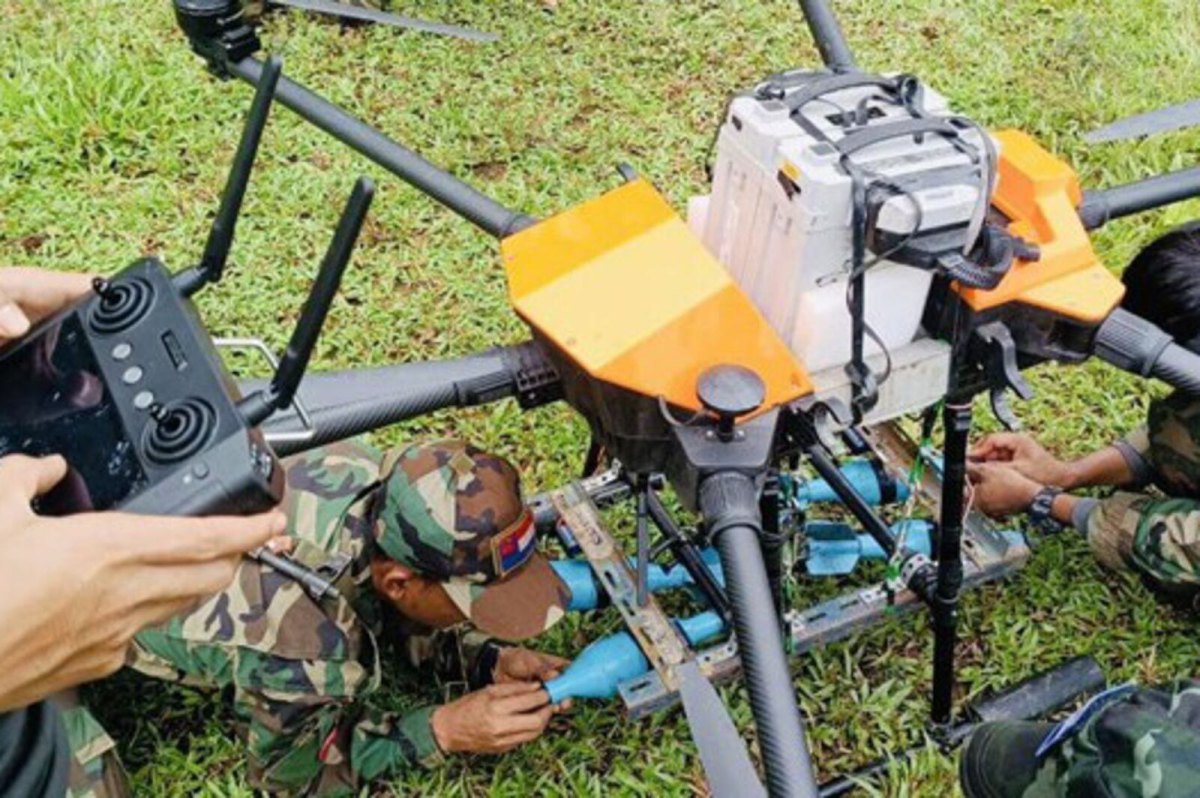
At that time, the combination of a “commercial drone plus a homemade drop system” could still be seen as experimental compared to what is happening today in Myanmar. There, insurgent groups that do not have their own aviation have effectively turned drones into their “air force”. They modify commercial and agricultural drones, equip them with explosive devices, and use them to attack military convoys, checkpoints and camps. According to Armed Conflict Location & Event Data Project (ACLED), since December 2021 resistance forces have carried out more than 2,100 drone strikes across more than 600 locations in Myanmar.
Colombia is another example where drones are used by insurgent and criminalised armed groups. For Ukraine, this case is particularly sensitive, as Colombian volunteers are fighting within Ukrainian forces, and claims have already appeared in the international information space suggesting that Colombians and Mexicans are learning drone warfare technologies in Ukraine and later applying them in criminal conflicts at home.
However, the use of unmanned systems in Latin America did not begin after 2022. The first reports of drone use in the Colombian conflict date back to 2018.
In Mexico, drones were already being used as early as 2015 to transport drugs, and in 2019 there were reports of a drone monitoring US Customs and Border Protection officers along the US–Mexico border, helping identify the most favourable moment to evade patrols. The shift from reconnaissance and smuggling to combat use was only a matter of time.
Africa is not lagging behind either. In Burkina Faso, more than a dozen kamikaze drone attacks have been recorded since February 2025. JNIM (Jama'at Nusrat al-Islam wal-Muslimin) has used drones during attacks on Djibo and Diapaga.
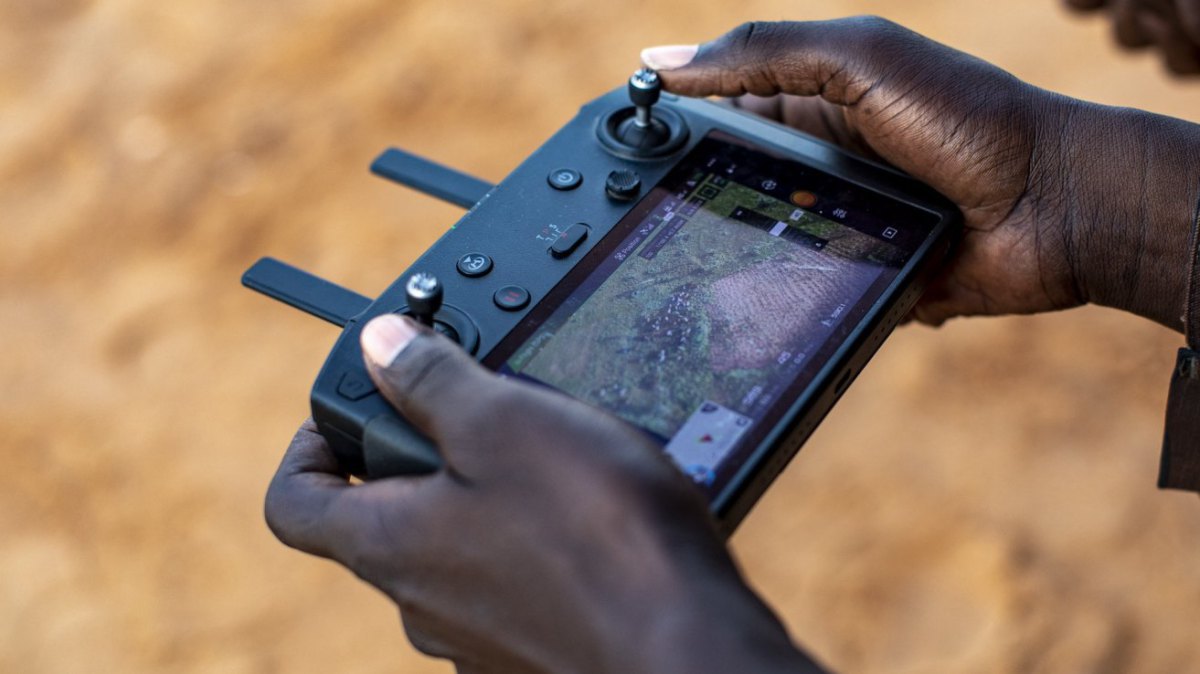
Azawad rebels and other groups are following a familiar path: they modify civilian drones, which in West Africa are widely sold for agriculture, filming events and other peaceful uses. Their small size makes them easy to conceal and transport across borders.
You can’t catch up if you fail to keep pace
All these examples share common features. First, drone warfare is no longer limited to high-tech battlefields of developed states. On the contrary, small drones are spreading активно in regions with weak border control, limited state institutions, and active insurgent or criminal networks. This is what distinguishes them from the Ukrainian situation, which involves a large-scale interstate war.
But the second feature is shared – drones have become a cheap instrument of asymmetric violence. Small killers whose power lies not so much in explosives as in accessibility, psychological impact, the ability to undermine the tactical advantage of a stronger opponent, and, undoubtedly, media visibility, which allows attacks to be recorded and viewed on the smartphones of millions of people. It is a digital chronicle of history and yet another transformation of warfare, in which Ukraine today occupies one of the key positions as a technological leader.
At the same time, Ukraine has a unique characteristic – the extraordinary intensity of combat operations.
“Wherever a war begins – in the Middle East, the Americas or Asia – the intensity will not come close to what exists in the Russia–Ukraine war. As a result, counter-drone measures, the development of new UAV tactics and related processes will be much slower and will have a far smaller base for study and strategic improvement than we have,” notes Ihor Sholtys.
Ukraine’s experience is being studied not only by small countries, insurgent movements, criminal groups or terrorist organisations. Developed states are also trying to update their weapons systems, industrial approaches and doctrines of warfare. This has become especially visible amid new escalations in the Middle East, where drones, missiles, air defence systems, electronic warfare and precision strikes have become part of a single military-technological complex.
Western countries have significant advantages: artificial intelligence tools, data architecture, satellite and communication networks, cyber and space capabilities, strong universities and defence companies. But they also face a problem: their defence systems are often built around expensive, complex and long development cycles. Drone warfare requires a different logic – fast production, constant testing, cheap mass-scale manufacturing, flexible adaptation and readiness to lose equipment in large numbers.
“The problem in the West lies in the huge number of bureaucratic safeguards and very limited access to real-world experience with small UAVs. Where our Western colleagues, based on their research centres, start or continue developing a specific UAV direction, in our case it may already become outdated,” explains Ihor Sholtys.
According to him, the pace of change in tactics for using different technological solutions is currently observed every two months.
“And we understand that, hypothetically, allies we were talking to two months ago were working on a technology that may already be outdated. In our case, a decentralised market allows us to very flexibly and quickly choose between one or another manufacturer, directly propose certain technological solutions to the manufacturer, and give very fast feedback – something our allies cannot afford,” says Ihor Sholtys.
This view is shared by Viktor Lokotkov from Airlogix: “In Western countries it is very difficult to simply start rapidly producing new systems. You have to go through many rounds of approvals, align documents, doctrines, procedures and procurement processes. Since there is no large-scale war directly on their territory, they can afford to act slowly.”
But according to him, this does not apply only to the West – the potential of small UAVs has also been underestimated by other countries, including Taiwan.
“To catch up with Ukraine in this field, you need to produce drones in enormous quantities – the way it is done in Ukraine today. That requires building the entire supply chain. And a significant part of that supply chain will still be linked to China, because many countries simply do not have their own production base for such components,” Lokotkov believes.
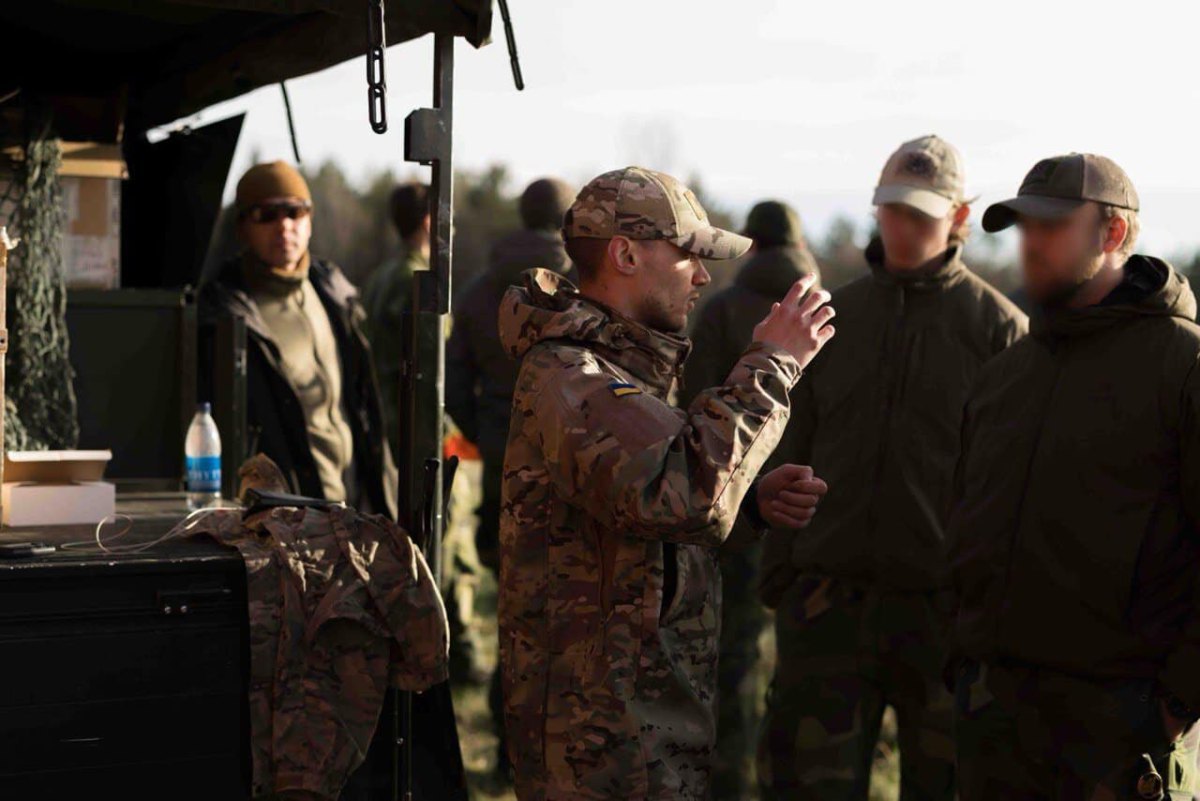
Can NATO countries restructure their industry, procurement, training and doctrine as fast as the battlefield itself is changing?
Here it is worth recalling how, in April in Sweden during the international military exercise Aurora 2026, organisers were forced to adjust scenarios and operational planning. The reason was that FPV drone crews from the National Guard of Ukraine unit Azov Corps acted as the simulated opposing force.
“Due to the effectiveness of Ukrainian crews, some exercise scenarios were changed. At the same time, participation of FPV pilots in certain phases was limited so that other units could complete drills without losing equipment to drones,” the corps later said in a comment to Militarnyi.