






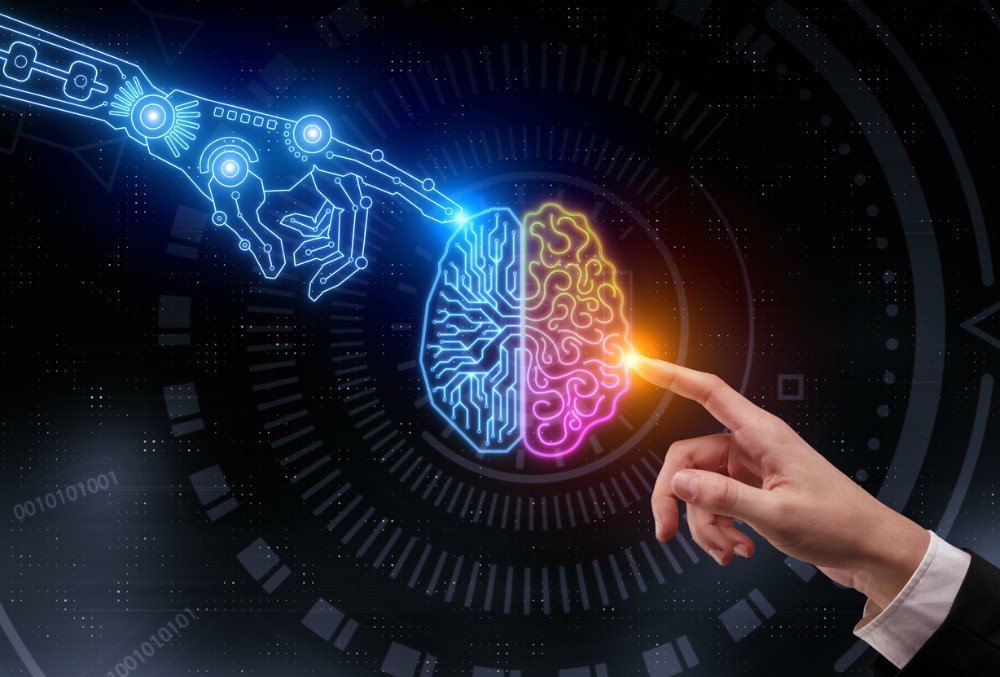
Modern medicine has already encountered a problem that humans are physically unable to solve on their own. The volume of biological information is growing faster than even the world’s strongest scientific teams can analyse it. Every day, thousands of new studies in biology, medicine, chemistry, and genetics are published. Under these conditions, artificial intelligence is becoming not a replacement for physicians, but a tool capable of identifying hidden patterns far more quickly.
Today, artificial intelligence systems are already being used to analyse medical images, predict the risks of complications, detect oncological processes, and assess treatment effectiveness. What seemed like science fiction only ten years ago is gradually becoming part of practical medicine.
The most important direction remains early diagnostics. In the coming years, algorithms will be able to analyse millions of clinical cases, compare symptoms, genetic factors, laboratory indicators, and behavioral changes even before the first signs of disease appear. This means a fundamentally new model of medicine in which the primary goal will no longer be treating consequences, but preventing pathologies.
These technologies are especially significant in military medicine. During combat operations, every minute often determines whether a wounded person survives. Intelligent diagnostic systems are capable of reducing the time between injury, patient assessment, and the beginning of treatment. For a country living under wartime conditions, this is no longer futurism, but a matter of practical importance.
No less important is the issue of global biological security. Pathogens are adapting faster than before. Viral infections can spread across the world within weeks. Climate change affects agricultural systems, food security, and ecosystem resilience. The COVID pandemic demonstrated how vulnerable even the most developed countries remain.
At the same time, the very concept of biological resources is changing. The world is actively searching for new protein sources, new methods for synthesizing food components, and biologically active substances. Scientific laboratories are working on the creation of safe and effective protein and lipid compounds for medicine, the food industry, and veterinary applications. This is no longer exotic science, but part of global technological competition.
The main problem of modern science lies not only in treating diseases. The real challenge is the ability to identify the root cause in time. That is why the future belongs to systems that combine molecular diagnostics, genetic analysis, biological analytics, and neural algorithms.
At the same time, humans still retain the central role. Artificial intelligence can analyze vast amounts of data faster than any person, but responsibility for conclusions, ethical boundaries, and the application of technologies remains with researchers, physicians, and society itself.
We are gradually moving from an information civilisation to a civilisation of biological intelligence. In this new reality, the highest value is no longer information alone, but the ability to understand the very nature of life, the mechanisms of disease, and the processes of recovery within the human body.
That is why medicine will change radically within the next decade. Treatment will begin before a person even feels pain. And the primary task of science will become not fighting consequences, but preventing destructive processes at the stage of their emergence. Because disruption of balance in one part of a living system will sooner or later manifest itself as disease in another.