





In Kyiv, fragments of Russian weapons used in the massive attack on the capital on the night of 24 May were displayed, according to a briefing reported by LB.ua journalist.
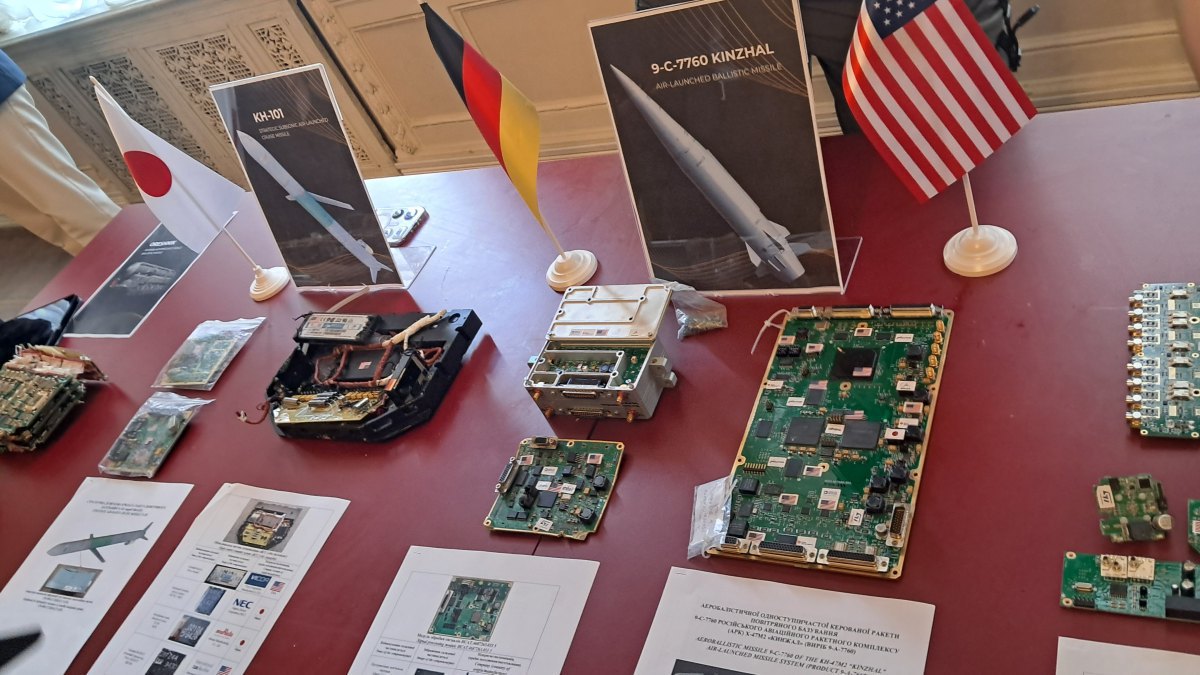
The weapons used in the attack reportedly included “Oreshnik,” “Kinzhal,” “Kalibr,” Kh-101 cruise missile, and Shahed-136 (“Geran-2”) drones. Among the recovered fragments, experts identified components manufactured in the United States, Japan, Switzerland, and China.
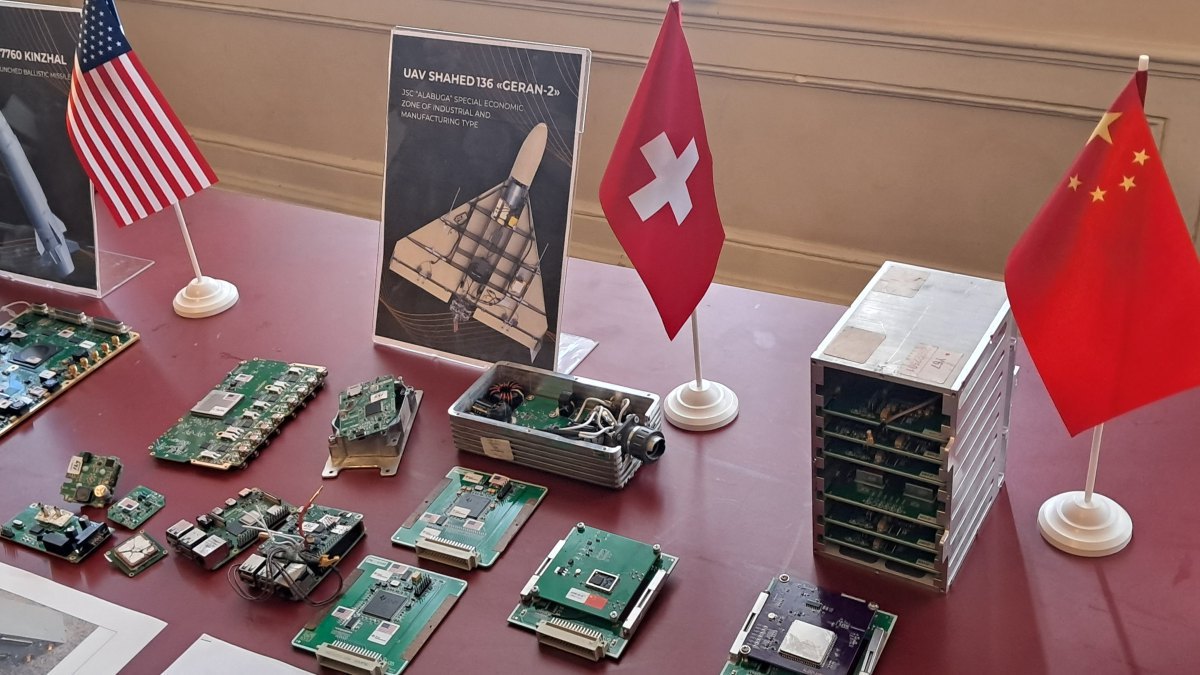
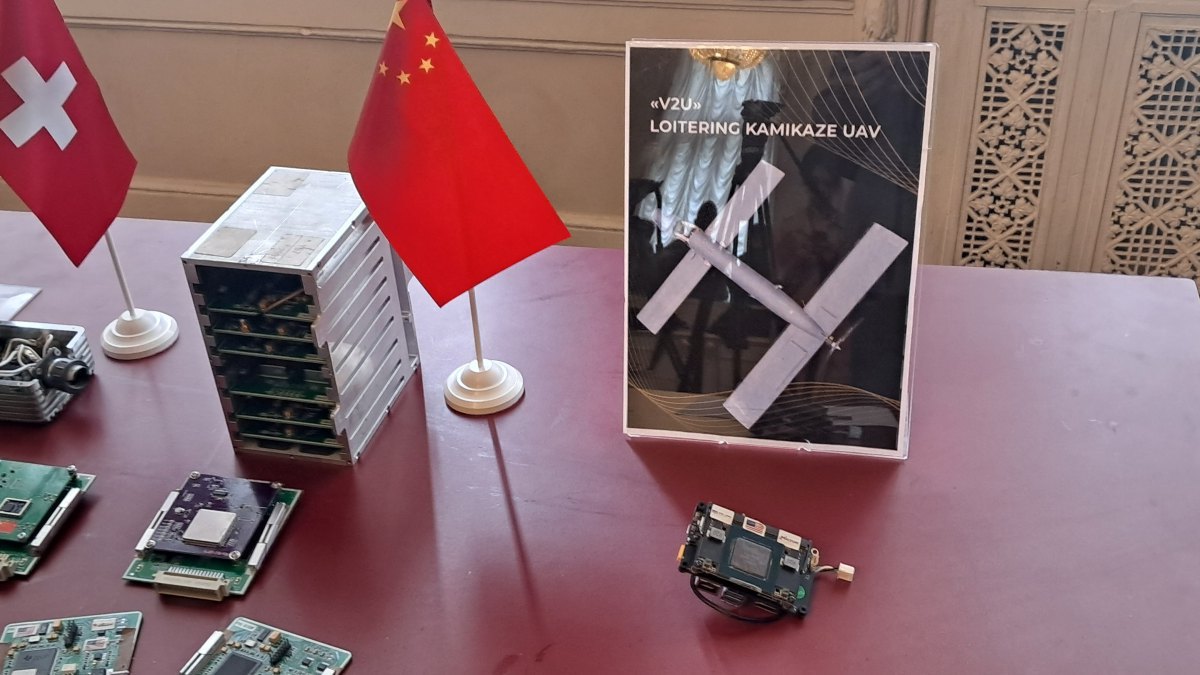
According to Petro, one of the experts who examined the weapon fragments (his surname and position are not disclosed for security reasons — ed.), specialists were surprised after analysing the remains of the strategic missile “Oreshnik”.
“They say it is a very new missile, but if you look at the assembly of the unit, you can see the date — 2017,” he said.
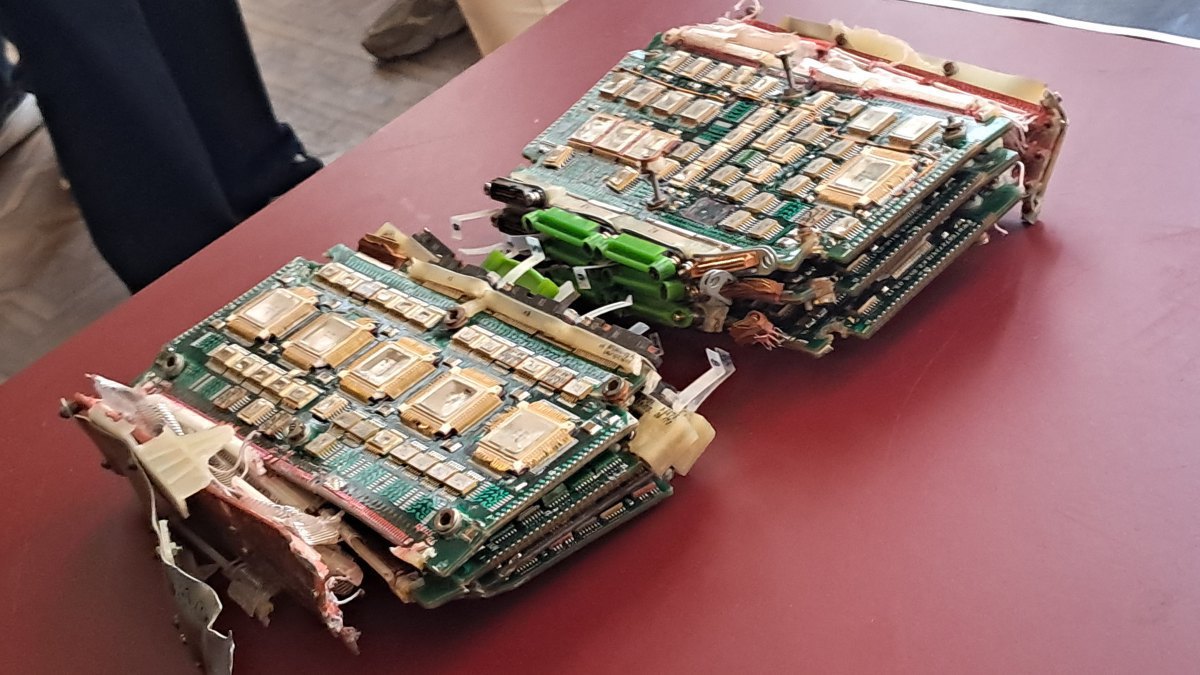
Experts examined the missile’s main computer and processor unit, which control guidance and transmit signals to the control surfaces and engines. According to them, all components were manufactured before 2016. Belarusian parts produced by the Minsk-based Integral were also identified. So far, no components from other countries have been found.
The expert noted that the “Oreshnik” is not very accurate and, without a nuclear warhead, does not pose a high level of threat, although it remains dangerous: “If it is without a nuclear warhead, then the chance of dying from ‘Oreshnik’ is roughly the same as from a brick falling from a roof,” he said.
Fragments of Russian weapons used in the strike on Kyiv were previously shown to a U.S. delegation, and earlier to European officials working on Russian sanctions policy. Today, the debris was presented to journalists.
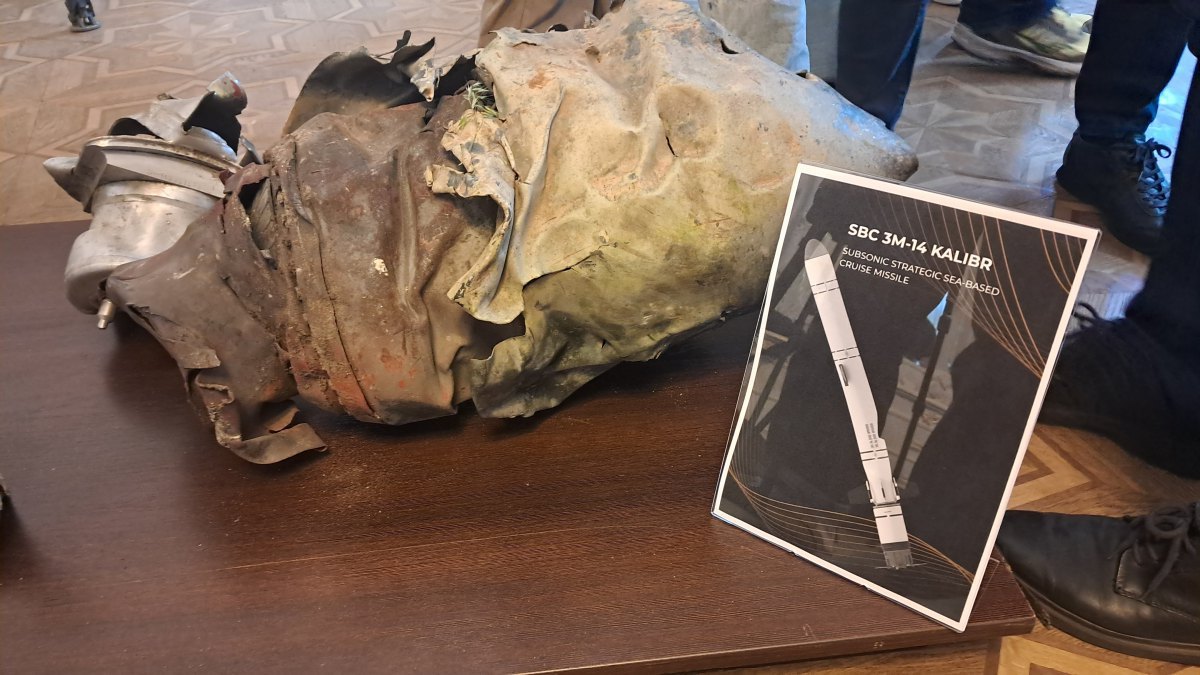
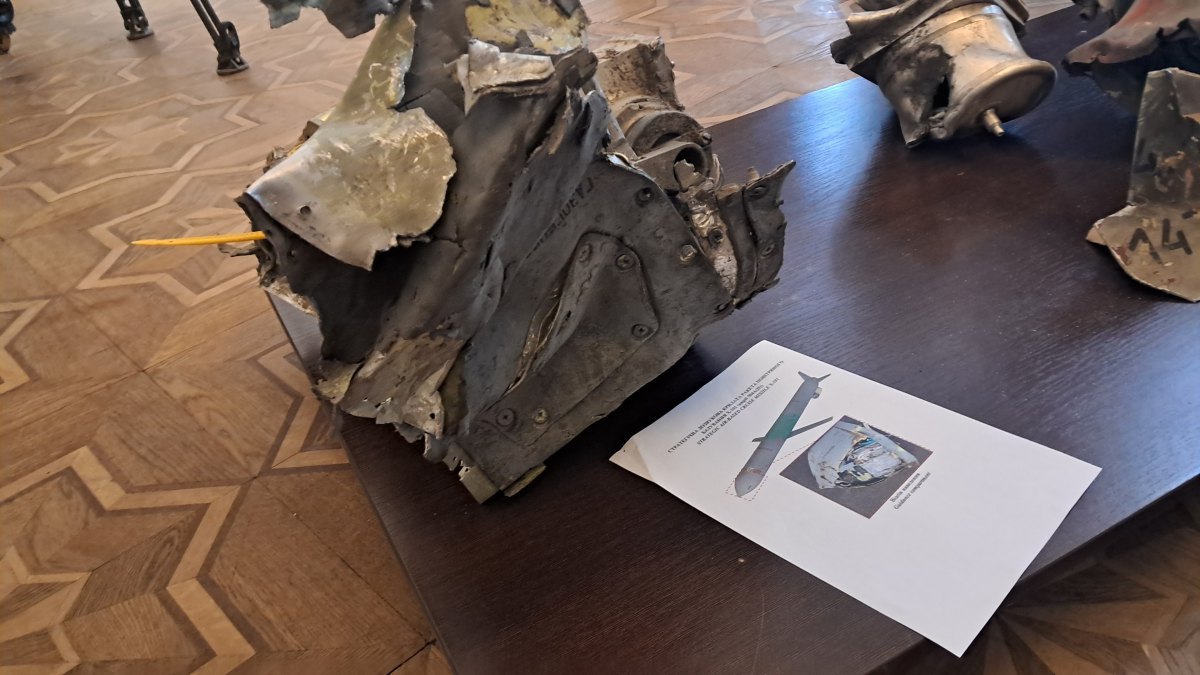
As stated during the briefing by Vladyslav Vlasyuk, more effort is needed to disrupt Russian weapons production.
“And we would like to have more capabilities for intercepting strike systems, particularly ballistic ones. Since this time there was a significant amount of ballistic weapons used,” Vlasyuk noted.
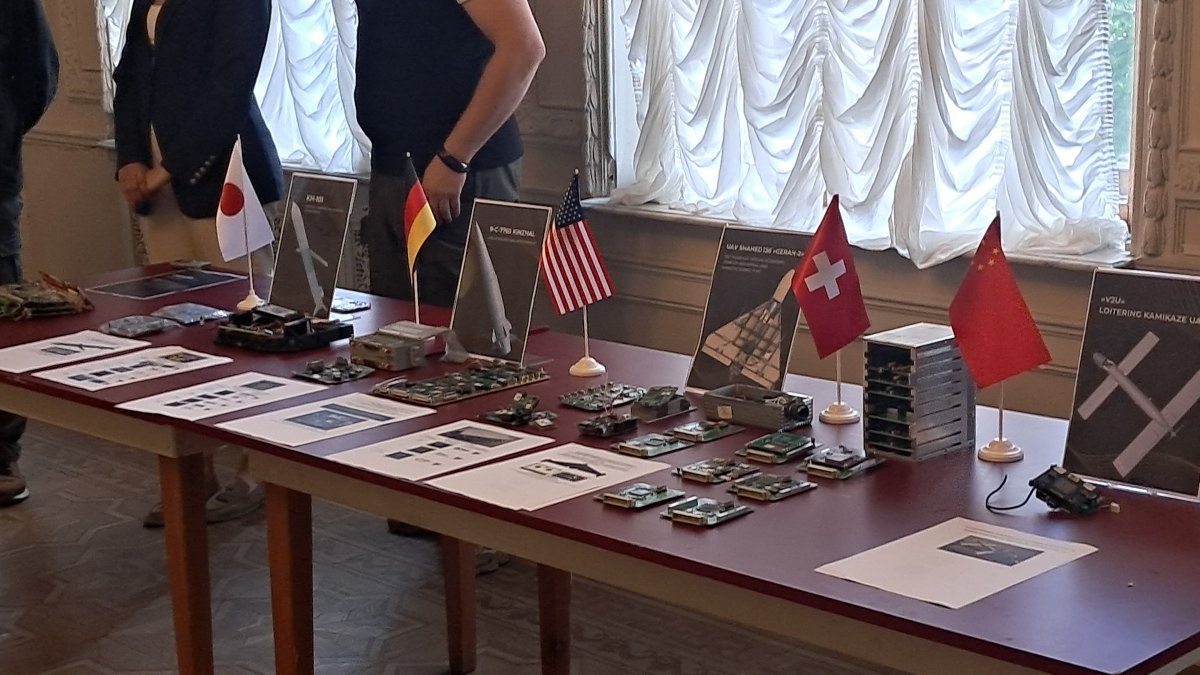
According to Vladyslav Vlasyuk, Ukraine needs continued support from partners both in strengthening its air defence and in preventing violations of sanctions against Russia.
Vlasyuk noted that around 25% of U.S. components found in Russian weapons are counterfeit. He added that Russian forces deliberately erase serial numbers on their equipment. He also said that Ukraine regularly shares information with China regarding Chinese-made components discovered in Russian weapon systems.