






Who has the right to vote
The right of Ukrainian citizens to vote and stand for election is guaranteed by Article 38 of the Constitution. All citizens of Ukraine who have reached the age of 18 by election day are entitled to vote, except those declared legally incapacitated by a court.
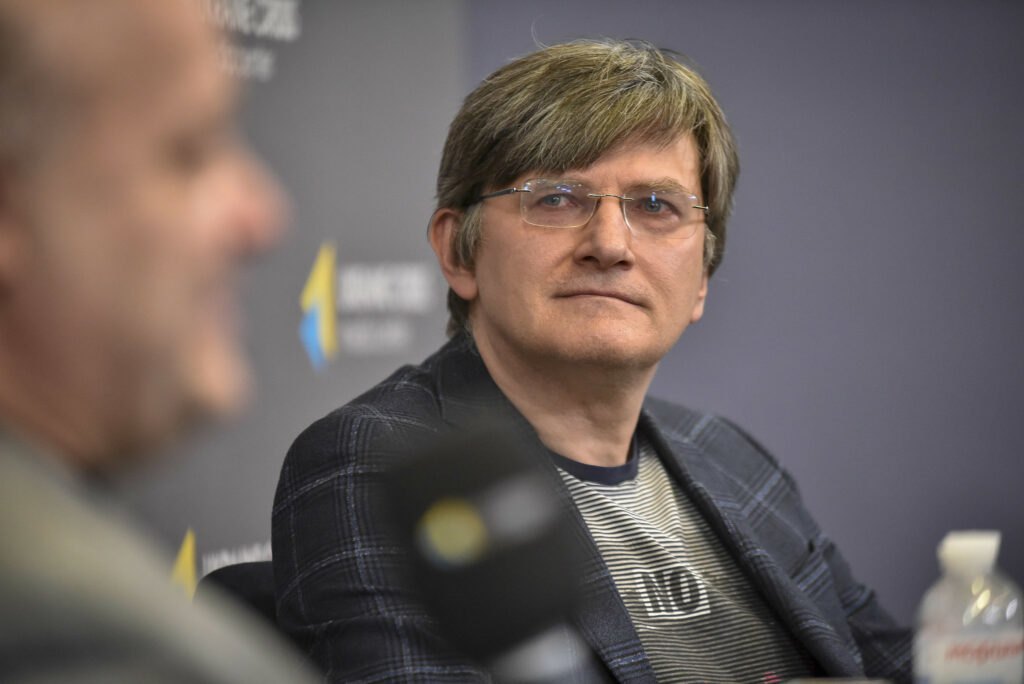
The right to stand for election is subject to a number of eligibility requirements that vary depending on the office sought. The basic criteria are enshrined in the Constitution, whilst the detailed provisions are set out in the Electoral Code of Ukraine No. 396-IX of 19 December 2019 and other electoral legislation, explains Andriy Mahera, a former deputy chair of the Central Election Commission and a lawyer.
Article 103 of the Constitution stipulates that a citizen of Ukraine who has reached the age of 35, has the right to vote, is proficient in the state language, and has resided in Ukraine for the 10 years immediately preceding election day may be elected President. The same article also prohibits a President from serving a third consecutive term and sets out rules regarding incompatibility of office.
Article 76 states that a citizen of Ukraine with no unspent criminal conviction who, on election day, has reached the age of 21, has the right to vote, and has resided in Ukraine for the previous five years may be elected a Member of Parliament. Article 78 introduces the principle of incompatibility of office — a restriction on holding certain positions simultaneously rather than on standing for election.
This period — 10 years for the President and five years for a Member of Parliament — is known as the residency requirement.
How the residency requirement works
Article 75 of the Electoral Code explains that, in order to satisfy the residency requirement, “a single trip abroad for private purposes must not exceed 90 days, and the total time spent outside Ukraine in any one-year period during the ten years preceding polling day in the relevant election must not exceed 183 days”. However, these restrictions do not apply to official business trips, study, holidays or medical treatment.
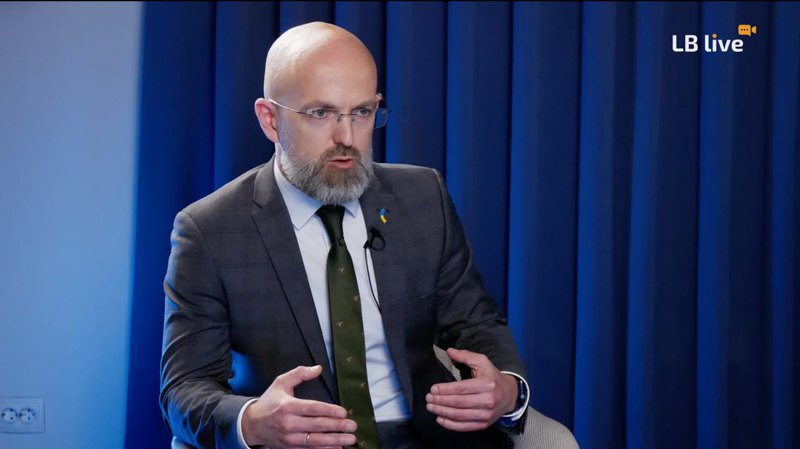
Does diplomatic service abroad constitute a breach of the residency requirement? Oleksandr Karasevych, State Secretary of the Ministry of Foreign Affairs of Ukraine, said in an interview with LB.ua that an ambassador or employee of a diplomatic mission is “on official business” in another country. At the same time, diplomats do not physically reside on Ukrainian territory, even though embassy and consular premises enjoy a special legal status.
Olha Ayvazovska, head of the civil society network Opora, believes that the concept of “residence” in the Electoral Code is broader than mere physical presence. “It encompasses both residence within Ukraine’s state borders and the stay of citizens and their family members whilst on assignment outside Ukraine,” the expert explains. “It can therefore be concluded that the legal concept of ‘residence’ takes into account the continuity of a political and legal connection with the state of Ukraine.”
According to Olha Ayvazovska, a diplomat’s long-term posting abroad — typically lasting three to four years — “is necessitated by the performance of diplomatic or consular functions entrusted to them by the state”, and therefore cannot serve as grounds for restricting their right to stand for election.
The elephant in the room
“We all know who we’re talking about,” comments Serhiy Vlasenko, a Member of Parliament from the Batkivshchyna party and a lawyer by profession. “In English, there is the expression ‘the elephant in the room’ — the obvious issue that everyone prefers not to address. In this case, it is Valeriy Zaluzhnyy, Ukraine’s ambassador to the United Kingdom.”
Zaluzhnyy, the former Commander-in-Chief of the Armed Forces of Ukraine, has consistently denied reports of political ambitions. Nevertheless, polling organisations continue to include him among potential presidential candidates and his hypothetical political force among potential participants in parliamentary elections, where both regularly record strong levels of support. Excluding a potential rival from an election on the formal grounds of the residency requirement might appear to be a convenient solution for the current authorities, but would it withstand legal scrutiny?

Serhiy Vlasenko considers the idea of imposing restrictions on diplomats to be legally untenable. “Although our Constitutional Court is currently in something of a limbo state, any court acting reasonably would find such restrictions unconstitutional. I see no reason why any ambassador should be barred from standing in an election — whether parliamentary or presidential. In my view, both the Constitution and the law support this position,” says the Batkivshchyna MP. Olha Ayvazovska likewise sees no prospect of revising the residency requirement specifically for diplomats.
“There will be no inconsistencies,” says Serhiy Dubovyk, deputy chair of the Central Election Commission. “Embassies and other diplomatic and consular missions are treated as part of Ukraine’s sovereign representation abroad, and diplomats are considered to be on long-term official assignment.”
An exception for military personnel too
Former Deputy Chair of the Central Election Commission Andriy Mahera argues that the residency requirement also does not apply to military personnel who, for example, are participating in training exercises abroad or serving on peacekeeping missions.
“If the Verkhovna Rada of Ukraine has authorised the deployment of Ukrainian military personnel abroad under an international treaty, there are no issues. They are considered to be residing in Ukraine and are therefore eligible to stand for election,” he says.
At the same time, Mahera believes that some of the other grounds for long-term stays abroad that are exempt from the residency requirement — such as study, medical treatment, holidays, or extended business trips for private organisations — are constitutionally questionable. “If any of these activities last for more than six months a year, then, with all due respect, that is no longer a temporary stay abroad — it is residence,” he says.
The final decision on the registration of candidates rests with the Central Election Commission and may subsequently be challenged in court. In the past, there have been cases in which the Commission registered candidates whose compliance with the residency requirement was open to question. There have also been instances where political parties deliberately included individuals on their electoral lists despite knowing that they were unlikely to meet the legal requirements, anticipating that their registration would be refused. For example, the lead candidate on the Batkivshchyna party list in 2012 was Yuliya Tymoshenko, who was serving a prison sentence at the time, while in 2014 it was Nadiya Savchenko, who was being held captive in Russia. In both cases, the Central Election Commission refused registration, and their inclusion on the lists served primarily as a symbolic political statement to voters.
Will Ukrainians abroad be able to stand for election?
Millions of Ukrainian citizens live outside the country. Some emigrated or moved abroad for work even before the full-scale invasion, whilst others left because of the war. Under current legislation, a Ukrainian citizen — including a refugee — who has spent more than six months abroad loses the right to stand for election. Is this fair?
During meetings of the working group preparing draft legislation on post-war elections, sharply differing proposals were put forward. One extreme position was to deprive Ukrainians abroad not only of the right to stand for election but also of the right to vote. The other was to abolish the residency requirement altogether and allow Ukrainians living abroad to stand for election without restrictions.
In May 2024, MP Alina Zagoruyko of the Servant of the People party, together with more than 40 co-authors, introduced Bill No. 11300 proposing amendments to the Electoral Code. One of its key provisions is the liberalisation of the residency requirement: time spent abroad during martial law would no longer constitute grounds for refusing a candidate’s registration.
In January 2026, the Central Election Commission adopted Resolution No. 1, the annex to which proposed its own mechanism for verifying compliance with the residency requirement. Under this approach, candidates would be required to submit declarations detailing the duration of their stays outside Ukraine during the previous five or ten years, while the State Border Guard Service would conduct mandatory verification checks.
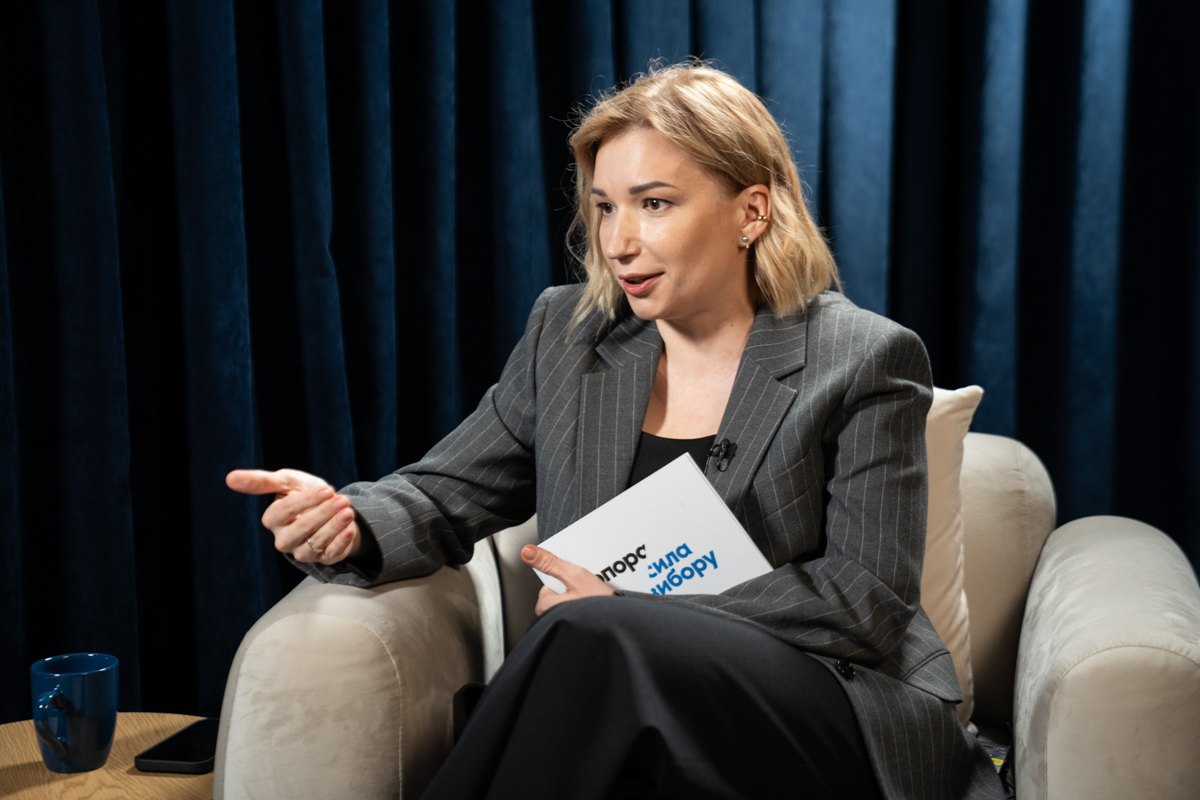
Olha Ayvazovska told LB.ua that no final decision has yet been reached, as the parliamentary subcommittee on elections, referendums and other forms of direct democracy did not recommend any of the proposed legislative initiatives for adoption at first reading in the summer of 2024. According to her, the subcommittee instead proposed drafting a separate bill.
The head of Opora believes that the real reason for the delay is political. Her organisation supports liberalising the residency requirement, but only with safeguards. “We are proposing certain safeguards so that only those who were legally abroad can be included in the exemption categories,” she says. This would mean, for example, that individuals who crossed the Tysa River illegally to leave Ukraine would not be eligible to stand for election.
Serhiy Dubovyk, deputy chair of the Central Election Commission, also argues that Russia’s full-scale aggression has altered the established framework and requires a new legislative approach. “Parliament should consider this issue carefully and establish a definitive list of valid grounds for being abroad in the context of the first post-war elections. In my view, it should be addressed as part of a comprehensive reform package,” he says.
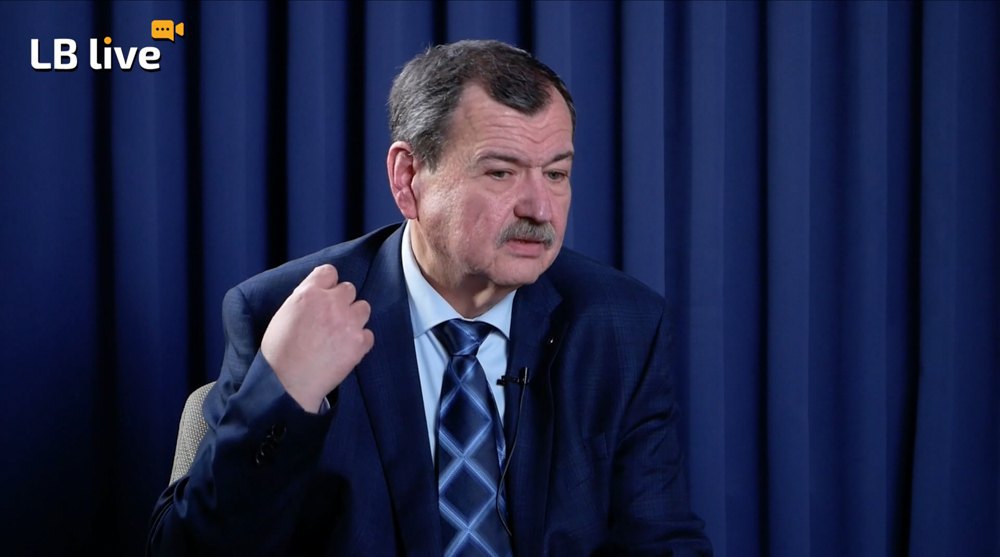
Andriy Mahera, however, opposes any exceptions. The residency requirement, he argues, is rooted in the Constitution. “All these attempts to circumvent it by creating special conditions and special circumstances — I’m sorry, but tailoring the Constitution to suit particular individuals is a very bad idea,” he says. Any exemption for one group, Mahera argues, would inevitably create unfairness for another. “What about citizens who left Ukraine before 2022? Are they to be treated as second-class citizens simply because they would not be allowed to stand for election? There should be a single principle: if you live abroad, you cannot stand for election,” he argues.
At the same time, experts broadly agree that Ukrainians living abroad must not be deprived of their right to vote.
Citizens in the occupied territories
When discussing Ukrainians abroad, it is important not to overlook the hundreds of thousands of Ukrainian citizens living in Russia and Belarus. Abolishing the residency requirement without further clarification would mean that such individuals could also become eligible to stand for election. As for voting, they would have to leave the aggressor states, as, according to State Secretary of the Ministry of Foreign Affairs Oleksandr Karasevych, there will be no polling stations in either Russia or Belarus.
The situation of Ukrainian citizens living in the occupied territories is even more complex. Andriy Mahera argues that they will be able to vote by travelling to territory controlled by the Ukrainian government. But what about their right to stand for election?
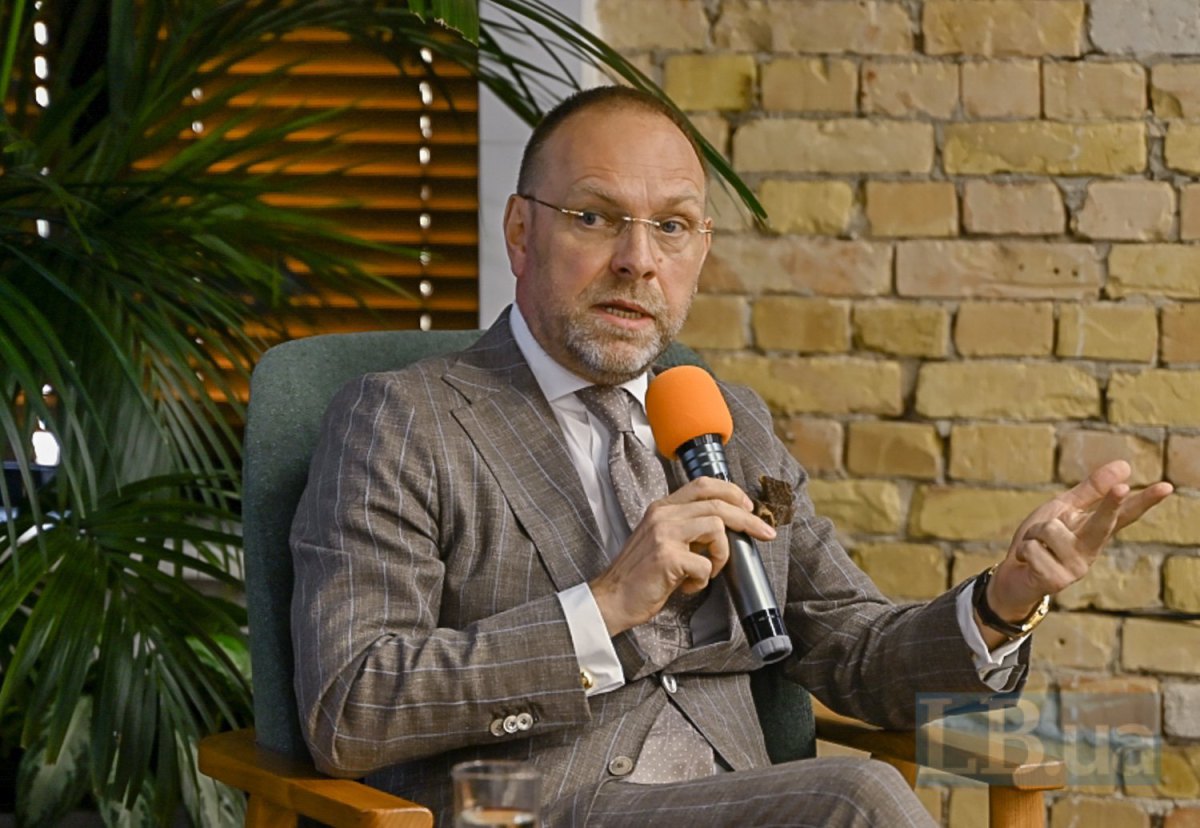
“It’s a complex issue that falls into a grey area,” says Serhiy Vlasenko of the Batkivshchyna party. Since the occupied territories remain part of Ukraine under both the Constitution and Ukrainian law, citizens residing there formally enjoy the same electoral rights as all other Ukrainians. According to Vlasenko, candidates living in the occupied territories made use of this legal reality during the 2019 elections.
“People would ask: ‘Where have you been all this time?’ And the person would answer that they had been in Crimea. What can you say to that? Crimea is, after all, Ukraine,” Vlasenko explains.
One example is Renat Kuzmin, a former ally of Yanukovych, who was elected to parliament on the list of the pro-Russian Opposition Platform – For Life party despite reportedly making at least 240 trips to Russia and occupied Crimea between 2015 and 2016.
Mahera agrees that “the majority of Ukrainian citizens currently living under occupation have not committed crimes against the Ukrainian state. They have not organised sham elections or sham referendums, nor have they worked for the occupation authorities. However, there is also a minority who have.” Collaborators who currently assist Russia in administering occupied Ukrainian territories may, once legitimate Ukrainian authority is restored, seek to rely on their Ukrainian citizenship in order to stand for election.
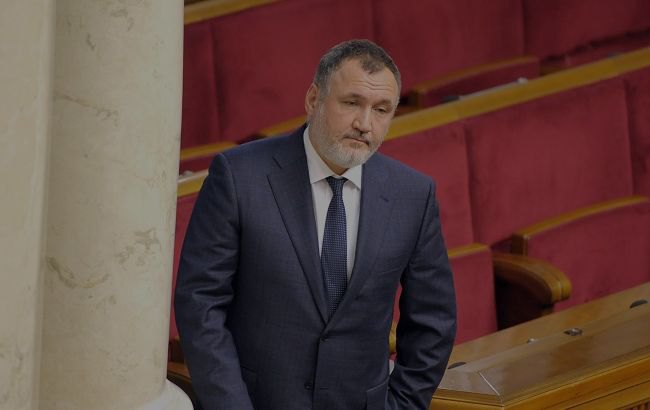
Mahera identifies two possible ways of preventing such individuals from participating in elections. “The first is a final court conviction, at least in the case of parliamentary elections. Such individuals must be prosecuted and sentenced. A criminal conviction is an absolute barrier to standing in parliamentary elections. In presidential elections, however, the situation is different, because Article 103 of the Constitution does not contain any requirement regarding the absence of a criminal record,” he says.
Mahera regards the second option as more radical but also more effective: the loss of Ukrainian citizenship. “There are two grounds for the termination of Ukrainian citizenship. The first is voluntary renunciation, when a person submits an application to give up their citizenship. The second is loss of citizenship, which occurs when a person voluntarily acquires the citizenship of another state. In such cases, the president has the authority to issue a decree terminating that person’s Ukrainian citizenship,” the lawyer explains. Anyone who loses Ukrainian citizenship is no longer entitled either to vote or to stand for election.
According to Mahera, the law on multiple citizenship will not provide protection for collaborators, “because even that law requires the Cabinet of Ministers to compile a list of countries whose citizenship Ukrainian citizens may legally acquire. We are talking about democratic countries of the Western world — certainly not an aggressor state.”
‘Soft lustration’
Oleksiy Arestovych is another name that frequently featured in opinion polls during the early years of the full-scale war. The former adviser to the President’s Office left Ukraine under unclear circumstances in 2023, and while abroad his rhetoric became openly pro-Russian. Sanctions were imposed on him last year. Unlike Zaluzhnyy, Arestovych has never concealed his political ambitions.
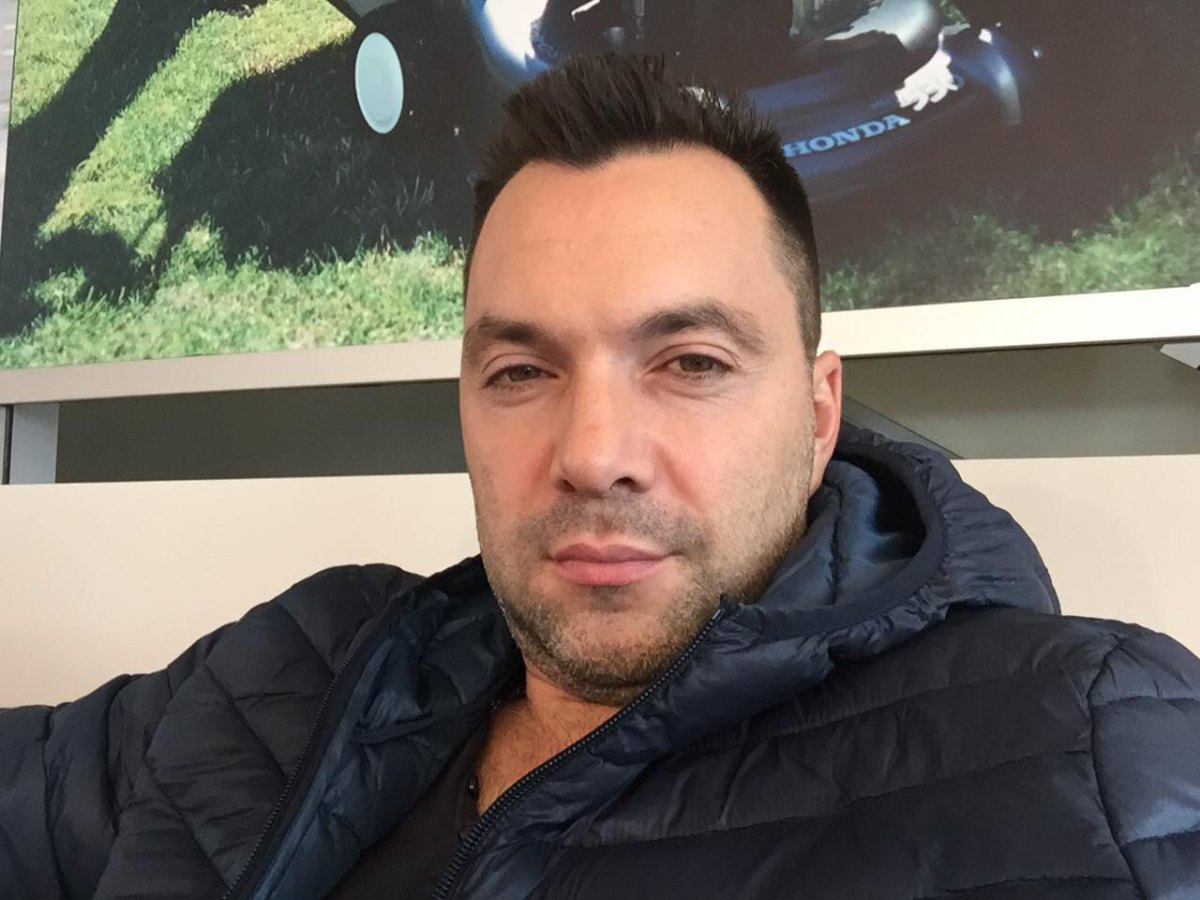
So-called “political refugees” such as Arestovych or the blogger Myroslav Oleshko, who is also subject to sanctions, should be excluded on the grounds of non-residence, as they have not returned to Ukraine for several years. However, Andriy Mahera warns that there is a risk of forged documents being used to justify legal grounds for departure — such as business trips or special assignments. “No one can guarantee that a hypothetical Arestovych will not at some point produce such a document — claiming, for instance, that he was on a business trip or crossing the front line. That could become a serious problem,” he says.
If there is a court conviction, matters are more straightforward, agrees Olha Ayvazovska: a convicted individual cannot stand for election. However, criminal proceedings may take considerable time, which is why the working group is also discussing alternative vetting mechanisms.
The ‘soft lustration’ model currently appears to be a compromise solution. “If a person voluntarily discloses any possible links with Russia, this information is included in their CV, allowing voters to assess it. If the information is incomplete or false, the individual is refused registration as a candidate,” explains the head of Opora.
Serhiy Dubovyk, deputy chair of the Central Election Commission, says that while there are multiple safeguards against the participation of individuals who have collaborated with Russia, “the final decision will rest with parliament and society”.