






Why Europe needs Ukraine's experience
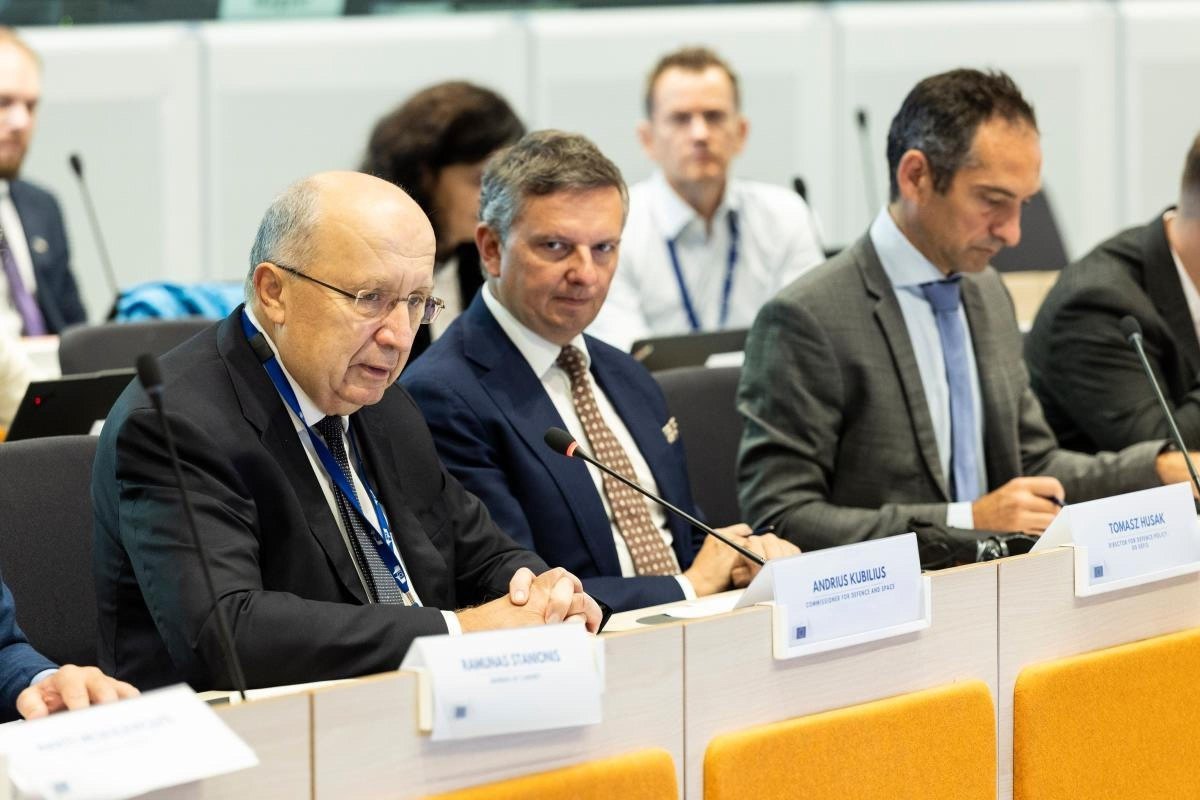
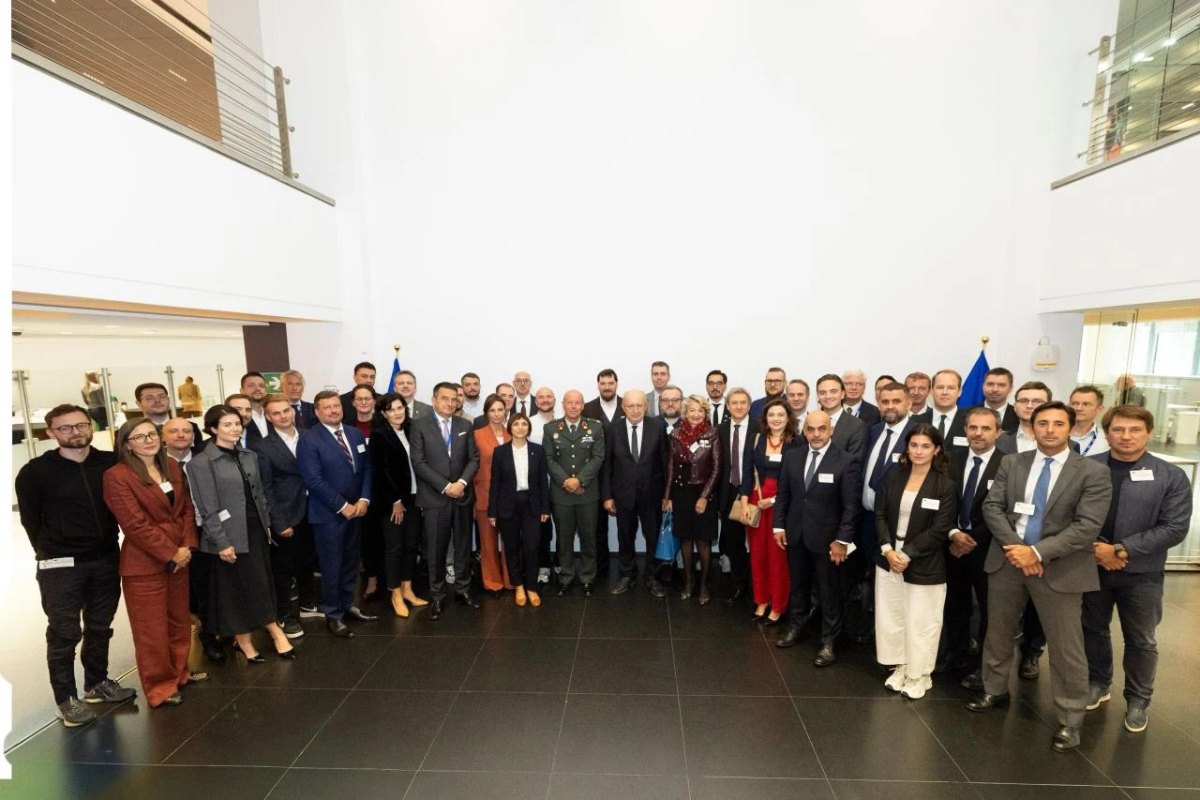
Opening the meeting, Andrius Kubilius, the European Commissioner for Defence and Space, put Europe's request plainly: to learn from Ukraine how to scale up production quickly, shorten development cycles, and build a constant feedback loop between designers, manufacturers, buyers and soldiers at the front. He also stressed that the Alliance should become the practical embodiment of the EU-Ukraine Drone Deal – the cooperation arrangement on drones between the EU and Ukraine announced in July.
The gap in scale speaks for itself. According to the estimates Kubilius cited, EU industry produces about 1.5 million drones a year, while russian capacity allows for up to 10 million FPV drones annually. Europe needs production lines that can be brought to full capacity in weeks, not years.
The drone threat has already crossed Ukraine's border. russian UAVs violate European airspace and endanger airports, military sites and critical infrastructure. The ability to counter them has become a matter of Europe's own security.
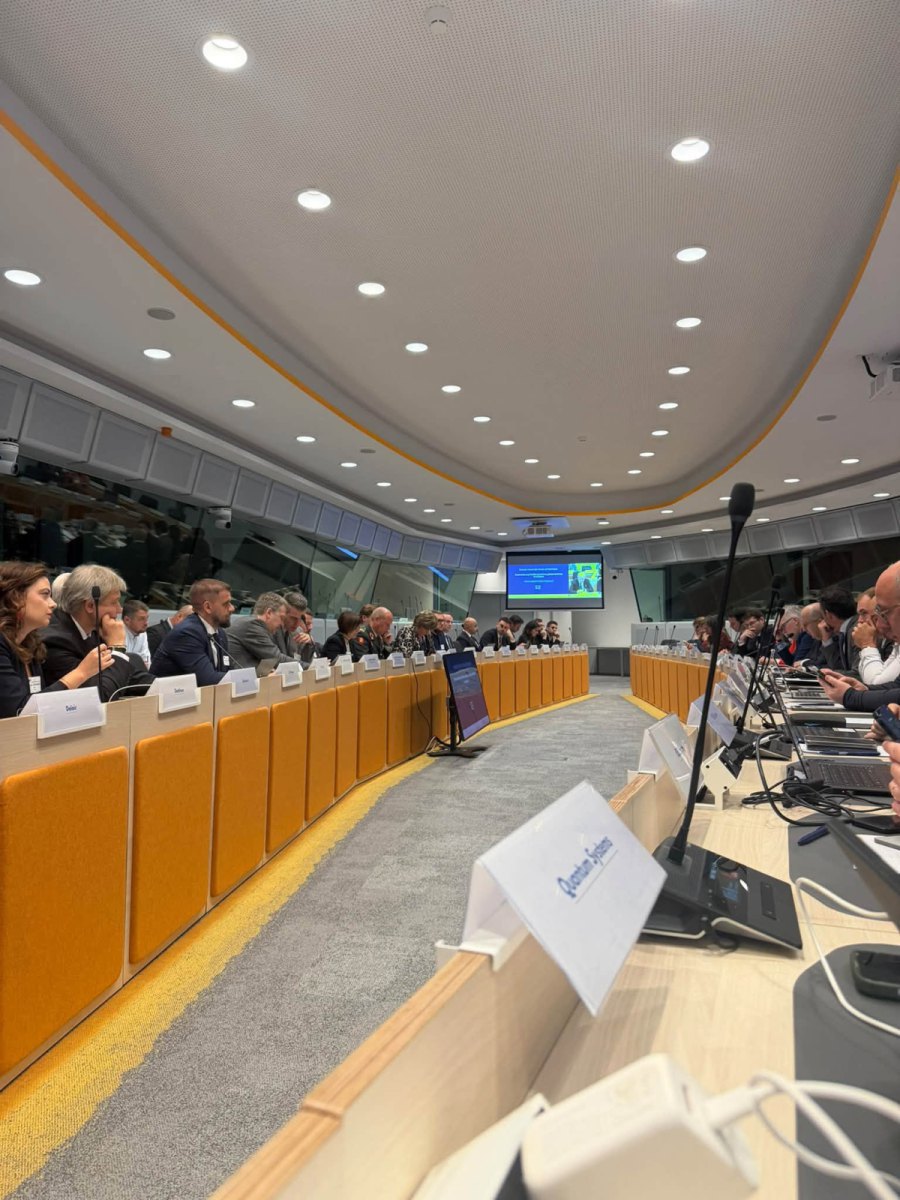
That is why the agenda was practical: joint ventures and industrial cooperation, scaling up production, supply chain resilience, joint testing and innovation. After short presentations by the founding companies, participants discussed work along these four tracks. This is where Ukrainian experience holds the greatest value today.
What struck me most was the interaction among the Ukrainian participants. Nine companies that may compete at home worked in Brussels as a single community. There was a shared sense of responsibility for the position Ukrainian industry presents to Europe.
My main takeaway from the meeting: the door is open. The question is who we walk through it as – a full player in the common market, or a guest with interesting stories from the front.
What the Drone Alliance must NOT become
The worst-case scenario is simple: Ukraine shares its experience while others build the industry. Our companies pass on wartime lessons, help shape requirements and test prototypes – while the money, serial production, technology rights and major contracts stay in the EU. A seat at the table alone does not prevent this.
The Ukrainian participants raised this directly: we must take part in setting the priorities of European defence-industrial initiatives. Behind that lies a practical ask – access to procurement and financing, participation in joint programmes, and equal rules for Ukrainian and European manufacturers.
The Alliance itself does not award contracts, and its recommendations still have to be translated into European Commission programmes and member-state decisions. Founding-member status makes it possible to shape the agenda, but market access will depend on the specific terms of programmes and procurements. That is where the work lies. I see three priorities: common rules for drones and components, equal access to European instruments, and reducing critical dependencies.
Common rules for drones and components
In a previous piece for LB.ua, I wrote about the American model – the NDAA and the U.S. Department of War's Drone Dominance Program. Put very simply, the NDAA restricts where critical components may come from, while the Blue UAS list shows government buyers which drones have already passed supply chain and cybersecurity vetting.
Europe has no single equivalent yet. Instead, there is a risk of ending up with 27 national approaches, different tests, different lists and different readings of localization. A manufacturer would spend its time proving the same things over and over in each country – while the technology moves on.
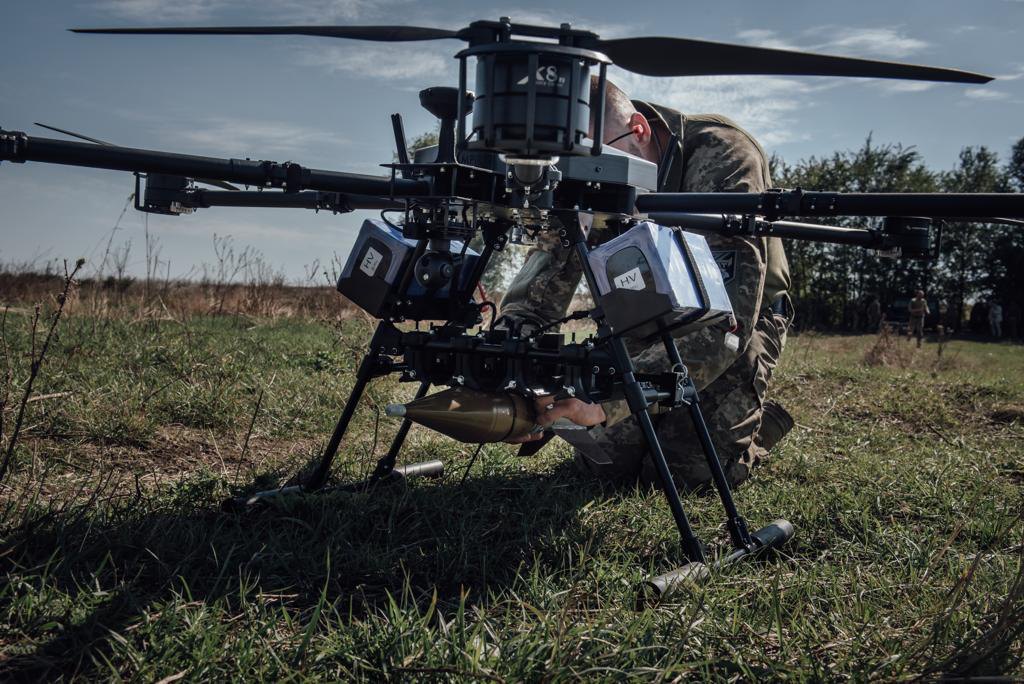
Hence the Ukrainian participants' proposal to develop an EU Drone Blueprint: common criteria for a “clean” European drone, rules on the origin of critical components, and a list of vetted systems and parts.
Europe does not need to copy the United States blindly. It needs to answer the same practical question: what can a European government buyer purchase without redundant re-checks? Ukrainian manufacturers should be part of this system from the start, so that the requirements reflect our technologies and our experience of using them.
A separate part of this work is mutual recognition of test results and qualifications where possible, and alignment of certification requirements. Ukraine's combat experience should count in such assessments.
Equal access to European instruments
The terms of new EU defence programmes should explicitly provide for the participation of Ukrainian companies and the procurement of Ukrainian products and components.
An important precedent already exists. The Ukraine Support Loan for 2026–2027 totals €90 billion, of which roughly €60 billion is earmarked for defence needs and production development. Procurement under the loan follows one rule: at least 65% of the component value of the final product must originate in the EU, the EEA/EFTA countries or Ukraine. Ukrainian components count on a par with European ones.
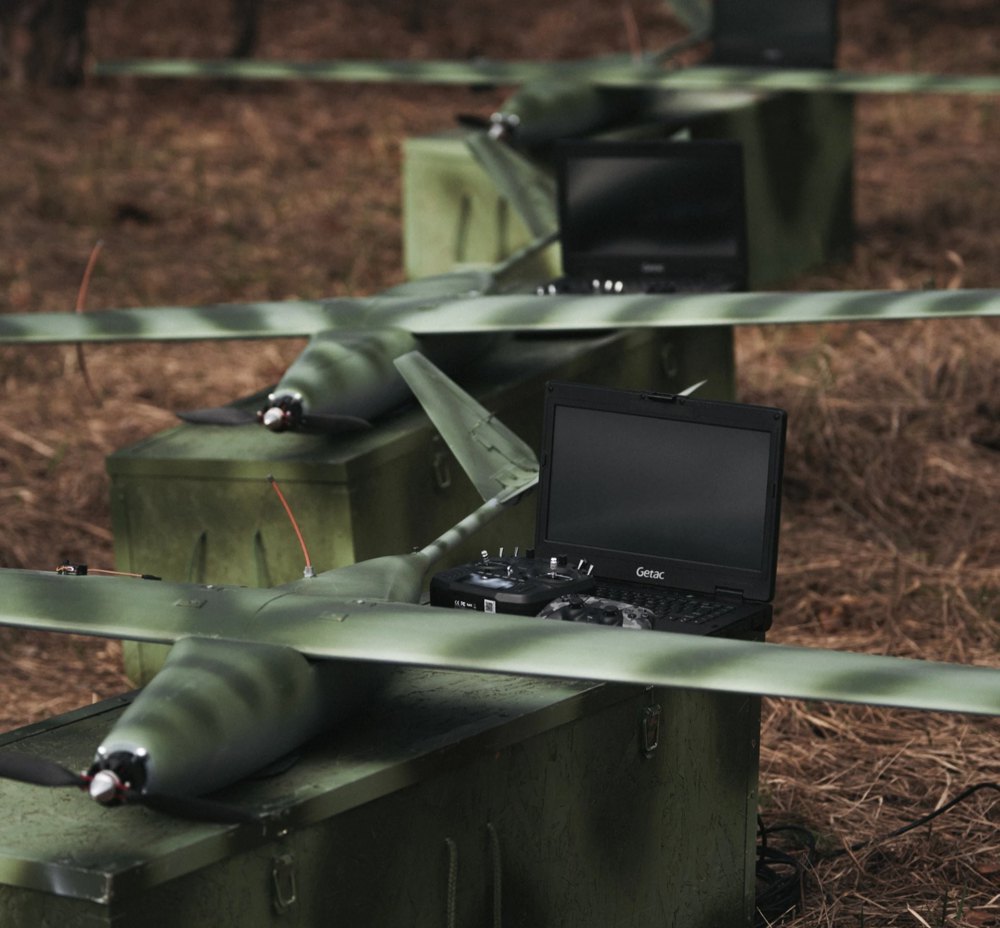
Incidentally, for Ukraine's drone industry, which still depends heavily on Chinese components, this requirement has been a tough test. In essence, it forces technological independence: to receive European funding, you must rewire supply chains and localize component production. But critical parts cannot be replaced overnight, so for some procurements of Ukrainian drones the European Commission has already had to approve exceptions. Which shows that new requirements must come with time and investment to retool production.
A similar principle applies under SAFE, which provides up to €150 billion in loans to EU member states, mostly for joint defence procurement. A Ukrainian motor, flight controller, antenna or communications module can help a European manufacturer meet the localization requirement.
The next step is to extend this approach to other European defence funds, grants, tenders and joint procurement programmes. A Ukrainian product should not count as part of the common industry in one programme and as “third-country” goods in another.
And importantly, this is not only about components. Joint European procurement should also cover finished products – the drones themselves and the systems that counter them. A Ukrainian platform with proven combat use should be able to compete on equal terms in EU joint procurement.
How to reduce dependence on Chinese components
A resilient supply chain cannot be built on restrictions alone. Ban Chinese battery cells, magnets, flight controllers, motors, cameras or thermal-imaging modules tomorrow, without alternatives available at the required scale, and the result will be shortages, higher prices and slower deliveries to the front.
The meeting also heard a proposal to create a working group on supply chain resilience and the reduction of critical dependencies. Its logic is simple: tighten origin requirements for components step by step, while financing the production of European and Ukrainian alternatives in parallel. New localization thresholds should take effect only once vetted suppliers and clear multi-year demand exist.
Europe needs to invest in more than final drone assembly. It needs its own – and Ukrainian – manufacturers of video cameras, thermal imagers, motors, turbojet engines, controllers, radio modules, optics, batteries, circuit boards, fibre optics and strategic materials. In time, Ukrainian companies should get the chance to supply these components to the entire European market.
That requires predictable demand. Without multi-year procurement, a new component manufacturer can hardly compete with cheaper mass-market alternatives. Origin requirements must be matched by orders, grants, loans and investment in production capacity.
What the Alliance should ultimately deliver
The EU-Ukraine Drone Alliance is only getting started. The next Board meeting is scheduled for November.
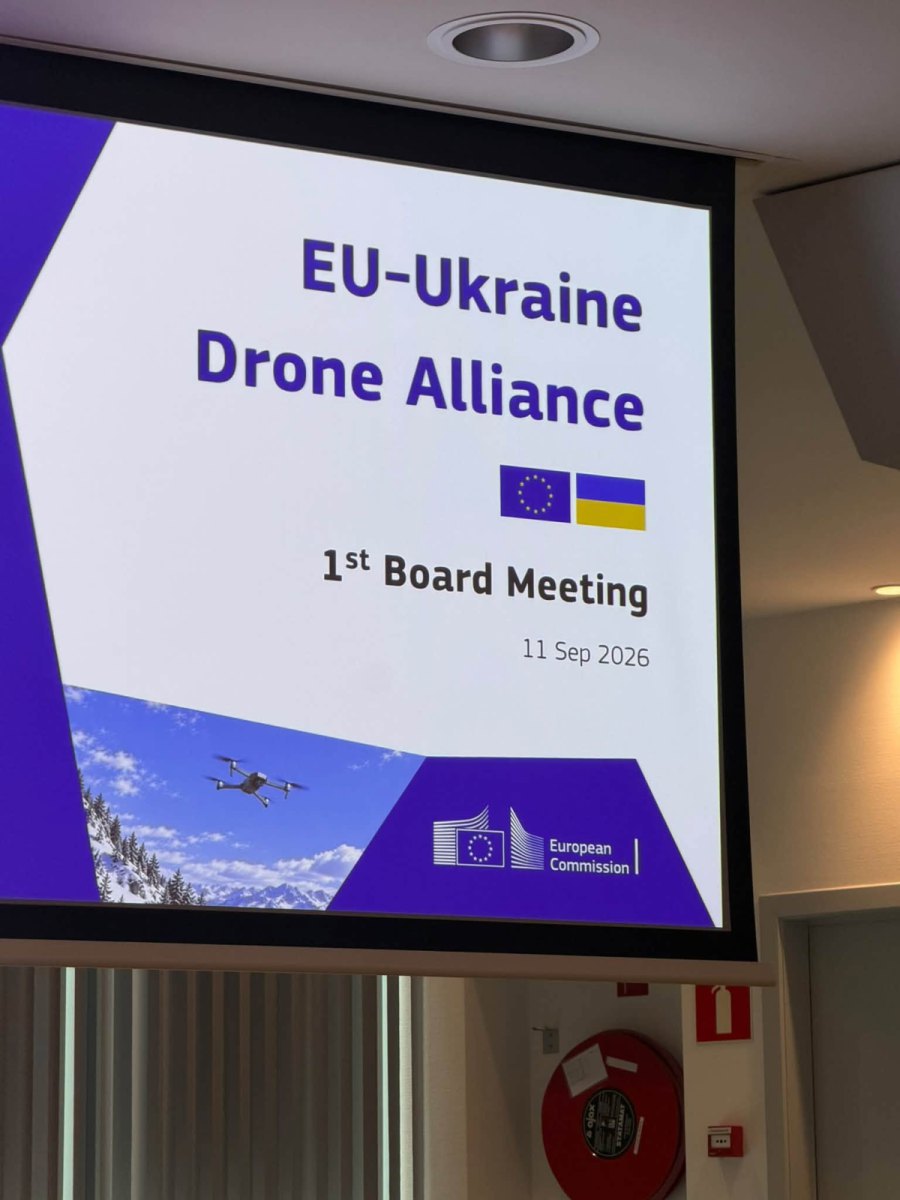
The Alliance itself is a platform. Its real value for Ukraine will be determined by whether it helps our companies gain access to European programmes, orders, investment and technology. Every signed contract and every production line launched should strengthen our ability to supply Ukraine's Defence Forces.
The Alliance's success should not be measured in meetings and communiqués. The real indicators are Ukrainian systems on European lists of vetted products, Ukrainian companies in EU programmes, joint production lines, access to financing, and critical dependencies replaced with real European-Ukrainian capabilities.
Our experience has been paid for at too high a price to end up as a slide deck for European conferences. It must turn into orders for Ukrainian companies, new factories, jobs, access to capital and a say in the rules of the common market.
Then the line about Ukrainian drones joining the EU first will stop being just a catchy headline. Drone integration will become a driver of the larger European integration – first for the defence industry, and in time for the whole country.