




On this year’s exhibition themes
What topics featured in this year’s programme? What was discussed most actively, and what were the main points of debate?
I would highlight several overarching themes. The first is, undoubtedly, unmanned systems, autonomy and counter-drone capabilities. But importantly, the discussion has long moved beyond the drone itself as a product. It is about how to integrate unmanned systems into the overall architecture of the battlefield, how to build layered counter-drone defences, and how to combine sensors, electronic warfare, interceptors, low-cost missiles and other effectors.
The second major theme is manufacturing capabilities. Europe is now talking extensively about production independence, localisation, increasing output and resilient supply chains. In other words, the question is no longer simply which system to procure, but whether Europe itself can produce the weapons it needs in sufficient quantities and quickly enough.
And the third major area is international cooperation: joint and licensed production, technology partnerships, financing and the establishment of manufacturing capacity across countries. This also closely reflected what Ukrainian companies came to MSPO to pursue.
Has the focus changed compared with last year? What are Europeans talking about differently now than they were a year ago?
I would not say there has been a radical shift. Drones, air defence, technology transfer and Ukraine’s experience were important topics last year as well. But the level of the discussion has changed.
A year ago, there was a lot of talk about how the war was changing and which technologies were becoming critical. Until fairly recently, simply being battle-proven was a significant competitive advantage. Today, for Ukrainian defence tech, this has largely become a baseline expectation.
The next question is how to scale all of this. How do you move from a successful prototype to tens of thousands of units? How do you integrate the technology into the military system? How do you finance production, ensure interoperability and avoid dependence on a single external supplier? Can it be integrated into other systems and production localised in Europe?
So, if last year there was a lot of discussion about how the war was changing technology, now there is increasingly more focus on how to turn battlefield innovation into industrial capability.
And this is probably one of the main shifts we saw at MSPO: a strong product and even proven battlefield effectiveness are no longer enough. The next level of competition is about scale, manufacturing reliability, integration and international cooperation.
How often did Ukraine come up, and was it discussed as a subject in its own right or as a case study based on its experience?
Ukraine was both a case study and a subject in its own right, but for me, the latter is particularly important.
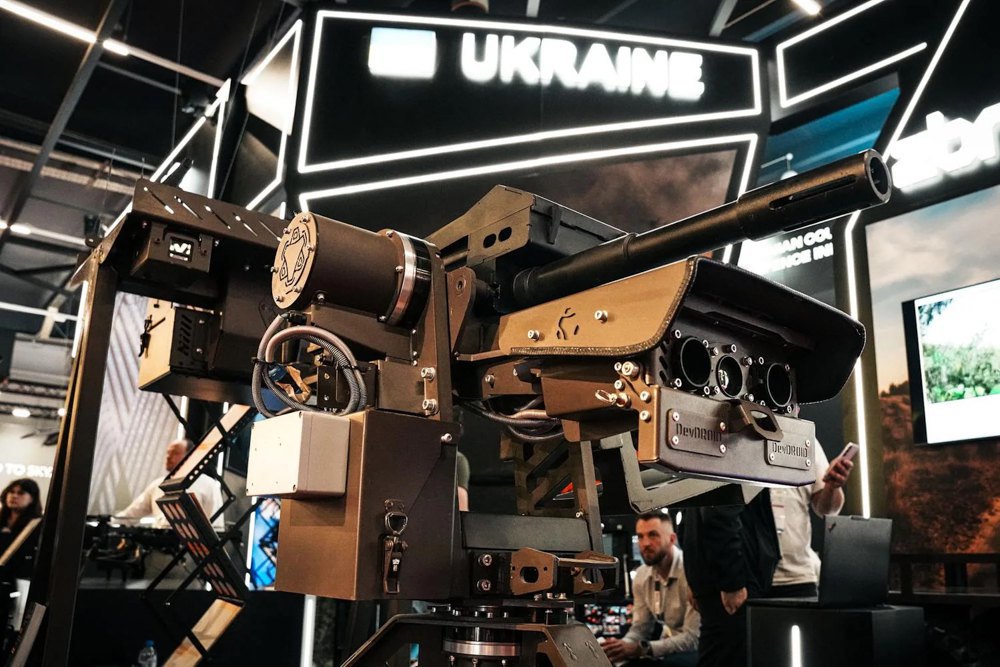
Yes, Ukrainian experience is constantly being analysed: the use of drones, electronic warfare, counter-drone defence and the pace of technology development. But at the same time, Ukraine was represented as an industrial partner. There was a dedicated Canadian-Ukrainian defence industry meeting, a major Polish-Ukrainian forum, and Ukrainian manufacturers spoke about long-range systems, FPV drones, interceptors, maritime and ground unmanned systems, and joint production models.
This is an important evolution. Ukraine is gradually moving from being a country whose experience is studied to being a country that can directly offer partners technologies, expertise and production models.
What conclusions are Europeans drawing from our experience? What are they ready to adopt, and what do they reject as unsuitable for them?
I would not speak of a single European position here, because different countries have different armed forces, budgets and doctrines.
In most Western countries, the process of doctrinal and industrial adaptation is moving fairly slowly, partly because of the expectation that if their country were to go to war, the nature of the battlefield would be different, and partly because they have an established large industrial base that is difficult to shift onto a different footing in the absence of a direct threat. As a result, “traditional” weapons still dominate military and industrial planning.
It is clear that partners are trying to adopt Ukraine’s speed of adaptation. They are also looking very closely at layered counter-drone systems, the combination of expensive and low-cost effectors, the use of electronic warfare, data-driven operations and direct interaction between manufacturers and the military.
At the same time, no one can simply copy the Ukrainian model one-to-one. Ukraine is fighting under highly specific conditions and has often been forced to develop solutions because of resource constraints. That is why NATO is now also conducting institutional “assessment of applicability” – looking at which Ukrainian lessons can be transferred to their systems and which need to be adapted.
What are European manufacturers offering in the field of counter-drone systems and short-range air defence?
This was one of the most prominent technological themes at the exhibition.
It seems to me that the key change is that almost no one is looking for a single universal “counter-drone system” anymore. The approach is becoming layered: first, the target needs to be detected and classified; then the command-and-control system must determine the cheapest and most effective way to engage it – electronic warfare, an interceptor drone, small arms, a low-cost missile, a laser or “conventional” air defence.
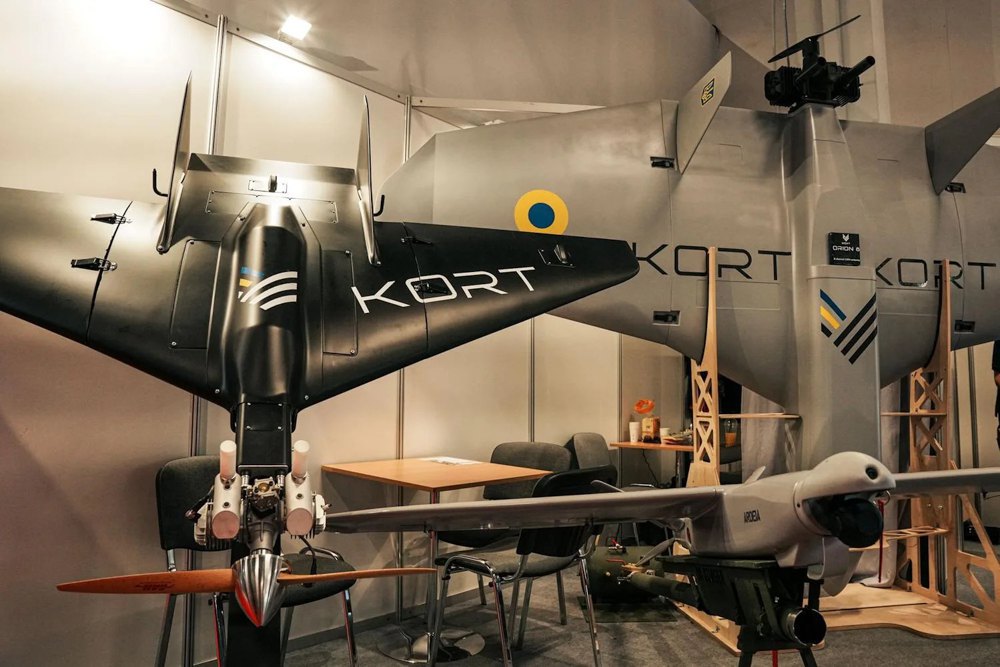
At MSPO, we saw new interceptor drones, specialised radars and low-cost missile solutions. For example, MBDA and Poland’s WITU announced cooperation on the Counter Mass Interceptor, specifically designed to counter mass aerial threats.
And this is directly linked to Ukraine’s experience: you cannot respond to a drone costing tens of thousands of dollars with a missile worth millions. A different interception economics is needed. At NATO level, this has already become a major investment area – the Alliance has announced more than $40 billion in investments in counter-drone capabilities over five years.
The programme included the First International Forum of Societal Resilience Leaders. What was discussed there, and how relevant was it to us?
The discussion focused on whole-of-society resilience – the idea that preparing for war or a major crisis cannot be the responsibility of the military alone. It involves cooperation between the state, local authorities, businesses, critical infrastructure and civil society, as well as civil protection, cybersecurity and information resilience.
I find this topic highly relevant, although it goes beyond the defence industry.
For Ukraine, there is also an interesting shift in roles. Much of this experience has already developed in practice because the country has been living through a full-scale war for more than four years. Europeans are now trying to institutionalise this experience before a crisis occurs by creating rules, reserves and procedures for cooperation. The Nordic countries adopted a comprehensive defence approach after the Second World War, while many other European states are only now beginning to take this seriously.
For us, it is therefore interesting to see how our practical experience can be turned into sustainable systems.
How many Ukrainian companies were represented at MSPO this year, and in what format?
More than 40 Ukrainian manufacturers were represented at MSPO this year.
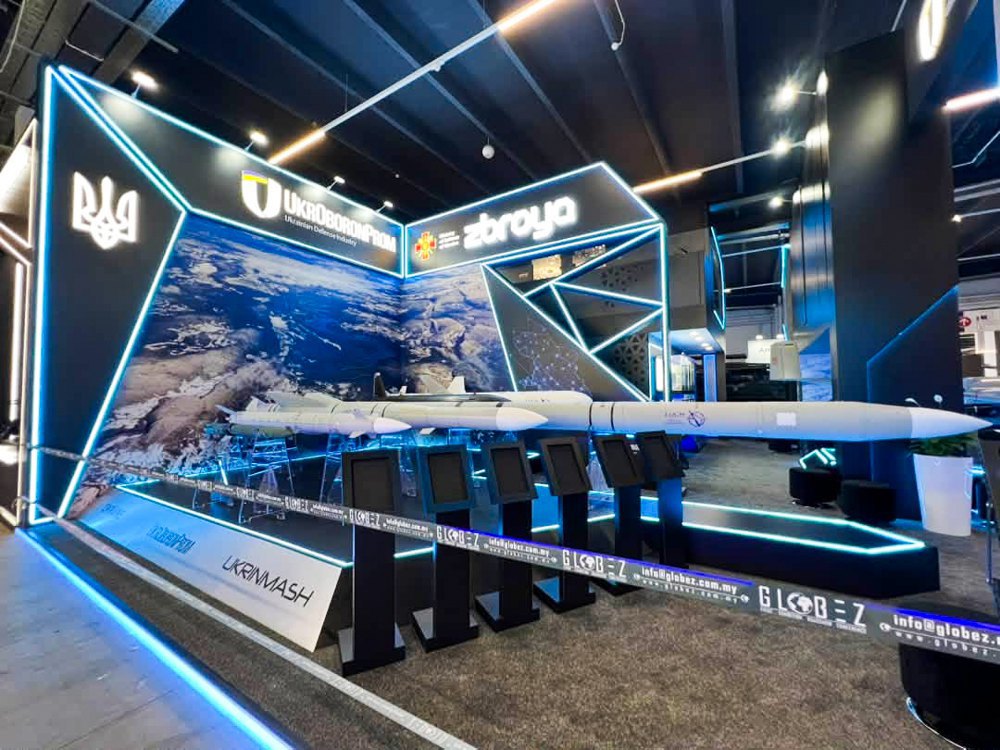
We brought 15 companies together at the Ukrainian Council of Armourers’ ZBROYA stand. The concept of the stand itself was important to us, as we wanted to showcase a cross-section of Ukraine’s private defence industry as an ecosystem.
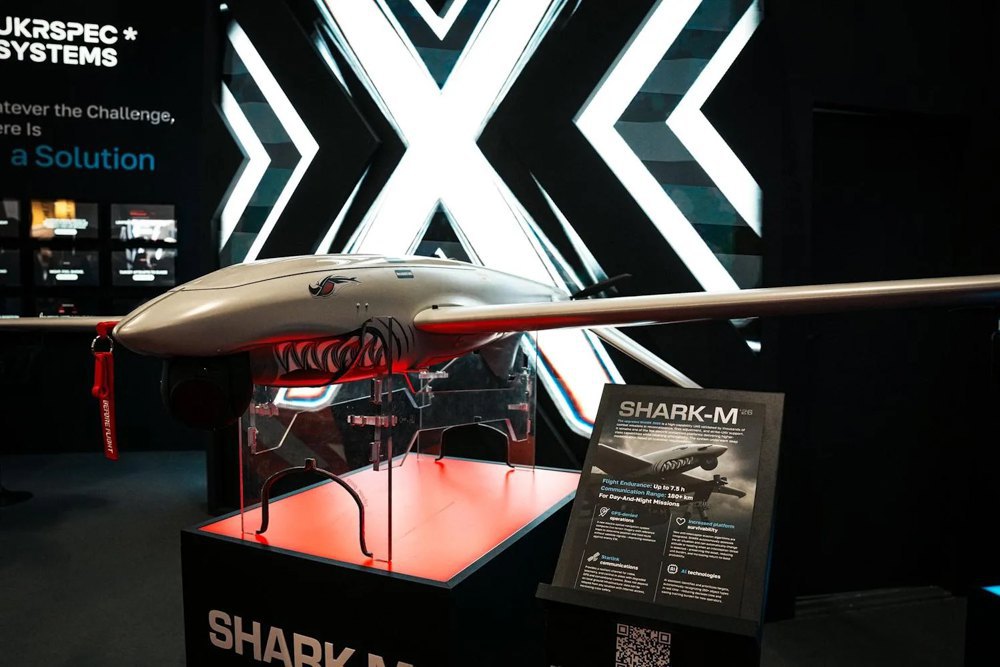
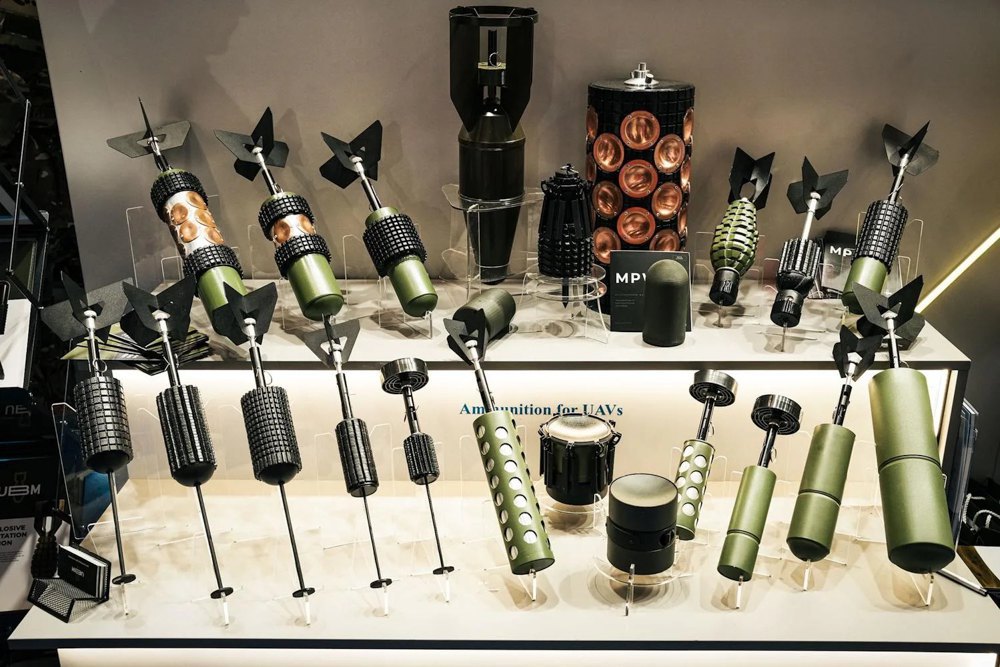
The stand featured solutions for strike and interception, FPV and fibre-optic systems, ground robotics, electronic warfare and counter-UAS, autonomous navigation and AI, simulation and protection.
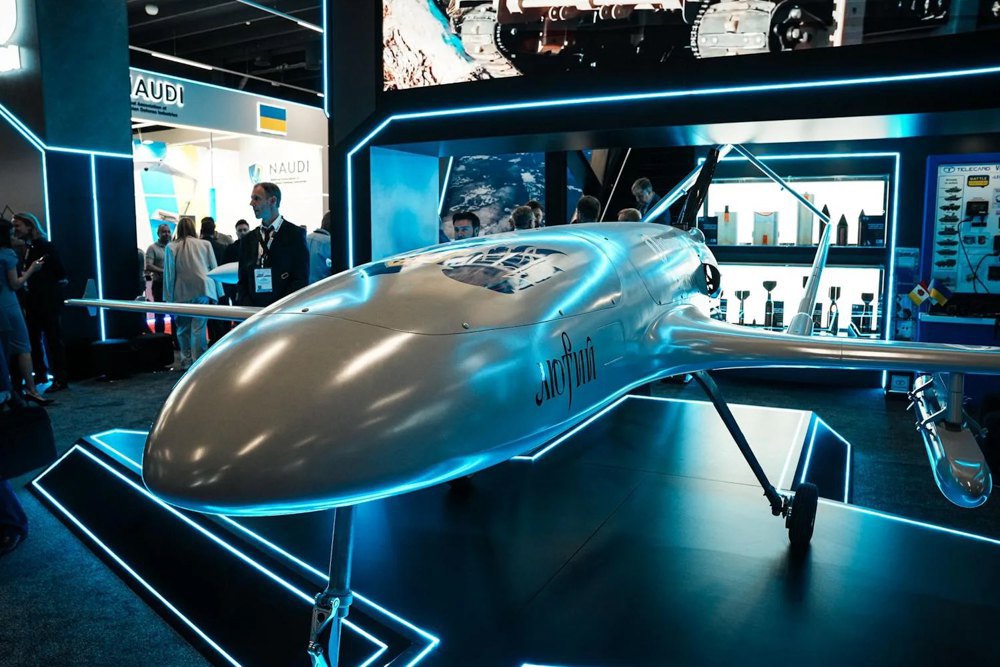
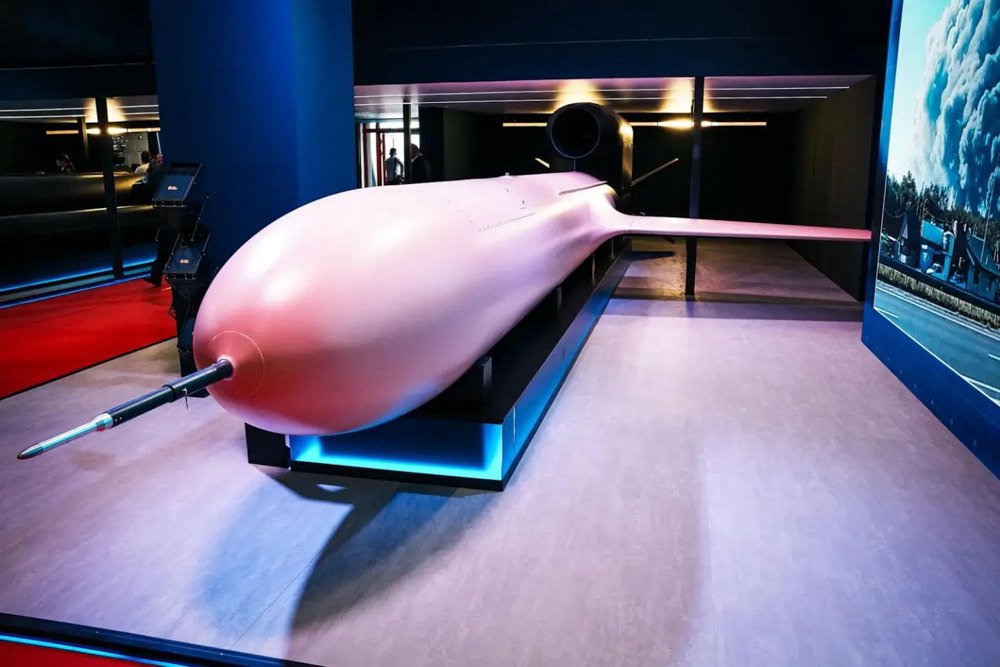
Other private Ukrainian manufacturers had their own stands or were represented in other joint formats. For example, Fire Point had a large standalone exhibition. State-owned companies were brought together at the ZBROYA stand of Ukroboronprom.
What contracts and memoranda were agreed? Are there any specific agreements that can already be discussed?
I would be cautious here, because far from all manufacturers’ negotiations are public, and not all companies announce the results of an exhibition immediately.
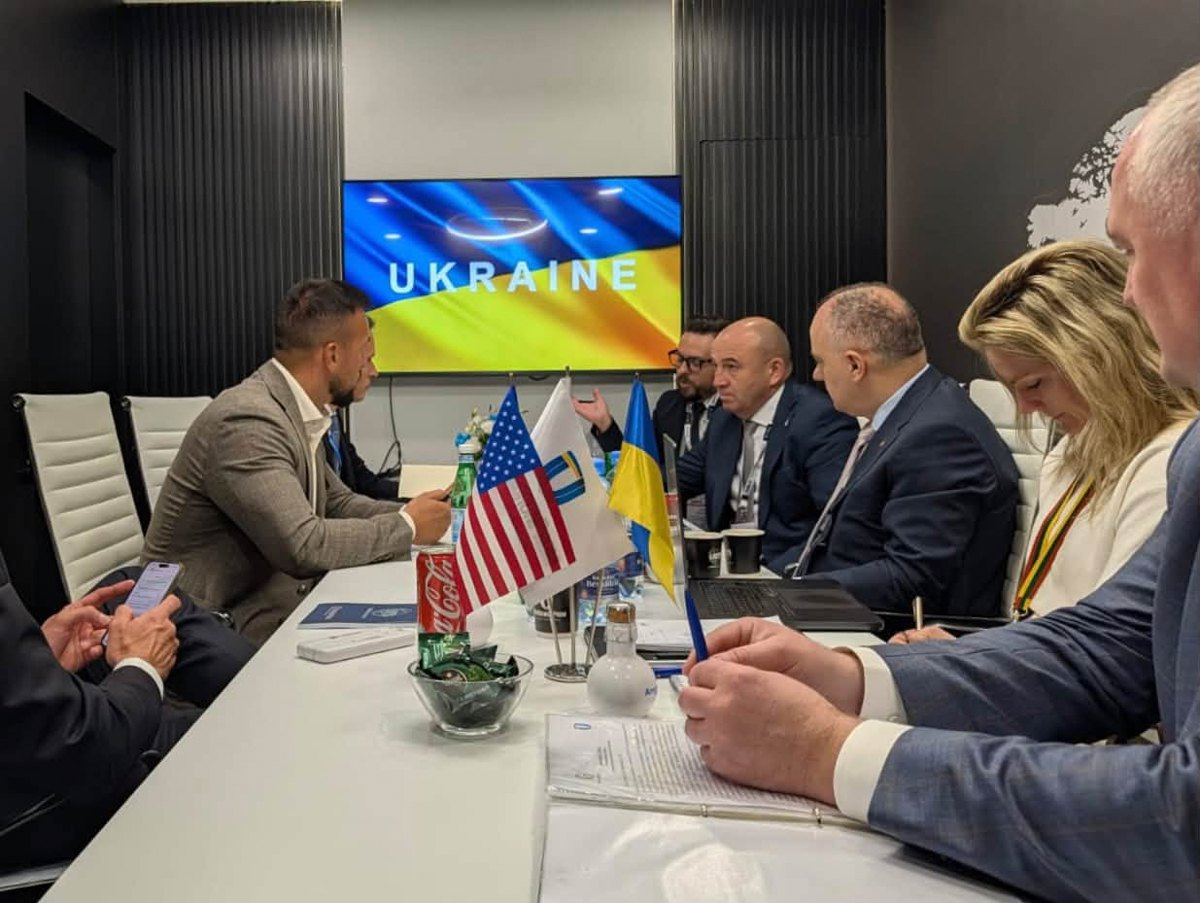
But there are specific agreements that can already be discussed. For example, right at our stand, Ukrainian-Estonian DoD Solution and Estonia’s DefSecIntel signed a memorandum of cooperation on drone detection and interception. The next step is to integrate the technologies and conduct joint trials in Ukraine, Estonia and other European countries.
Poland’s WCBKT and the Lviv State Aircraft Repair Plant also signed an agreement on cooperation in the production of ground support equipment for the Ukrainian Air Force.
But I would not assess the outcome of MSPO solely by the number of MoUs signed during those four days. For many manufacturers, the most important discussions concerned joint production, technology integration and entering European supply chains. Some of these negotiations will bear fruit after the exhibition.
Since 1 July, not a single permit has been issued under the new export procedure, known as Fast Track. Was this discussed at the exhibition?
It is important to distinguish between two mechanisms here.
On 1 July, the government launched a special controlled-export mechanism under Resolution No. 875. Work is currently under way to improve it. As the Ukrainian Council of Armourers, we have also submitted comments and specific proposals on how the mechanism could be made more practical for manufacturers.
At the same time, the standard procedure for obtaining controlled-export permits remains in place, and permits are being issued under it. Therefore, the claim that Ukraine has not issued a single export permit since 1 July is not entirely accurate. The first permits after the resumption of controlled exports were issued as early as February 2026.
The question concerns the new special mechanism specifically – how practical, fast and competitive it will be for Ukrainian manufacturers. And we are continuing the dialogue with the government on this.
Read alsoForces Ukraine executive director on broken fast track and expectations from Defence Ministry
Canada’s role
Canada was the lead country at this year’s exhibition. What did that mean in practice – the scale of its exhibition, the level of its delegation and the content of its presentations?
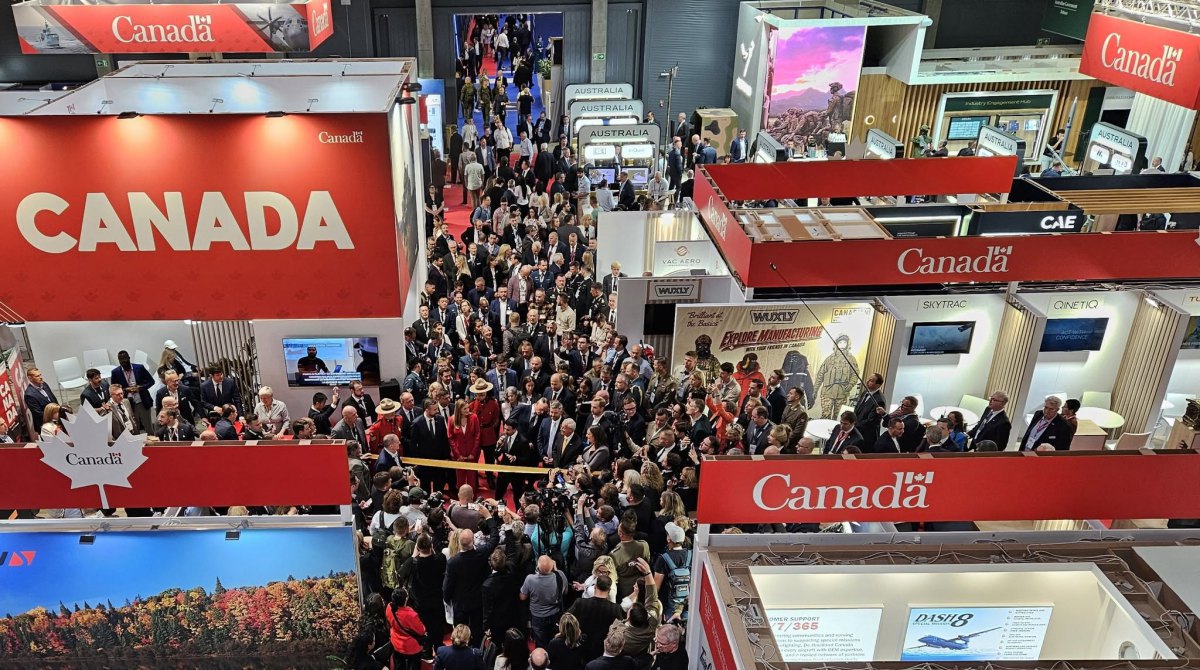
It was very noticeable. Being the Lead Nation this year meant more than simply having a large national pavilion.
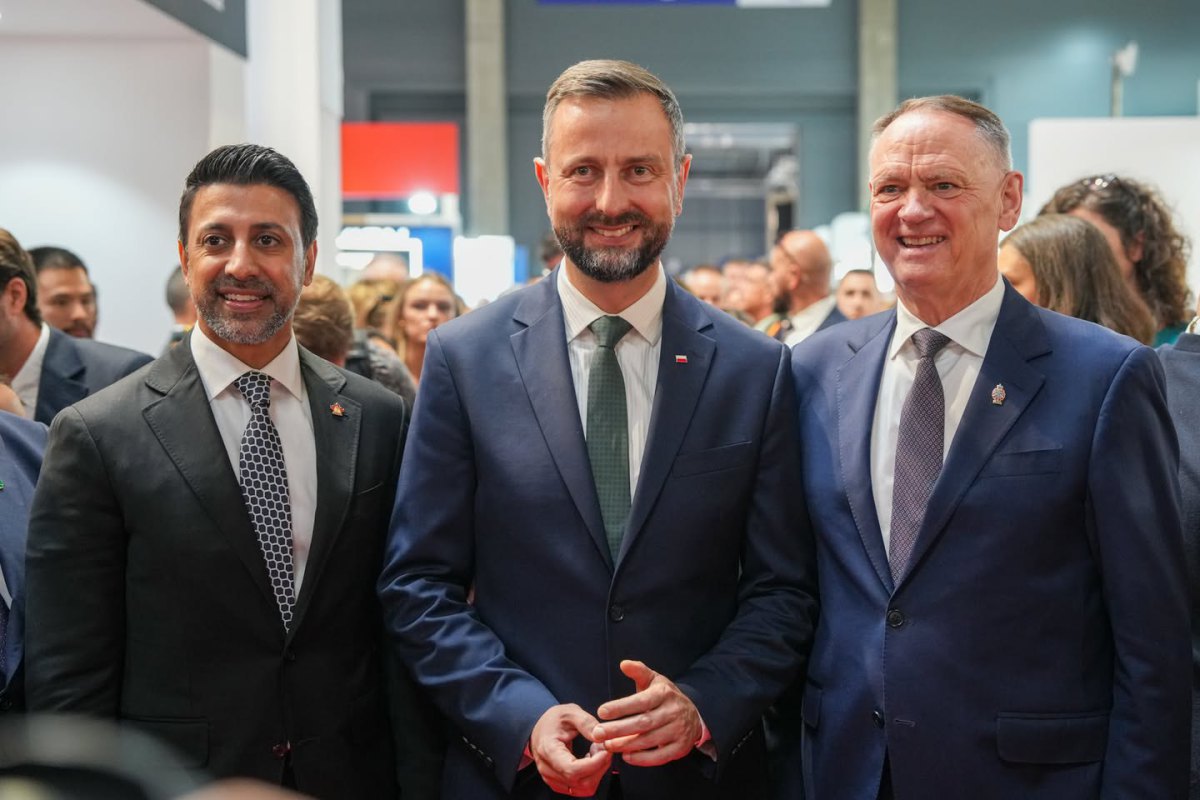
The wider Team Canada delegation included more than 200 organisations and almost 500 representatives from business and different levels of government. It included Canadian Defence Minister David McGuinty, Minister of International Trade Maninder Sidhu, and representatives of government financial and export institutions.
In addition to the large Canada Pavilion, they organised a separate Lead Nation Conference, a B2B programme and a closed session on Canadian-Ukrainian defence industry cooperation. We work systematically with the Canadian side and, in particular, invited our member companies to these events to meet new partners.
So it looked like a very systematic government approach: political presence, industry, export promotion, financial instruments and the search for international partnerships all at once. Following MSPO, the Canadian side reported that more than 20 memoranda had been signed.
Read alsoUkraine and Canada agree major drone deal and participation in FREYJA anti-ballistic project
What technologies did Canada bring, and what could be of interest to Ukraine?
The Canadian exhibition was very diverse, ranging from aerospace, maritime technologies and unmanned systems to optics, secure communications, AI and training systems. For Ukraine, in my view, what is interesting is not so much any single product as the structure of their industry. Canada has many strong enabling technologies – sensors, optics, software, secure communications, training systems and energy solutions. These are technologies that can be integrated into Ukrainian platforms.
One interesting example is the Maplewing FPV OWA, which the Canadians have already developed with Ukraine’s battlefield experience in mind. This is a good example of what our cooperation could look like: not a model in which Ukraine simply buys a ready-made foreign product, but one in which our operational experience influences the development of a new product, which the two sides can then scale up together.
How do the Canadians themselves, judging by their speeches and presentations, describe their role in European security?
Their main message was fairly consistent: Canada wants to be not an external seller to Europe, but part of the transatlantic defence-industrial and security system.
At MSPO, there was a lot of discussion about resilient supply chains, industrial cooperation, joint production, investment and the integration of Canadian companies into European programmes.
And after MSPO, we saw another practical step in this direction: Canada officially applied to join the UK-led Joint Expeditionary Force (JEF).
For Ukraine, this is also a significant signal. It is not simply about selling Canadian products on the European market, but about much deeper integration of Canada into Europe’s security, production and cooperation system.
Canada is the first non-European country to join SAFE. How was this discussed, and what does it mean in practice?
This is indeed a very important precedent.
SAFE is a €150 billion EU mechanism to support joint defence procurement by member states and boost production capabilities. Canada itself is not eligible to receive SAFE loans – only EU member states can access them. Instead, the agreement allows Canadian companies and products to participate in procurement financed by EU member states through SAFE. According to the Canadian government, the share of such contracts going to Canadian industry can reach 80% of the contract value.
This is also an interesting example for Ukraine. First, Ukraine can already participate in joint procurement under SAFE. Second, partnerships with companies integrated into European procurement mechanisms could open up additional models of cooperation for Ukrainian technologies.
More broadly, this once again shows the trend: Europe’s defence market is becoming much more integrated, which means Ukrainian manufacturers need to do more than simply export individual products – they need to integrate into this new industrial architecture.