





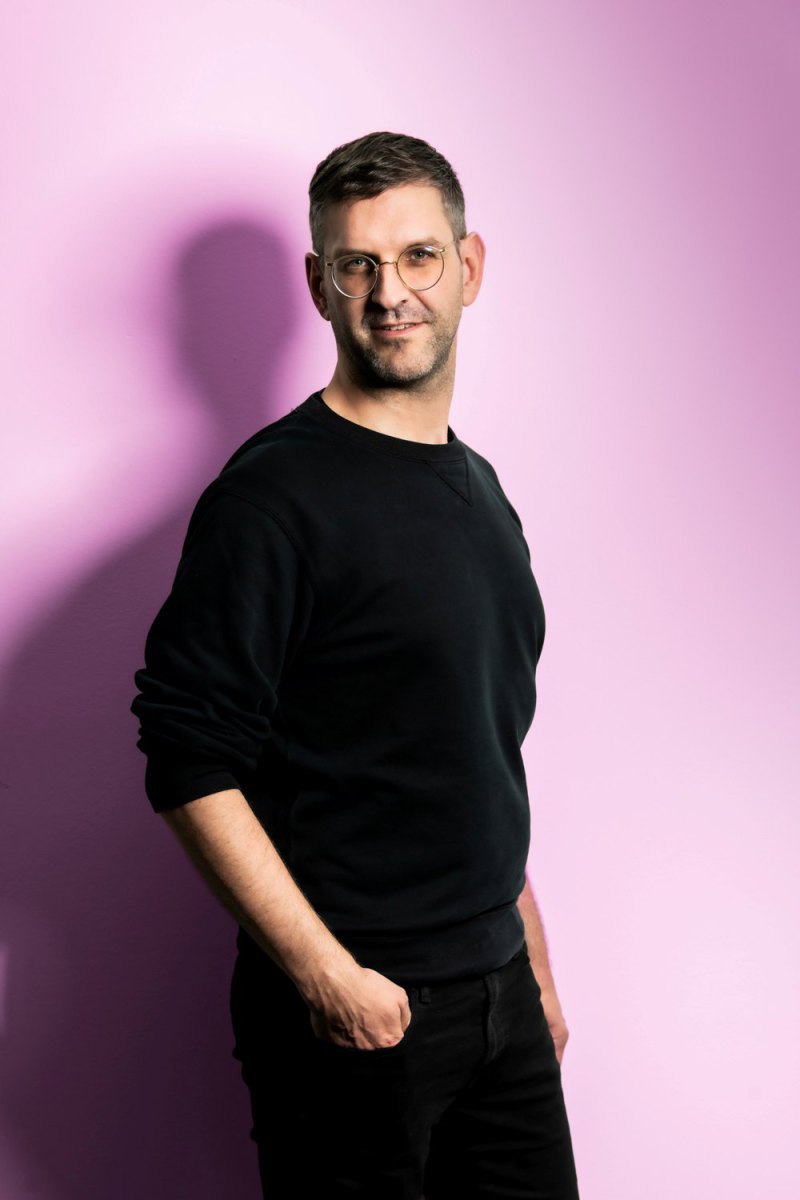
As the new Artistic Director of Neuköllner Oper, what core artistic direction would you like to implement, and why did you choose this theatre to do it?
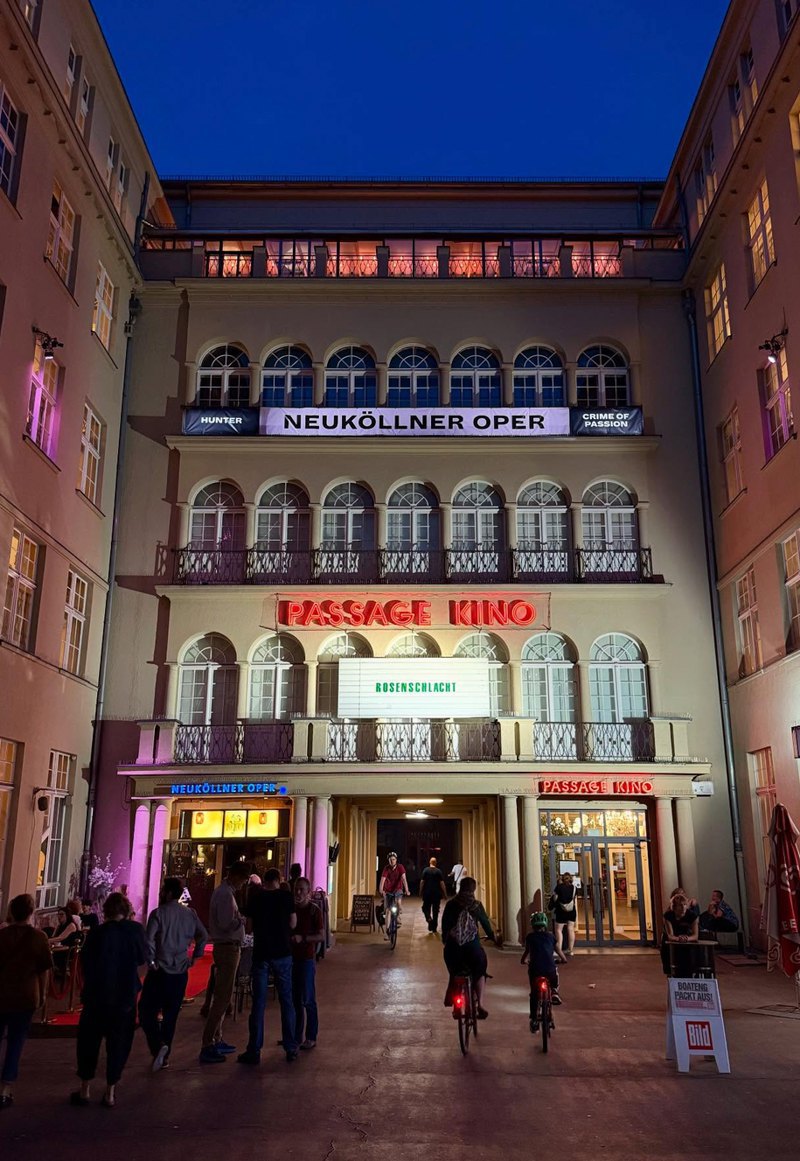
That’s a huge question already. The history and the profile of Neuköllner Oper are rooted in folk music theatre, meaning popular, accessible, very direct music theatre for which you don’t need a lot of prior information. You can go there and have a good time. Even though it is sometimes very experimental and avant-garde, people should still be able to come here and enjoy themselves without having read Michel Foucault, Derrida, or whatever beforehand. They shouldn't need formal training in opera; they should just come in.
This is the folk music theatre tradition. At the same time, it has been a very experimental stage since it was founded. That is the balance: between being accessible and being experimental.
In the third decade of the 21st century, I think it’s very interesting to ask: what does "popular" mean today? You cannot talk about popular avant-garde music theatre without acknowledging the vast field of global pop culture. Pop culture is inherently popular and accessible, yet within it, there is so much experimental work happening. You can look at Frank Zappa, David Bowie, Björk—artists who worked in the popular realm while constantly pushing boundaries.
That mindset is what we are interested in. It’s not specifically about David Bowie or Frank Zappa—though we are staging a concert with Bowie’s music this season—it’s about the direction. First: to be rooted in pop culture while continuing to do experimental work. Second: to truly consider what Neukölln means. We shouldn't just program for an abstract audience from anywhere, but reflect on the neighborhood itself: who lives here? How do you connect with your immediate communities as an arts institution? Those two questions are our starting point.
Why did you decide to invite Opera Aperta to open the season, and how do you think the audience will perceive this gesture?
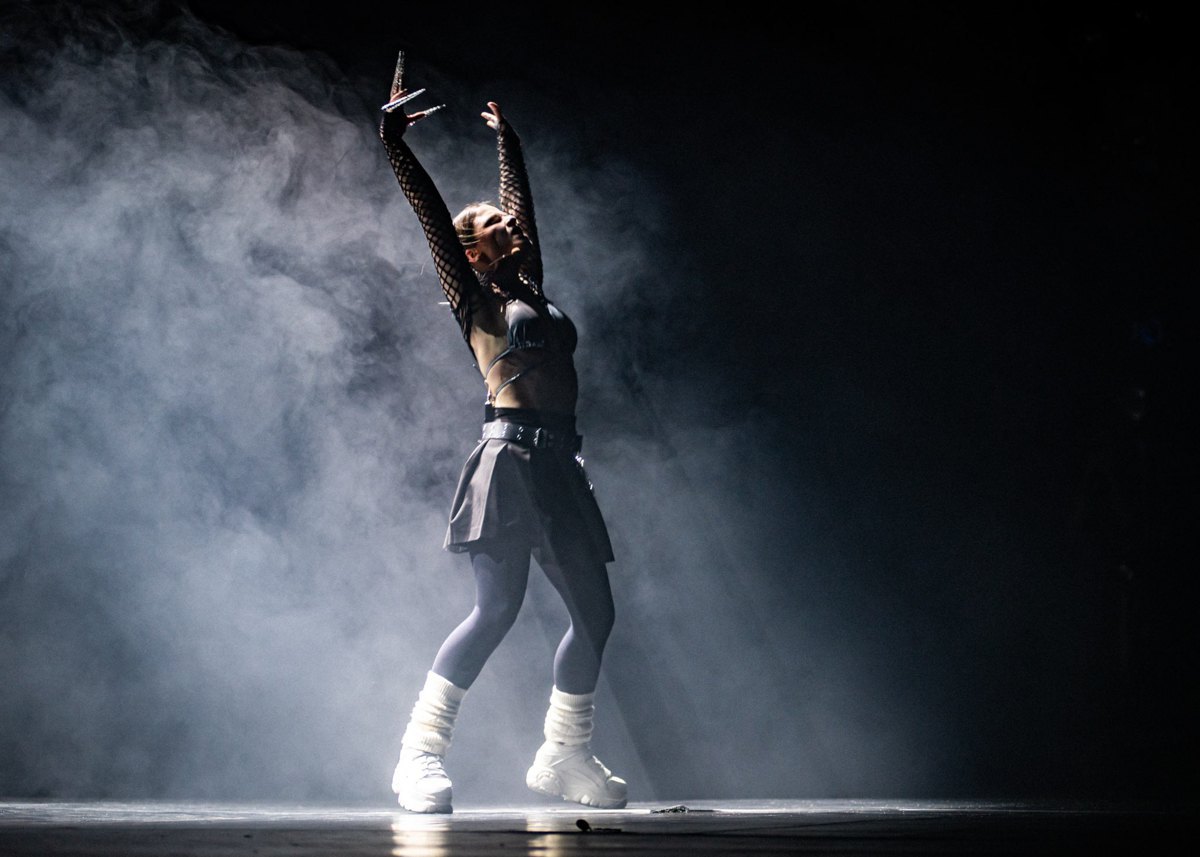
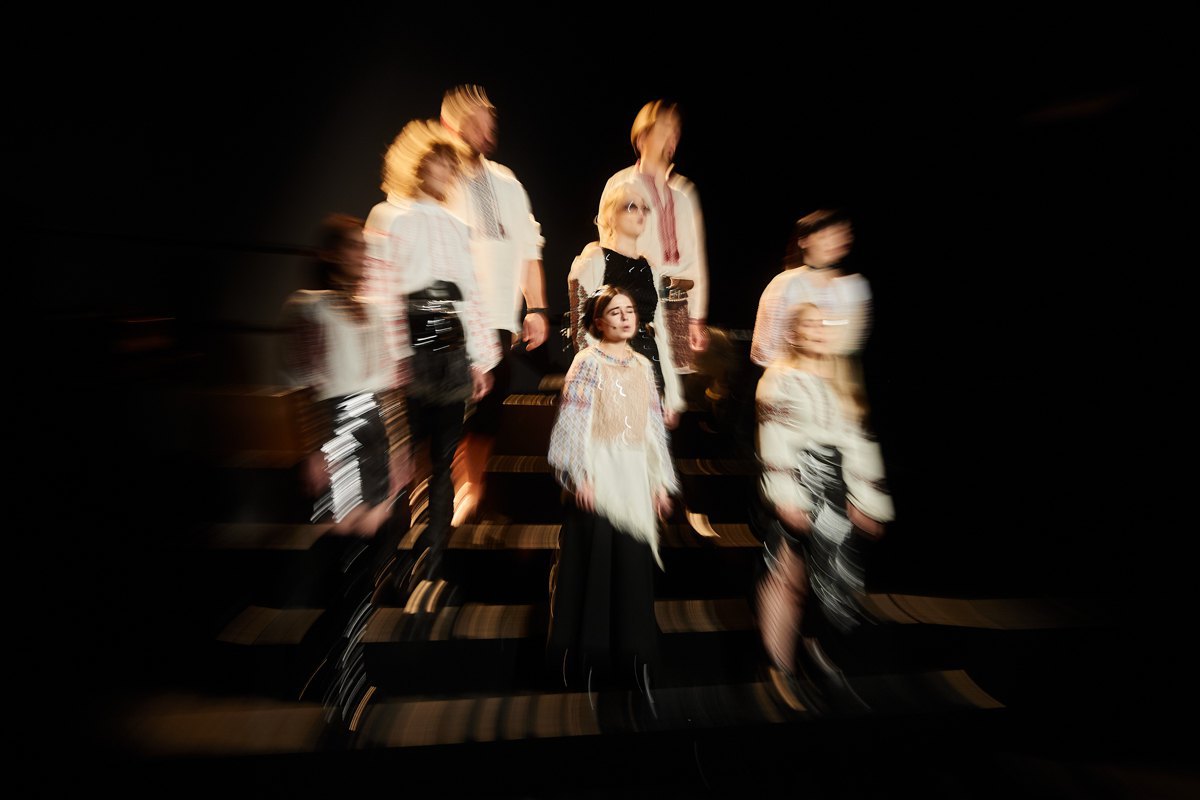
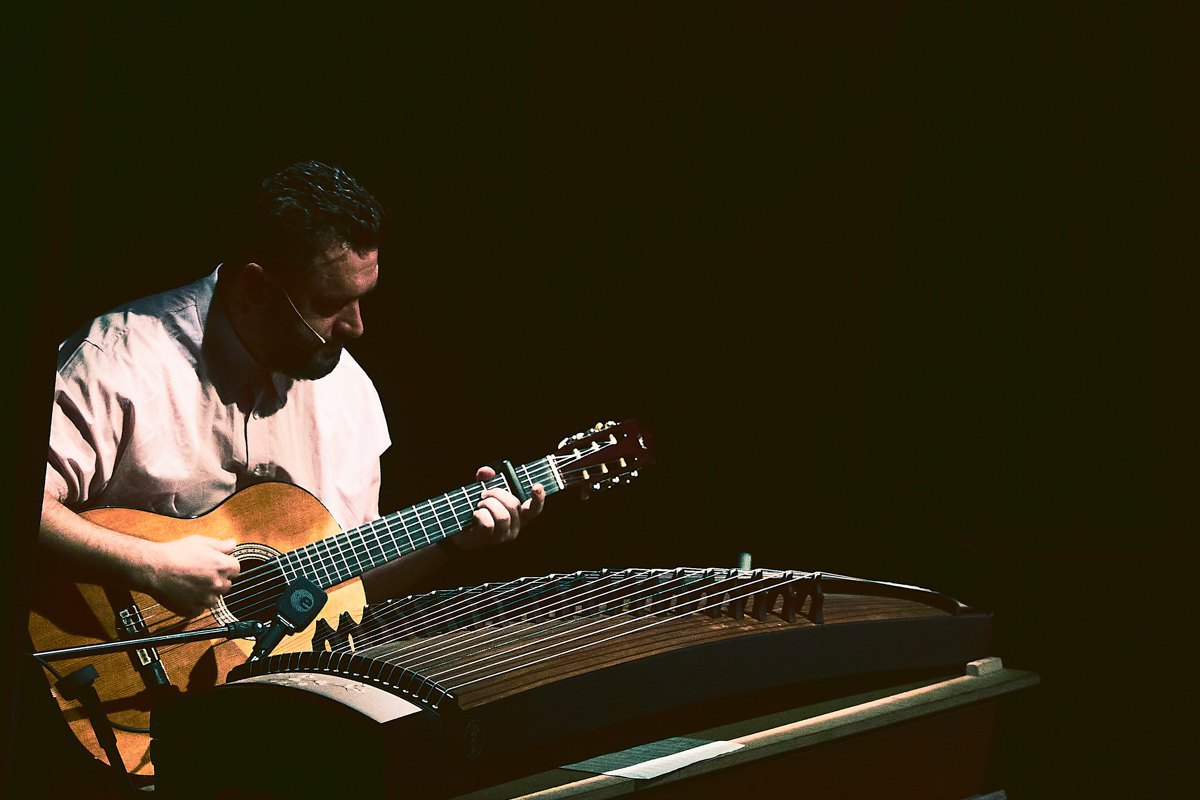
I invited them for several reasons. First and foremost, for artistic reasons: I see immense potential in what they do. All the performers and musicians are incredibly skilled and genre-fluid within the field of music. There is a fluid movement between experimental new music, contemporary classical, pop, metal, and Ukrainian folk. But they are also remarkably versatile in their performance skills: someone trained as a traditional opera singer can effortlessly shift into heavy metal or play drum and bass. I really appreciate that.
Content-wise, their work is always compelling because it is so eclectic. There are so many diverse references, and they are always surprising. When I watch an Opera Aperta performance, I never get bored. It’s always exciting. Yet beneath all that eclecticism, there is always a clear guiding concept.
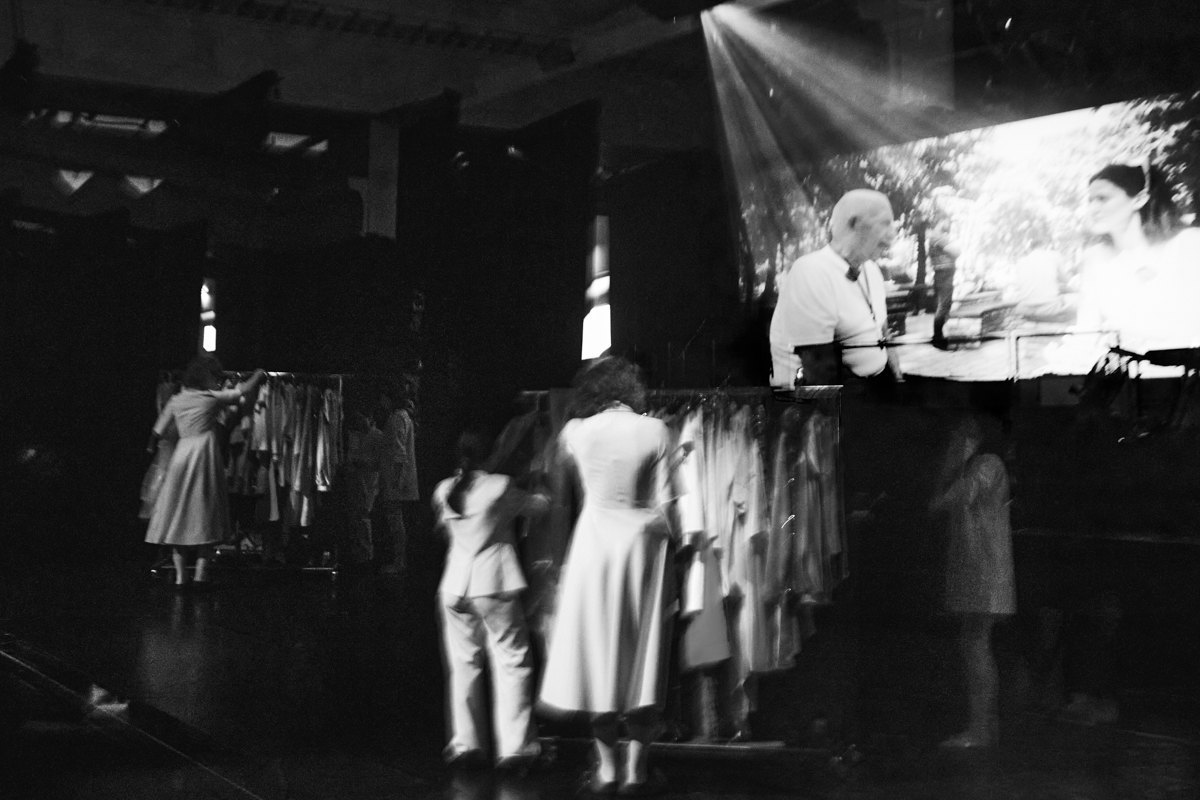
With VOX HUMANA, the concept is especially powerful. The title references singing for humanity in a time of war, but it also means giving voice to the people. They created a VOX POPULI element on the streets, gathering voices in Kyiv and Berlin as an introduction to the piece: what do people expect from Opera Aperta? What kind of opera should they create in Berlin?
There isn't a simplistic, linear storyline or a single rigid theme; there is a thematic trace explored across multiple layers. I love that approach because nobody is lecturing you. It’s not like politics or science where someone insists on an unambiguous message. It’s an artistic encounter: a theme with various layers that allows the audience to navigate the references themselves, where one person’s experience can be completely different from another’s.
Do you have expectations regarding how the audience will perceive it, knowing your house?
I honestly don’t know; I’m very curious. Some pieces here attract an older audience, while others draw a very young crowd. Since Opera Aperta is not yet widely known in the city, it’s hard to predict. In Berlin, it’s always challenging to build an audience for newcomers because there is so much competition across theatres, opera houses, and museums. Bringing people in is our task. What kind of audience will show up? We will see.
Opera houses worldwide frequently complain about an aging audience. Is that the case for you, given your focus on contemporary work?
Our audience isn’t as old as in traditional opera houses. We have productions that draw quite a young crowd, partly because tickets at Neuköllner Oper are more affordable, and partly because our programming is more contemporary and pop-oriented. We don’t stage La Traviata or Mozart; we simply don’t do that repertoire.
At the same time, I don’t fully understand the panic about audiences being "too old." Older audiences are a wonderful audience. Why should that be a problem? If that concerns an institution, they should rethink their programming. But I won’t fault an audience for getting older. They come, they are engaged, and that is great. Writing them off borders on ageism—the assumption that only young audiences have value isn't true. If older people want to come to an opera house, that's fantastic.
On a practical level, is it difficult to invite and work with a Ukrainian company?
In this specific case, it was complicated because it happened on very short notice—which was our responsibility. But I approached Opera Aperta precisely because I knew they could develop something exceptional in a short time. They are skilled, and they have that "rock and roll" energy.
There are very few artists or collectives where you can be confident of a compelling outcome under such tight deadlines. Even though it usually takes two years to develop a new work, I felt Opera Aperta could pull it off.
So the context was complicated, but that doesn't say anything specific about working with a Ukrainian music theatre group. Beyond the timeline, it is like any collaboration in music theatre: there are many challenges because many people and different approaches are involved. In some areas it aligns perfectly; in others, there are friction points and conflicts you have to work through. That is completely normal.
I wouldn't say this cooperation is more difficult than any other—not at all. It’s standard production work: if there is an issue with sound or with cleaning the stage, we resolve it. Furthermore, because I am new to the house, I am still learning its systems. Issues arise that I couldn’t anticipate simply because I’m still familiarizing myself with the venue, alongside the standard production hurdles.
What do you know about Ukrainian music theatre? Have you seen other productions?
Not very many, to be honest. Years ago, I remember a group related to Opera Aperta—Nova Opera—who won an award at Music Theatre NOW. I know their work, but beyond that, not much.
Your curatorial focus is very specifically on music theatre and opera, right?
Exactly. For me, it’s essential that the productions at Neuköllner Oper maintain a strong focus on music. Many theatres in town produce "theatre with music," but we shouldn't do that. We are an opera house—a non-traditional one, but an opera house nonetheless. We must focus as much on the music as we do on the theatre. Music has to sit at the absolute centre of every production.
What would you recommend to companies looking for international partnerships or invitations to premiere works abroad?
First: always stay true to your artistic vision and believe in your work. That conviction translates directly to the audience, to programmers, and to festival directors. That is very evident with Opera Aperta. The company booked across Europe because it has a distinct aesthetic language, and that comes from genuine belief in what they do. You can evolve your vision and aesthetic, but that core commitment must be there.
Second: networking. Opera Aperta is already very proactive in building connections. Debuting at Wiener Festwochen and having figures like Milo Rau want to collaborate with provides crucial institutional visibility.
I hope the run in Berlin attracts German professionals as well. There are several festivals in Germany that could be very interested.
Networking always helps, but only up to a certain point. If presenters feel an artist doesn't have a distinct voice or something substantial to say, networking won't carry them through. You need your own specific artistic language—something unique that convinces curators it will resonate with their audiences.
What is your perspective on German theatres resuming work with Russian artists, and how do you view the relationship between art and politics?
That is a difficult question. In general, my instinct is that we work with human beings regardless of nationality.
For instance, we did a production about Umm Kulthum, the iconic Egyptian singer. The team included people from various Arab countries, an Algerian composer, and an Israeli director, Sjaron. The current Israeli government is horrific, committing atrocities and killing people—yet that does not mean every Israeli individual is complicit in those actions. Sjaron left Israel two decades ago, lives in Amsterdam, and holds Dutch citizenship; linking him to Netanyahu’s autocratic, nationalist, and racist government would make no sense.
It is always complex. I believe people should stay in dialogue, but on that project, it was essential that every Arab collaborator consented to the setup. Some declined, which I fully respected; many others agreed.
Regarding programming, I would never present anything influenced or supported by the Russian government or Putin—that is completely out of the question.
As for Russian artists: we haven't invited any Russian companies here, primarily because I haven't found any whose work interested me artistically. That is always my starting point, just as it was with Opera Aperta. First and foremost, the work itself must be exceptional, and I haven't encountered that with a Russian ensemble so far.
I wouldn't make an absolute blanket statement that I would never under any circumstances work with an artist of Russian origin. There are dissidents who have spoken out critically against the regime for years and decades. As a German, taking an absolute stance would imply that figures like Thomas Mann or Arnold Schoenberg should never have been given a platform in exile. If there were a figure of Thomas Mann’s stance from Russia working in Berlin today, I would consider it. But right now, this remains a purely hypothetical question, as there are no such collaborations on our table.